
Last updated on February 24th, 2026 at 02:20 pm
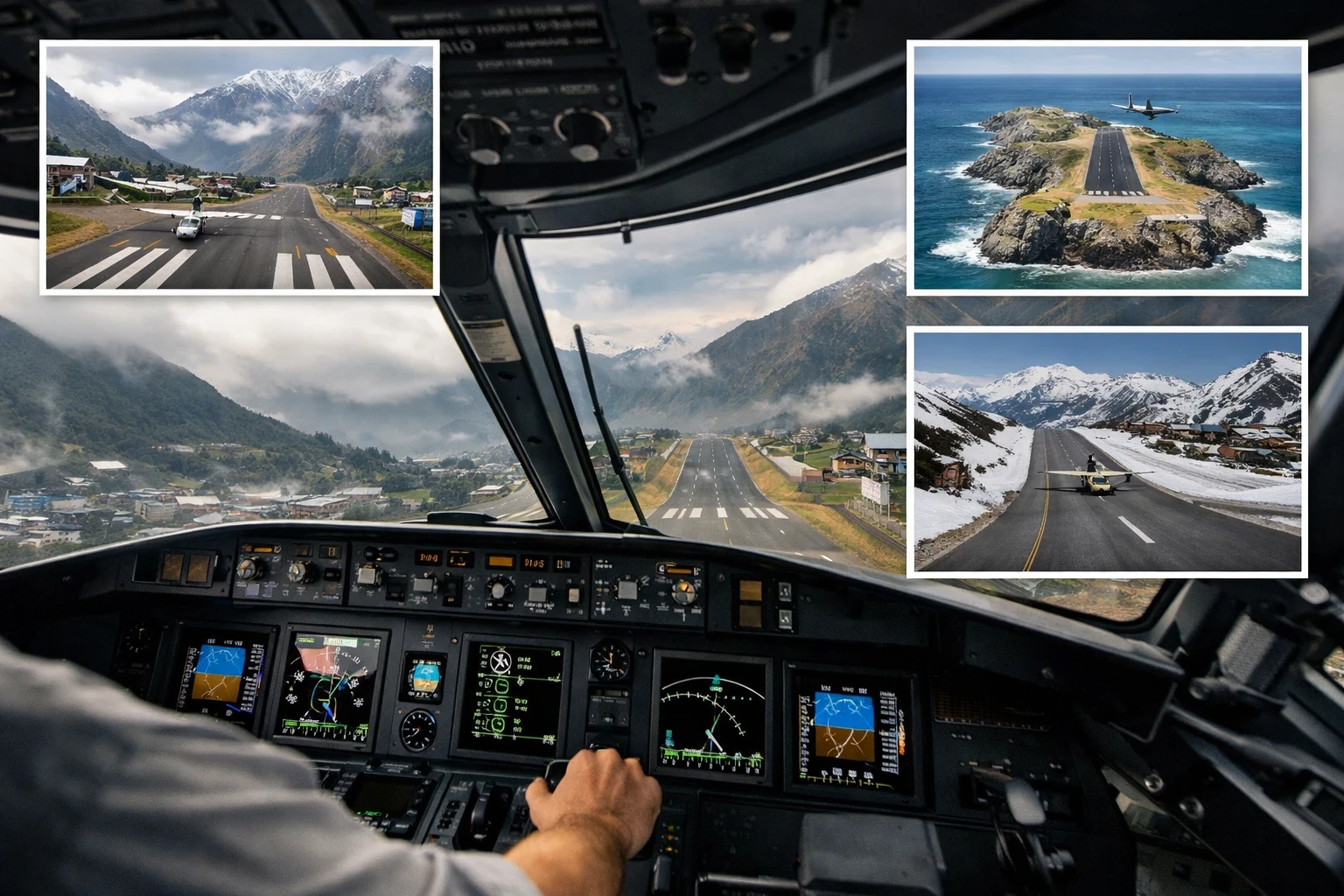
Uncommon airports add a kind of challenge that big, familiar hubs simply can’t replicate. They force you to slow down, hand-fly more, and really pay attention to your energy management and alignment. These places aren’t polished or forgiving—and that’s exactly what makes them so valuable. Based on real-world discussions among pilots about some of the world’s most challenging airports, difficult approaches test every aspect of your skills rather than relying on autopilot guidance.
When you finally nail a landing at one of these airports, the sense of achievement feels earned, not scripted.
Major airports have their place, but the real training value often comes from the lesser-known ones. These are the airports that don’t hand everything to you—no long, straight-in approaches or perfectly predictable setups. For refinement techniques and consistent improvement, see our guide on improving your landings in flight simulators.
According to aviation features on tricky runways, this unpredictability mirrors real pilot challenges where visual cues matter more and assistance systems may not be available.
You’re forced to stay engaged, manage the aircraft yourself, and think ahead instead of letting automation do the work. That’s where real skill-building starts.
This is for simmers who actually enjoy the learning curve.If you care about manual flying, precision, and understanding why a landing worked—or didn’t—these airports are worth your time. They push you out of your comfort zone and reward patience, practice, and discipline in a way few standard routes ever will.
Understanding the Challenge: What Makes an Airport ‘Difficult’?
Complex terrain, short runways, and tricky weather patterns are just a few ingredients that make an airport challenging in your flight simulator. These factors demand that you sharpen your skills and focus on precision. When you navigate airports tucked into mountainous areas or with short runways bordered by water, you need to be on top of your game. To build foundational skills like approach setup and control precision, you can also explore our beginner takeoff and landing confidence guide. To build foundational skills like approach setup and control precision, our beginner takeoff and landing confidence guide provides a solid starting point.
FAA approach guidance makes it clear that complexity in procedures and terrain avoidance adds significant challenge to an approach path.
Weather is always an unpredictable companion in flight simulation. Sudden gusts, fog, and low visibility can turn a routine approach into a nail-biting experience. Practicing at airports known for such conditions teaches you adaptability and quick decision-making—core skills any proficient simmer needs.
Big hubs like Heathrow or JFK have their own complexities but often follow established procedures and have robust systems to assist you. Uncommon airports, on the other hand, don’t offer such predictability. This lack of predictability provides fresh scenarios where you must manage everything from unexpected terrain to varying wind patterns just based on your skills.
These less-traveled spots often necessitate manual calculations for descent rates and landing speeds due to unusual approach paths or steep gradients. Getting it right means understanding how each element, like terrain or a sudden storm, affects your flight path and how to adjust on the fly.
Mastering the Approach: Visual Illusions & Terrain Effects
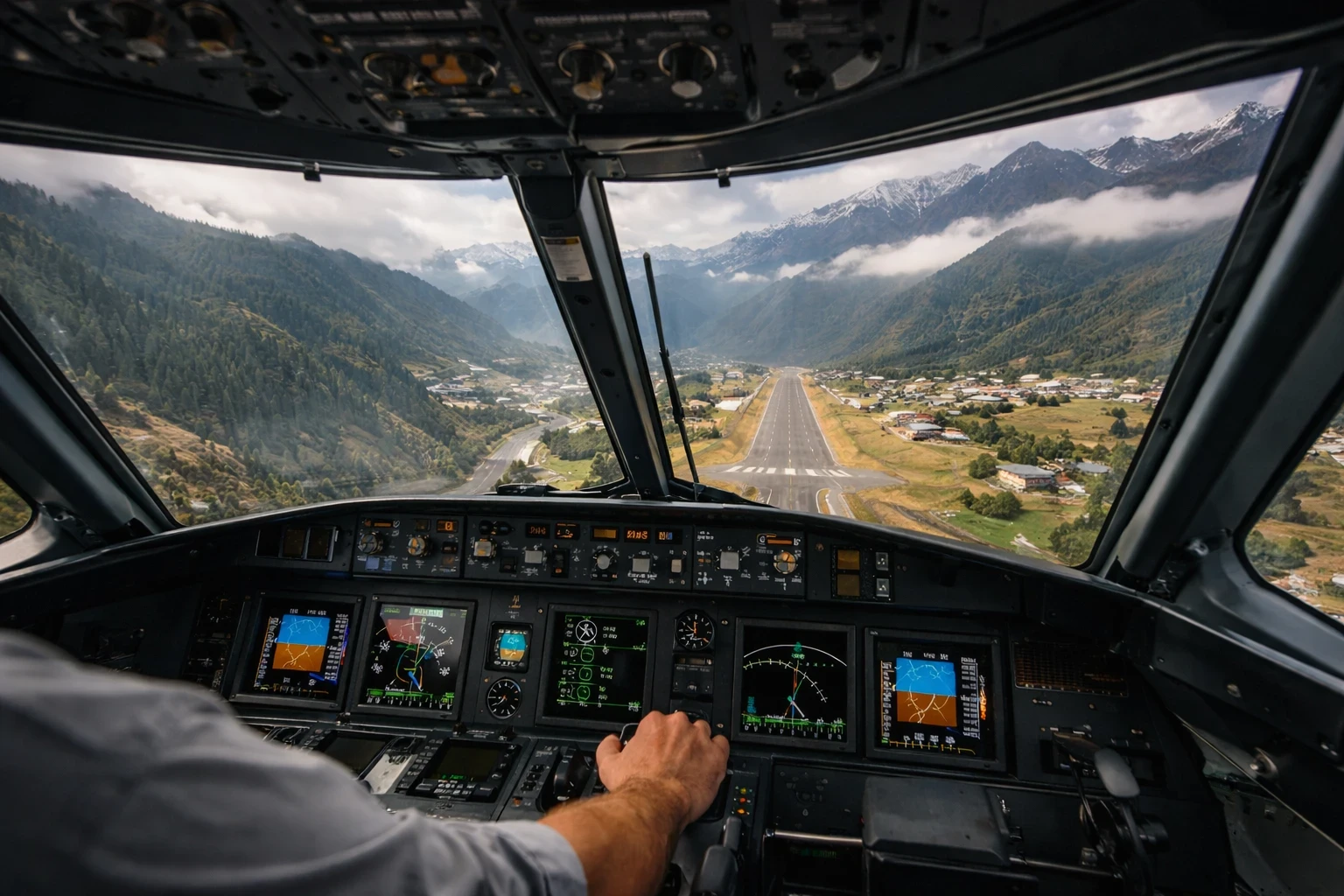
Airports tucked into valleys or built on sloped terrain are masters of visual deception. A runway might look longer than it really is, or the terrain can make you feel high when you’re not. Airport runway challenge guides consistently point out that terrain-induced visual illusions are a real factor in pilot workload during approach and landing.
Learning to recognize these illusions Learning to recognize these illusions—and not chase them—teaches you to trust your instruments and your approach setup instead of instinct alone.
Navigating these unique landscapes teaches you the importance of stabilized approaches and effective energy management. Focusing on your instruments while staying aware of your surroundings isn’t just a skill for simming—it’s a critical real-world piloting ability too.
Aircraft choice changes everything. A light GA aircraft might handle tight terrain well but gets tossed around easily by wind. Airliners, on the other hand, bring momentum and limited margins, making speed control critical. Turboprops sit right in the middle. Flying the same approach in different aircraft quickly shows you how technique—not just location—determines success.
Precision is your best ally here. Ensuring you’re lined up perfectly and maintaining correct speed means successful landings no matter which type of plane you’re simming with. Practicing these techniques over time will enhance your spatial awareness and improve your decision-making under pressure.
Braving the Elements: Navigating Weather & Terrain Constraints
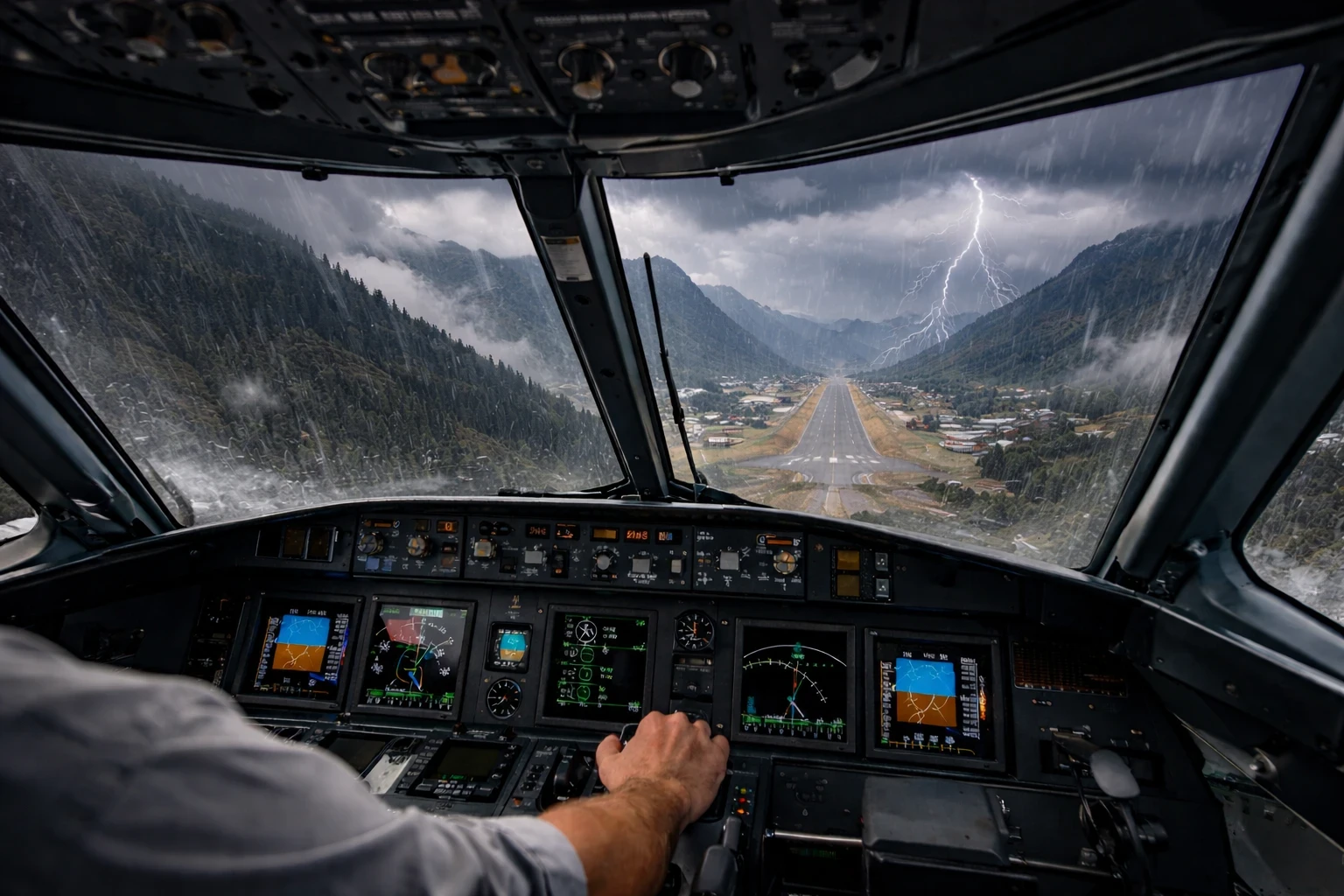
Unpredictable weather and tough terrain are double trouble at smaller or remote airports. When you’re facing crosswinds or rapid weather changes, standard autopilot features or ILS can be more hindrance than help. Terrain often blocks these signals, leaving you to rely heavily on your manual flying skills. On my experience, relying on manual flying versus ILS in such conditions mirrors actual challenges pilots face where terrain may block instrument signals as outlined in instrument landing system limitations.
This is where mastering hand-flying truly pays off. Reacting to sudden gusts or dodging unexpected obstacles requires a keen understanding of how weather dovetails with challenging landscapes. Learning how to handle these conditions builds resilience and sharpens your instinctive flying abilities.
High-quality terrain meshes can further amplify your simulation experience by making every contour and dip in the land count. These immersive environments encourage you to think on your feet, adjusting to each atmospheric whim and topographic challenge.
Consider storms that roll in swiftly, bringing with them low visibility and turbulence. Practicing in these conditions forces you to adapt your flying strategy, teaching you how to maintain control while adjusting your approach in real-time.
Such practice in demanding environments builds unparalleled proficiency. Turning off the automation and listening to the nuances of the weather enhances skills that are invaluable both in simulations and real-world flying. Embrace these elements, and you’ll find yourself a much more competent virtual pilot.
Building Competency: Unlocking Training Value of Uncommon Airports
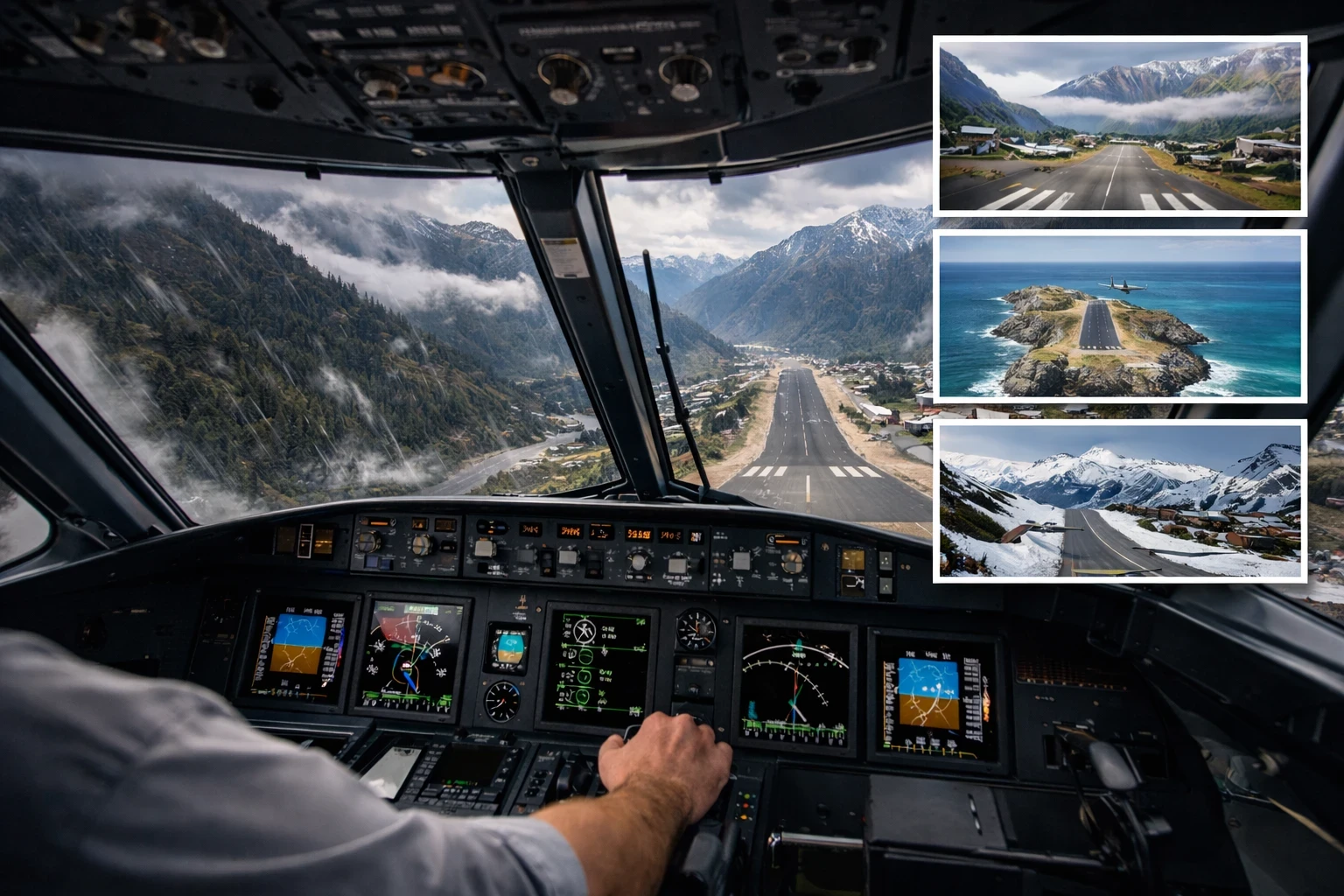
The true magic of simulating tough landings lies in the skills you develop through repetition. Practicing at these less conventional airports prepares you for advanced flying procedures. It’s more than just landing a plane—it’s about diving into a world that trains your reflexes and decision-making like no major hub can.
Uncommon destinations often reveal unique scenarios that force you to adapt your flying methods, from unexpected go-arounds to quick adjustments in your descent. By repeatedly tackling these challenges, you gain an intuitive sense for flight, honing your spatial awareness and ability to execute precise maneuvers.
Training rigorously in these environments strengthens your problem-solving abilities. You learn to anticipate the unexpected, handling surprises with a calm and calculated approach. These repeated practices aren’t just about overcoming difficulty—they’re about mastering control and finding confidence in complexity.
Think of each challenging approach as a stepping stone, building a robust foundation for tackling advanced procedures in both simulation and reality. Whether it’s negotiating tight turns or managing sudden altitude changes, you’re equipping yourself with skills that deepen your understanding of aviation.
Simmers who consistently practice at these airports tend to notice a real shift in their flying. Approaches become more stable, decision-making improves, and difficult situations feel manageable instead of chaotic. More importantly, flying stops feeling repetitive. Every session has purpose, and every landing teaches you something new.
Taking the Next Step in Your Flight Simulation Journey
Uncommon airports remind you that flight simulation isn’t just about getting from point A to point B—it’s about how you get there. These demanding locations strip away comfort and automation, forcing you to rely on judgment, precision, and hands-on flying. Over time, that challenge sharpens your skills and builds confidence in a way routine hub-to-hub flights rarely do.
If you’re serious about improving your landings, don’t just visit these airports once. Fly them repeatedly, experiment with different aircraft, introduce weather changes, and review what worked and what didn’t after each attempt. You’ll find more practical flight simulation guides and insights on FlightSimEssentials: 👉 https://flightsimessentials.com.
The next time you load up your simulator, step away from the familiar and choose an airport that demands more from you. Push your limits, stay disciplined, and let each difficult approach refine your technique. That’s where real progress—and the most rewarding moments in flight simulation—begin.