
Last updated on February 25th, 2026 at 09:00 am
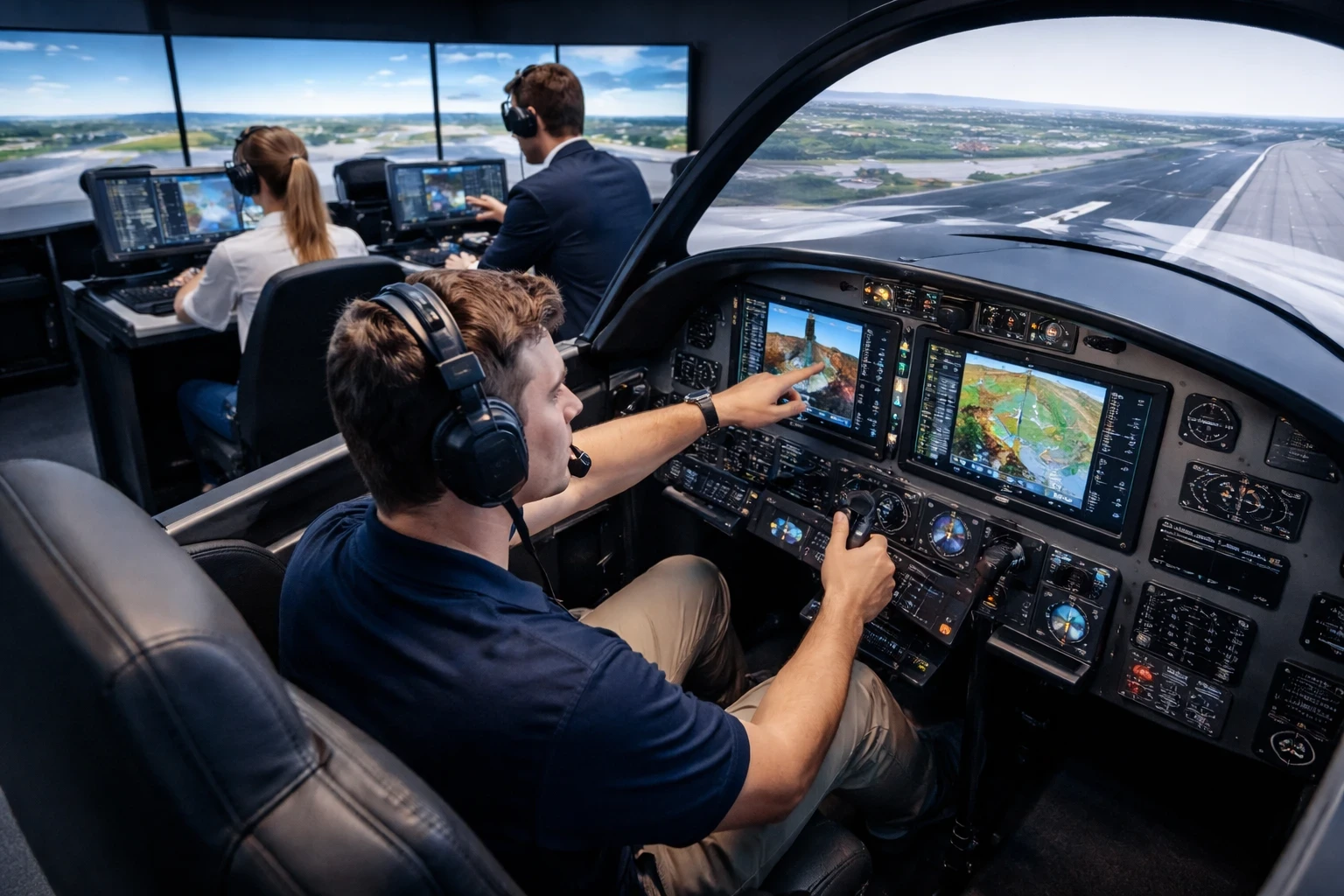
Flight simulation technology is like the magic wand for flight schools trying to keep costs down. Imagine being able to cut out fuel expenses and the usual wear-and-tear you get with traditional training. That’s a big win right there, not just for the schools but for budding pilots, too. ➡️ For anyone just starting out, simulators are often the best way to learn affordably. Read: Getting Started with Flight Simulation.
Think of all the insurance risks that pile up when you’re constantly in the air with rookie pilots. Simulation allows students to learn without having to worry about accidental bumps and scrapes happening to real aircraft. It’s all in a safe, controlled environment where mistakes don’t cost a dime in repairs or premiums.
Flying a real plane isn’t cheap—fuel, maintenance, and logistics eat up training budgets fast. Simulators flip the script. They keep overheads low and let schools stretch their resources further. For students, that means more time in the cockpit (virtual or not) without watching their wallets drain like an open fuel tank.
According to the FAA Aviation Instructor’s Handbook, reducing unnecessary training costs is a key strategy in optimizing flight school resources.
Using simulators also frees up instructors to be more flexible with their time. They can spend less time dealing with the logistics of scheduling real flights and focus more on teaching. This all adds up to more efficient training sessions and happier students who aren’t watching their bank accounts empty out as fast as a jet fuel tank.
Safety First: Mitigating Risks with Advanced Simulators
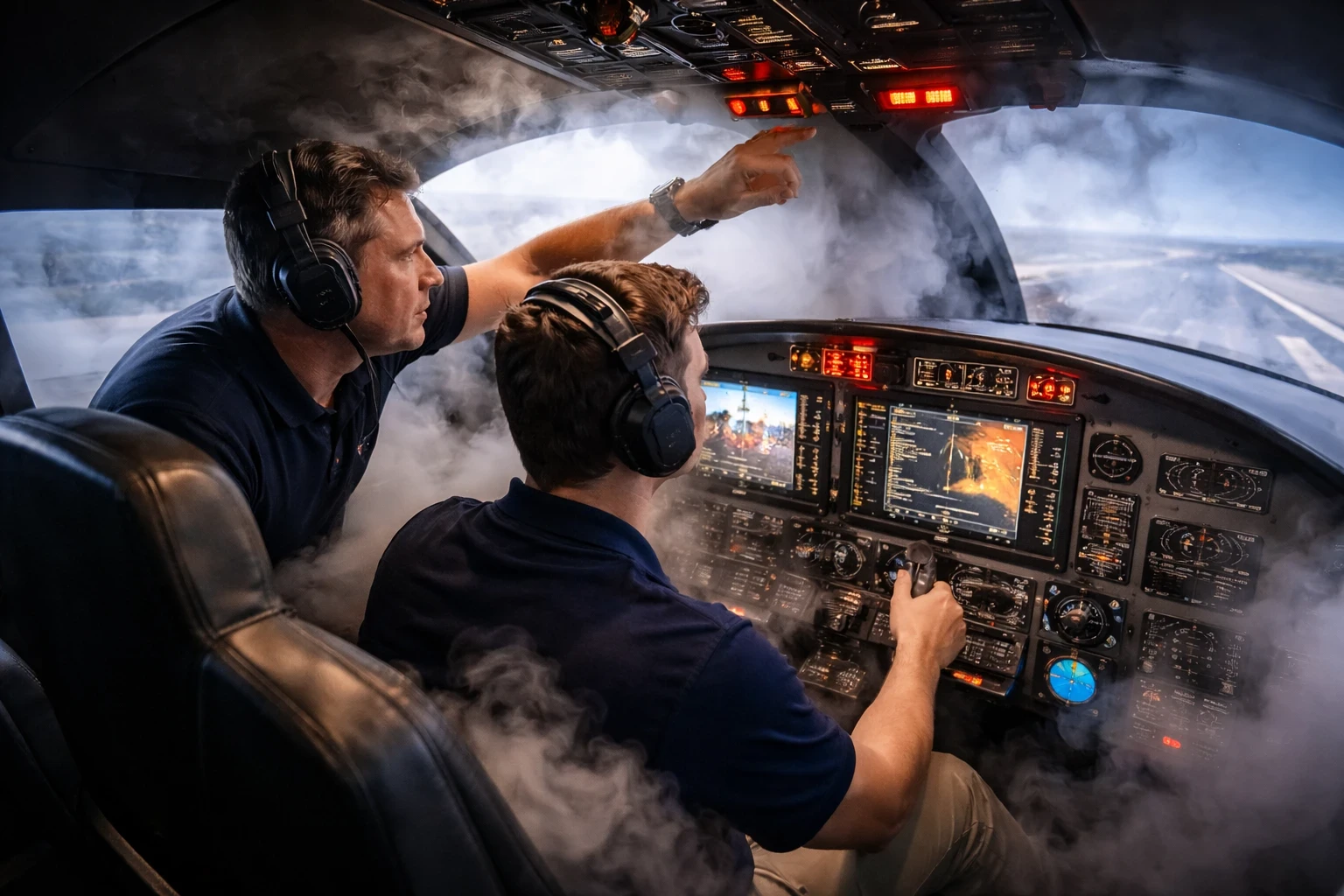
Safety is a top priority in aviation, and flight simulators have truly changed the game here. Imagine practicing complex maneuvers like stall recovery or executing crosswind landings without any fear of error causing a real incident. Simulators provide a completely risk-free zone where students can make mistakes—because let’s face it, that’s a crucial part of learning—without any real-world consequences.
When there’s no risk of damaging a real aircraft, students can truly focus on flying—not on worrying. That freedom lets them build confidence fast. They’re not distracted by ‘what ifs’ or sweating every switch. Instead, they’re free to learn, experiment, and sharpen their instincts where it counts.
Emergencies like engine failures can be terrifying, and while it’s critical to be prepared, practicing during actual flight comes with significant risks. Based on FAA simulator use guidelines in the Instrument Flying Handbook, simulators allow for safe and repeatable practice of critical emergency procedures.Simulators address this by letting students experience and troubleshoot these situations safely. This experience prepares them mentally and physically, so when they’re up there, miles high, dealing with an issue, it’s nothing they haven’t already mastered in a zero-stakes environment.
With each session, students gain hands-on experience that prepares them for those ‘what if’ scenarios. Instructors can easily jump in, provide targeted instructions, and correct procedures in real-time. ➡️ This kind of immersive training pairs perfectly with a good flight yoke or HOTAS setup. Check out: Best Joysticks for Realistic Flight Experience. Pilots who step into real aircraft are not only technically proficient but also much more adept at navigating unexpected challenges.
Beyond Limitations: Consistent Training in Any Weather
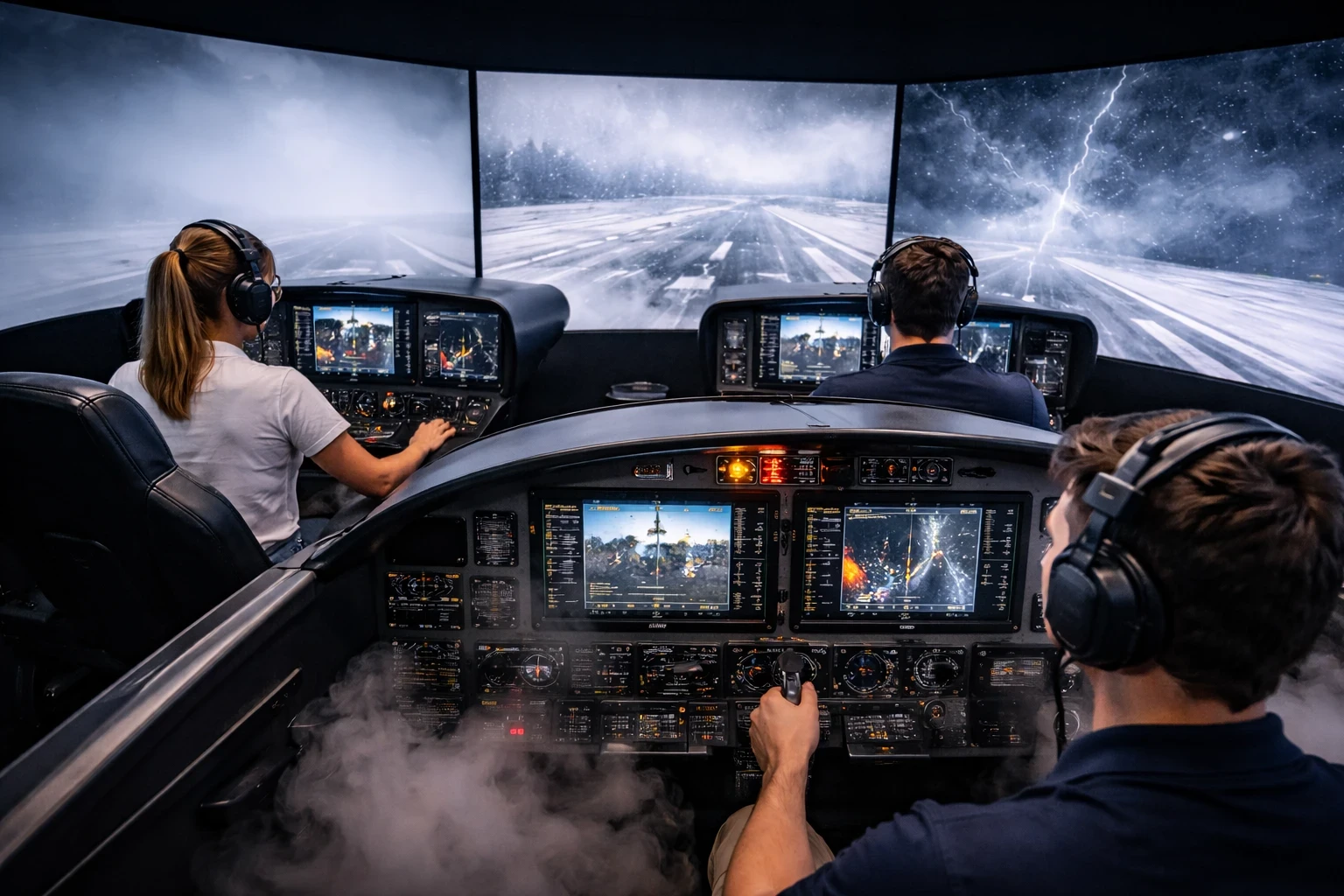
Mother Nature might ground a real flight, but she’s got no say in the sim. Storms, fog, crosswinds? Bring it on. Simulators let students fly through it all, day or night, building real-world readiness in an environment that’s always open for business.
This flexibility is a massive advantage for both schools and students. No one likes having their schedule thrown off by unpredictable weather patterns. With the versatility of simulators, flight schools can maintain a steady flow of training sessions without having to pause for Mother Nature.
Training whenever the mood strikes—not dictated by sunlight or storms—helps students retain information and skills better. They aren’t waiting days or even weeks for the sky to clear, so there’s less chance of forgetting crucial procedures or maneuvers.
The ability to practice during night-time or simulate different seasons is another biggie. The FAA Weather Handbook, highlights how important it is for pilots to train in variable conditions—something simulators handle with ease.Students get a holistic experience that prepares them for the variety of situations they’ll face once they’re scaling the skies in real aircraft.
Instructors are able to tailor sessions to focus on particular skills, taking advantage of the infinite conditions simulators can replicate. Whether it’s practicing landings in windy conditions or navigating through a blizzard, this adaptability gives students comprehensive training that’s as close to reality as one can get. ➡️ If you’re setting up a sim at home, consider building it to match real IFR or weather training use cases. Read: Building a DIY Home Cockpit.
Crafting Skilled Aviators: Real-World Scenarios and Seamless Repetition
When it comes to mastering the art of flying, practice isn’t just important—it’s everything. The beauty of simulators is that they allow students to repeat complex maneuvers as much as they need until they nail it down to perfection.
Imagine you’re trying to perfect those trickier maneuvers like tight turns or emergency landings. In a simulator, it’s no problem if you don’t get it on the first try. You can hit reset and go again until it’s second nature. This builds muscle memory and helps quicken decision-making, framing the student as a pilot who feels like they’ve been there, done that, in any situation.
Incorporating realistic scenarios keeps students on their toes. From system failures to miscommunications with air traffic control, simulators prepare them for real-life situations that require calm and collected improvisation. This kind of targeted practice lets students sharpen their judgment and critical thinking skills.
Confidence comes from doing—not guessing. Simulators crank up the pressure without the risk, so when something goes wrong mid-flight, students don’t freeze up. They’ve already seen it, drilled it, and know exactly how to respond.
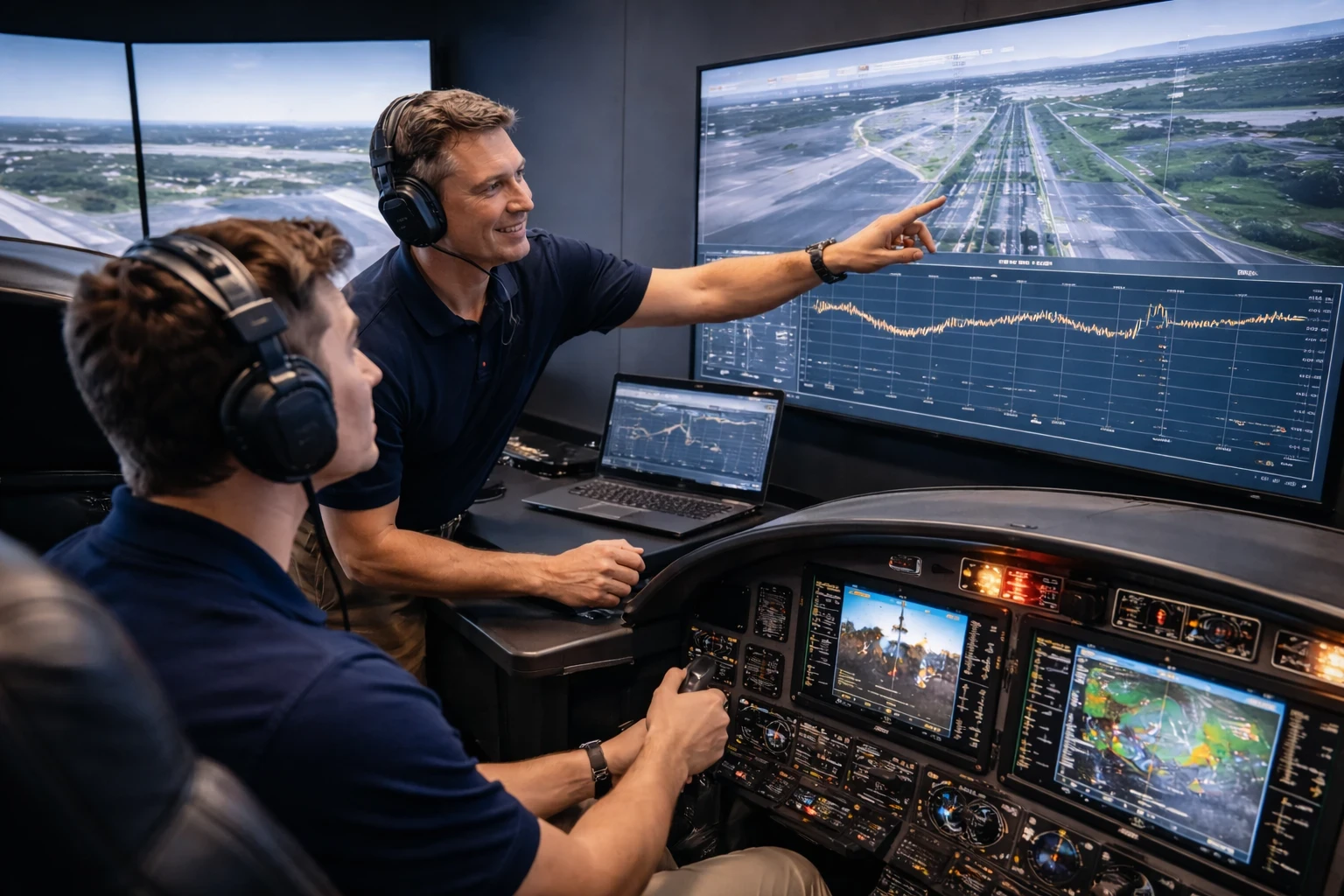
Schools benefit from this approach, too, providing a standard training experience where students are uniformly prepared by the time real flights begin. Plus, by incorporating data from these sessions, instructors can offer insightful feedback, pinpointing areas for improvement or techniques that need more work.
Realistic Training and Positive Outcomes: Enhancing Learning with Data
Simulators don’t just focus on the flying part—they’re all about creating a well-rounded pilot. Logging training hours on these devices isn’t just a convenience, it’s a path to getting licenses like Instrument Rating or CPL faster. According to the FAA Advisory Circular on Training Devices, approved flight simulation devices can be credited toward license requirements. It’s a huge boost for anyone eager to get those wings without breaking the bank.
Think of simulators as high-tech replicas of aircraft cockpits. Students become familiar with the intricate details of avionics like glass cockpits and autopilot systems in a stress-free setting. By the time they’re in a real plane, all those buttons and screens are just what they’ve been handling all along—no overwhelming surprises.
Here’s where the sim really earns its stripes: playback and debriefs. Every click, every correction—it’s all there. Instructors can rewind a session like game film and help students zero in on what needs work, and what they’re crushing already.
Consistency is a big plus in standardized training. With the same reliable aircraft models and training conditions replicated time and again, students experience uniform learning. Schools find this particularly valuable in maintaining high training standards across the board, ensuring all students receive balanced and comprehensive education tailored to real-world aviation demands. ➡️ This is especially useful for flight sim enthusiasts transitioning to professional training. Learn More: Aligning Sim Training With Aviation Regulations.
🧭 Ready for Takeoff? Simulators Make It Possible
Flight simulation technology is no longer just a training shortcut — it’s a powerhouse tool for building confident, capable pilots in a smarter, safer, and more affordable way. Whether you’re running a flight school, building a home setup, or planning to start your aviation journey, simulation gives you the flexibility and realism you need to succeed.
✈️ Want to get more out of your simulator setup?
Explore our guides on hardware picks, cockpit builds, and training workflows to level up your sim experience.
👉 Visit Flight Sim Essentials for expert tips and training tools.