
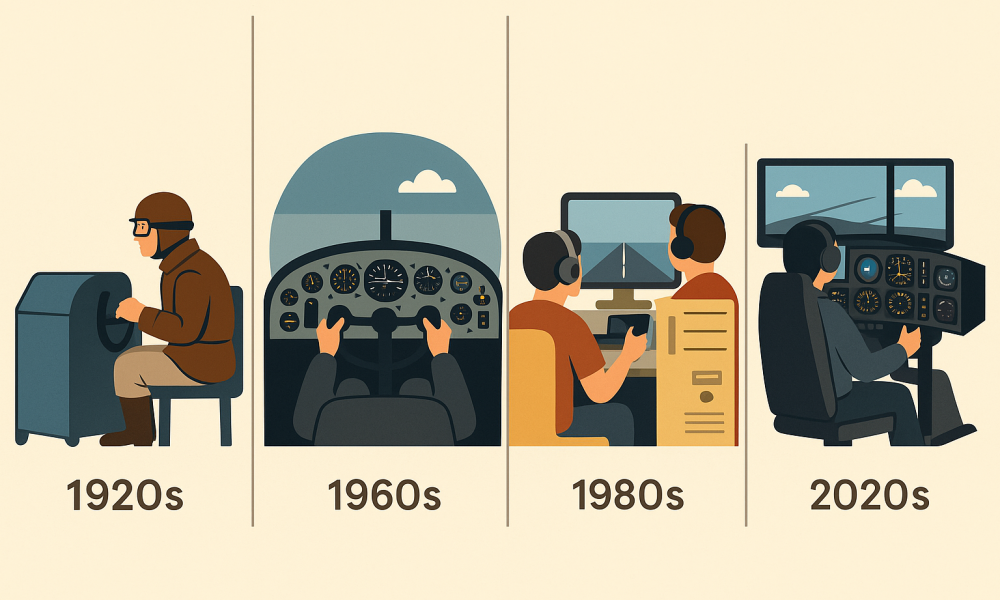
Way back in the era of World War II, the Link Trainer took center stage in transforming pilot training. Known as the Blue Box, it was this mechanical marvel that steered pilots through a simulated cockpit experience. Who would’ve thought that this boxy setup would be a game-changer in aviation? It taught thousands of pilots the ropes without ever leaving the ground.
The 1940s and 50s saw these mechanical simulators thriving as the backbone of flight training. They weren’t digital powerhouses, but they did their job with pure analog prowess. This was the era when balancing cost and effectiveness was key, and these simulators nailed it. They offered an early peek into what flight simulations could achieve.
Those early wartime breakthroughs didn’t just train pilots—they lit the fuse for everything that followed. Each step forward in sim tech built on the last, shaping the path from mechanical boxes to digital skies. It’s a story of constant evolution, decade after decade.
If you’re thinking of getting into flight simming today or just fascinated by aviation history, appreciating how much tech has advanced starts here. From cranking mechanical gears to digital dreams, this journey is nothing short of impressive.
From Operators to Gamers: The Digital Leap Forward
Once the 1960s rolled around, the flight simulation world saw a digital boom. Mainframe simulators started making their mark, especially for airlines and military need. These big machines became the backbone of serious training exercises, boosting precision and functionality for pilots. It wasn’t just another tool; it heralded the computer age for simulators.
In 1979, SubLOGIC Flight Simulator brought aviation into the living room. Suddenly, you didn’t need a hangar or a cockpit—you just needed a home computer. It was a major leap toward making flight simming something anyone could enjoy, not just airline pros or cadets.
As the excitement grew, Microsoft released Flight Simulator 1.0 in 1982. This was more than a niche interest; it bridged the gap between professionals and hobbyists. With each update, Microsoft continued to up the ante, focusing on graphics and realism, gradually turning flight simming into a mainstream hobby.
Thanks to these milestones, simulators evolved from clunky training tools into immersive experiences you could enjoy at home. Today’s sleek setups owe a lot to those early digital breakthroughs—every button press and pixel-perfect landing has history behind it.
Recognizing this era’s shifts can guide your understanding of how technology and accessibility reshaped flight simming, making it an engaging world for tech nuts and aviation enthusiasts alike.
The Technological Evolution: A Decade of Innovations
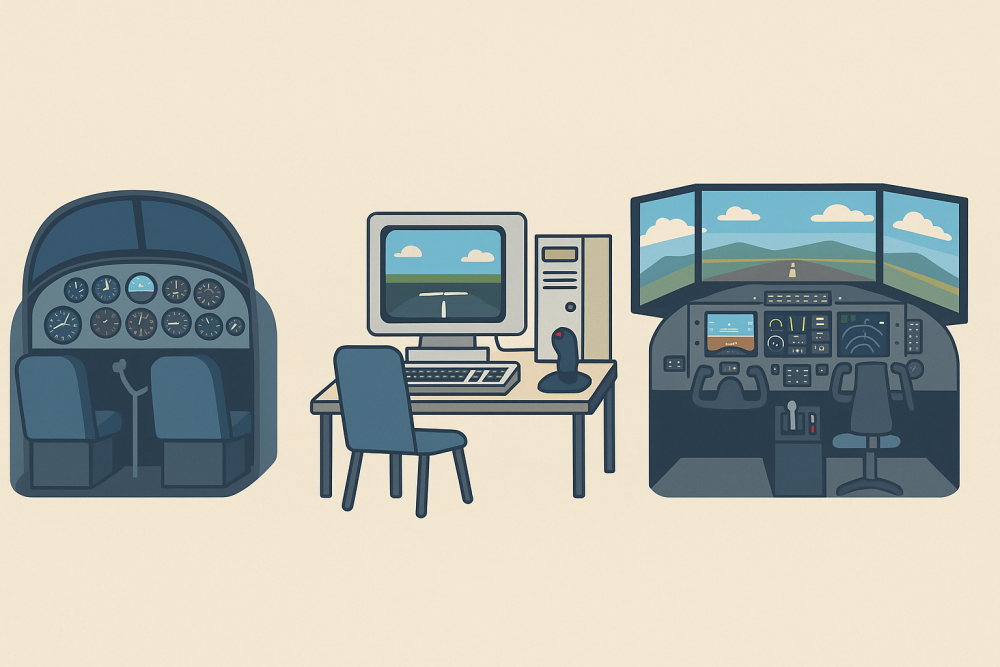
In the 1990s, flight simulators took another giant step, enriching virtual skies with more realistic features. This was the decade where graphics started getting real with terrain textures, real airports, and GPS integrations. It was like the simulators got an aesthetic makeover, bringing a new level of immersion for both casual pilots and serious followers.
Then came 2006, and with it, the marvel named FSX Microsoft Flight Simulator X. Imagine dynamic weather, AI traffic, and rich modding opportunities all packed into one package. Suddenly, players weren’t just flying planes— they were navigating through turbulent skies and tinkering with mods to create their own perfect aerodynamics.
As flight sims entered the 2010s, the scene got even richer with X-Plane stepping into the limelight. Featuring study-level aircraft, it appealed to the true aviation nerds who craved realism down to the last flap extension. It was all about crafting an experience that mimicked the real thing as closely as possible. This shift wasn’t just technological but also cultural, turning simming into a serious pursuit for many.
If you’re exploring flight simulators today, consider diving into the modules that emerged from these innovations. They offer a great mix of realism and complexity, perfect for anyone looking to experience more than just digital flying. Each development has added layers of authenticity that make today’s simulators incredibly rich and rewarding.
Into the Modern Era: Flight Simulation Redefined
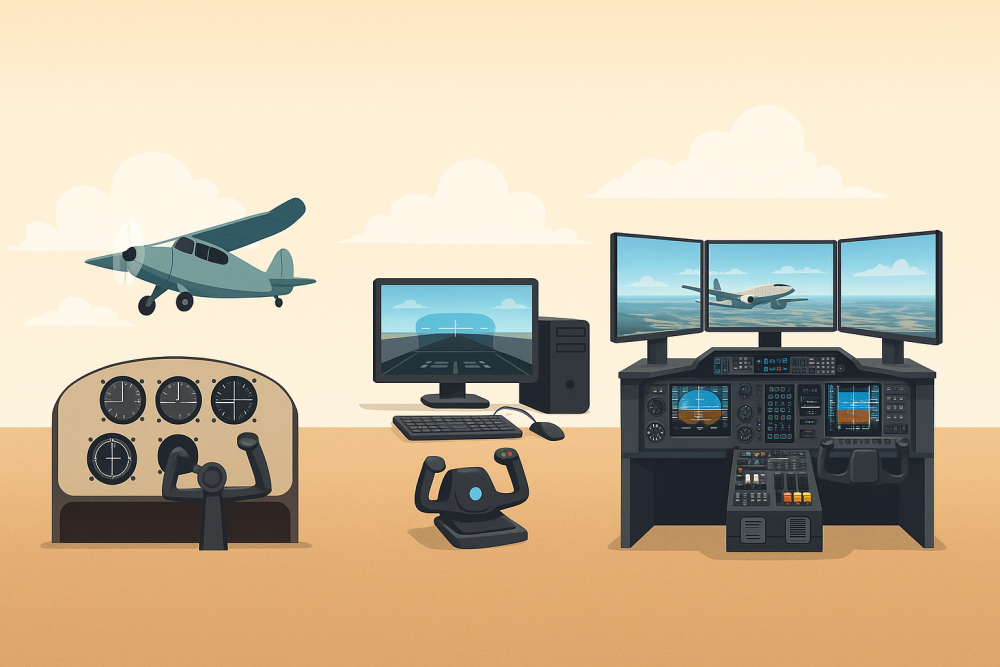
The release of Microsoft Flight Simulator 2020 was like opening a new chapter in the world of flight simulation. This wasn’t just another update; it was a complete overhaul. With its integration of Bing Maps data, real-world weather systems, and photogrammetry, MSFS 2020 set a new standard for realism that players hadn’t seen before.Flying over your own neighborhood and spotting your house with crystal clarity? That’s the kind of realism MSFS 2020 delivered—and it still stuns newcomers and veterans alike.
Following quickly on that wave, MSFS 2024 aims to step up the game even more. Incorporating career modes and advanced physics, it targets those who are keen on a more interactive experience. This is perfect if you’re the kind of simmer who loves building a career from scratch, climbing from trainee to captain.
What really sets today’s sims apart is how seamlessly they blend the real and virtual worlds. It’s no longer just about nailing a landing—it’s about flying through dynamic weather, hearing real-time ATC, and feeling like you’re part of a living, breathing sky.
Being part of today’s flight sim community means diving into these revolutionary experiences and pushing the envelope on redefined realism. Whether you’re snagging live ATC chatter or battling sudden weather changes, the thrill of realism holds a new-age appeal. Embrace each detail, and fly knowing you’re part of an ever-evolving narrative.
Sky’s the Limit: The Future of Flight Simulation Technology
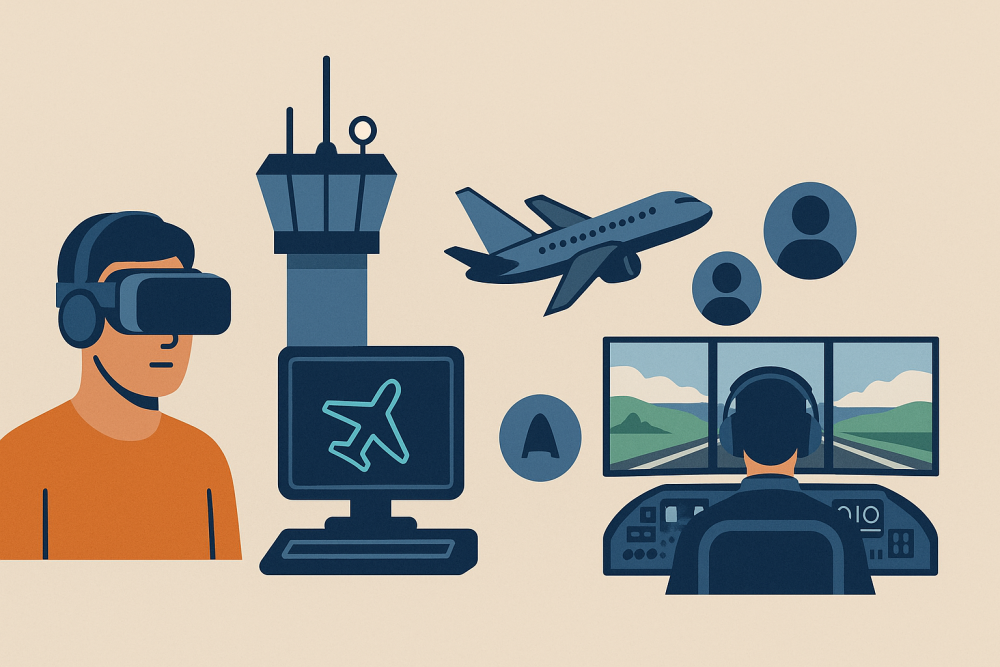
Looking ahead, the future of flight simulation is gleaming with possibilities. Virtual Reality Headsets in flight sim is set to redefine immersion by placing simmers right in the cockpit. Imagine turning your head to look out the window and seeing clouds drift by just like in real life—it’s the dream scenario for anyone looking to experience flight firsthand.
Artificial Intelligence is also making waves, especially in the realm of Air Traffic Control. An AI-powered ATC can provide more dynamic and responsive interactions, making flights feel more realistic than ever before. As AI gets smarter, we can look forward to more seamless, life-like experiences.
Multiplayer realism is another frontier that’s rapidly expanding. Real-time collaboration with other players adds a communal element that mimics real-world flying scenarios—like coordinating take-offs and landings at busy airports with your friends or fellow simmers.
The fusion of real-world elements with sim technology will continue to push the envelope. Integration of live traffic data, real-time weather updates, and expansive multiplayer worlds promise an experience that’s as close as possible to real-world flying without leaving the comfort of home.
For anyone diving into flight simulation now or in the future, these trends promise a thrilling and enriching journey. Keeping an eye on these developments will help you stay at the forefront of this evolving digital pastime, ensuring you experience the pinnacle of realism at every altitude!
Ready to join the next chapter of virtual aviation?
Explore Flight Sim Essentials for guides, gear, and tools to elevate your sim experience—whether you’re a beginner or a seasoned digital pilot.