

Exotic locations in flight simulation aren’t just about jaw-dropping visuals. Sure, the lush jungles of the Amazon or the endless sands of the Sahara look stunning on screen, but it’s the terrain, weather, and operational challenges that really crank up the authenticity. Imagine navigating the unpredictable winds of mountain ranges or the scorching heat of desert crossings. That’s where the real challenge begins. If you enjoy navigating real-world route environments, you may also like Exploring the World’s Iconic Aviation Routes on Flight Sim Essentials.
What’s ‘exotic’ in sim terms? It’s spots that push your skills to the limit. We’re talking diverse terrains—think steep peaks or remote islands—that demand more than a standard takeoff or landing. Consider the terrain-induced wind shear or sudden changes in visibility. Each twist in these simulations prepares you for the complexities real-world pilots face.
Take the Himalayas, for example. Approaching Lukla (VNLK) or Paro (VQPR) shows why exotic locations require a different mindset. Lukla’s sloped runway forces you to commit early, and terrain-channelled winds keep you focused from start to finish. Paro requires a controlled descent through narrow valleys, where timing and energy management matter more than anything on a modern display. These locations highlight how terrain—not just scenery—shapes the entire flight. Or maybe tackling a tiny island runway where the ocean lays bare on both sides, offering no forgiveness for missed judgments. These aren’t just flights; they’re adventures that tie you into a pilot’s mindset, honing decision-making as you tackle operational hurdles straight from a real pilot’s logbook.
With flight simulators like Microsoft Flight Simulator or X-Plane, you can bring these exotic locations to life. They allow settings that emphasize terrain effects and make those rare endless skies and twisting mountain paths genuinely challenging. That’s what ups the realism—and your skillset.
So, dive into these exotic scenarios with an eye on more than just pretty landscapes. Embrace the operational prowess required to navigate these wild frontiers. Each simulated flight won’t just showcase a new location, but a new opportunity to refine your flying finesse.
Mastering the Elements: Weather Effects in Exotic Locations
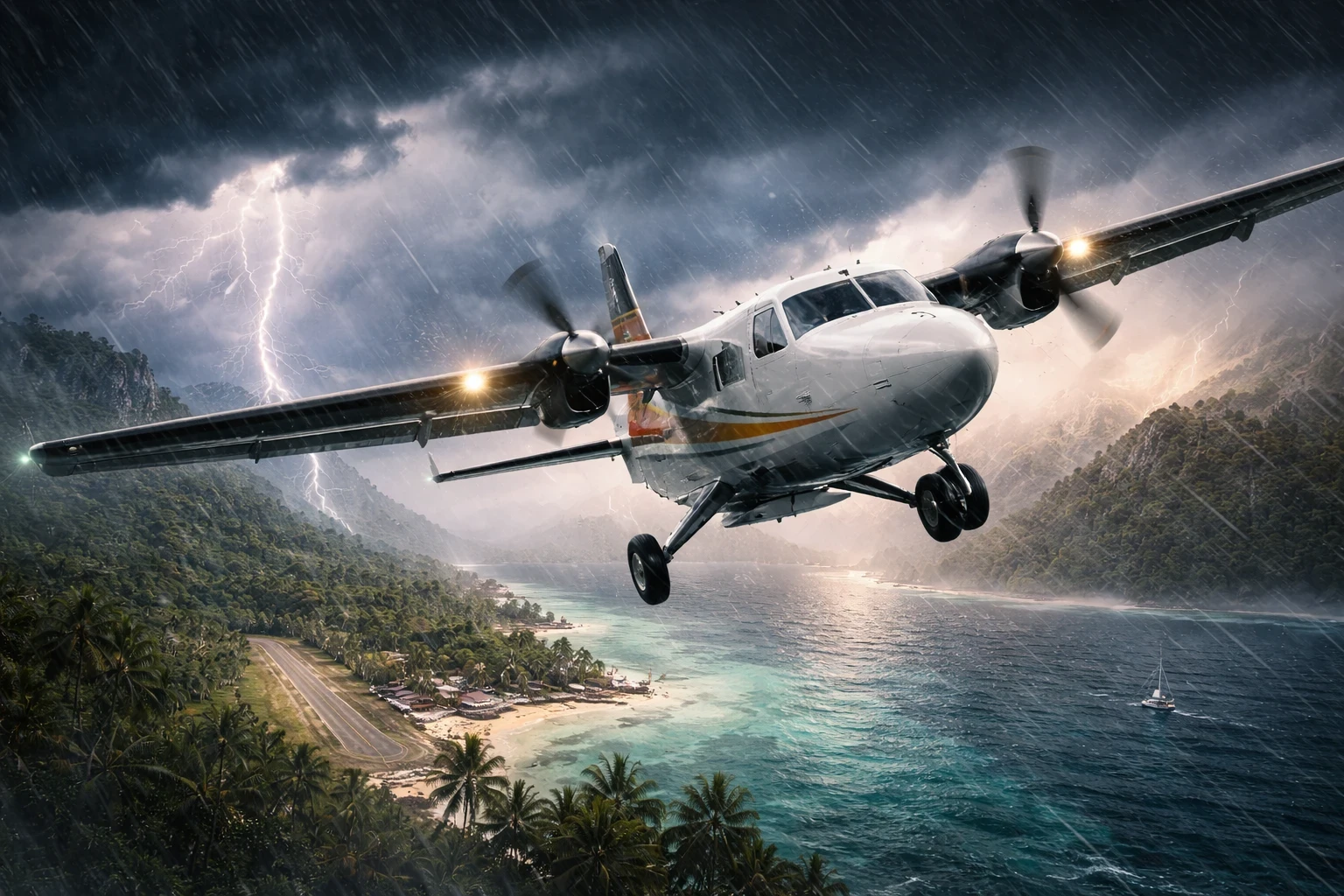
Landing that perfect flight isn’t just about mastering the aircraft—weather plays a wild card, especially in exotic locales. Those regions tend to pack every weather trick in the book. Imagine reenacting a monsoon as it lashes against your cockpit windows or feeling the fierce gusts of desert winds trying to wrestle your plane from its path. It’s a balancing act that’s as immersive as it is challenging.
Getting to grips with weather patterns like monsoons or trade winds adds layers of realism you may not encounter flying above your usual expressway of clouds. With the right simulator settings, these elements turn routine flights into gripping narratives. Crank up the turbulence or dial in sudden temperature drops to experience how seasoned pilots face harsh climates head-on.
Monsoon regions influenced by the Intertropical Convergence Zone (ITCZ) create some of the most useful weather scenarios to practice. Flying near Bangkok (VTBS) or across the Bay of Bengal can introduce wind shear, microbursts, and major visibility swings that challenge your control and workload management. Desert environments offer an entirely different lesson—harmattan winds across North Africa reduce visibility and add fine dust that affects lift and engine performance, especially in turboprops like the Cessna Caravan. If you’re interested in pushing weather realism even further, see Creating Custom Weather Scenarios for Challenges on Flight Sim Essentials. These conditions help build real handling discipline inside the sim. Then there’s the relentless heat in desert expanses that mimics aircraft structural stress tests, impacting lift and engine cooling efficiency.
Simulate these scenarios by exploring tools within Microsoft Flight Simulator or X-Plane that enable dynamic weather effects. By cranking the realism setting, you draft a rawscript that mirrors Mother Nature’s mood swings, pushing your flight adaptability to the forefront.
Weather-related challenges aren’t just hurdles; they’re learning curves. Facing these with a plan enriches your virtual pilot portfolio, raising your comfort level from flying in blue skies to navigating the gray areas—both literally and figuratively.
Aircraft Choices for Diverse Terrain and Climate
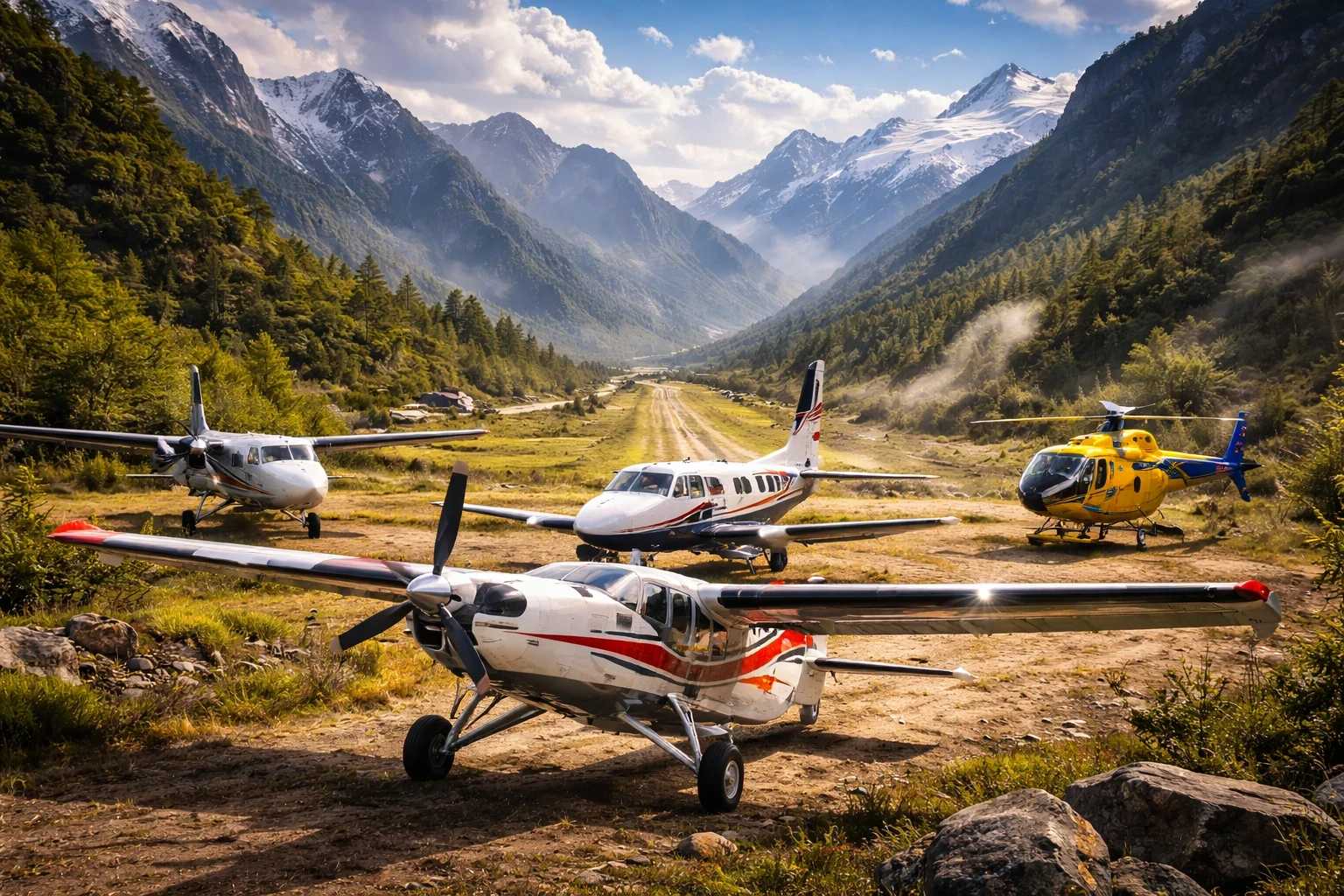
When diving into those exotic fronts, picking the right aircraft can make or break your experience. Imagine trying to navigate rugged terrain or breezy island touches in a jumbo jet—not exactly a recipe for success, right? That’s where the right machine for the right landscape comes into play.
STOL aircraft such as the Pilatus PC-6 Porter, DHC-6 Twin Otter, and Kodiak 100 are ideal for confined strips like Saba (SAB)or remote Papua New Guinea airfields. Their performance margins matter when runway length and terrain leave no room for improvisation. Turboprops including the King Air 350i and ATR 42 handle high-elevation operations at places like Tabubil (AYTB) with more reliability, thanks to their strong climb performance in thin air. Helicopters such as the Airbus H125 expand your options further, allowing you to reach areas where fixed-wing aircraft simply cannot operate.
Turboprops get a ton of love for their reliability and all-around adaptability. Whether you’re crossing sandy stretches or ascending icy altitudes, these workhorses adjust to varying climates without breaking a sweat. In simulations, they represent a sweet spot between speed and nimbleness—a must-have for more thrilling expeditions.
How about trying helicopters in tight spots or atop mesas where fixed-wings can’t venture? Their vertical takeoff and landing capability opens routes that challenge daredevils, especially in landscapes that don’t welcome runways.
Light jets also find their niche in the exotic scene, particularly where you crave speed but with a dash of exclusivity. Scaling across the jungles or sprinting over savannahs, they provide that slick, high-altitude dash that adds spice to your virtual pilot adventures.
Remember, it’s not just the flight path that’s vital here; it’s ensuring the aircraft matches the operational demands of the locale. Your simulator gives you the chance to test these birds’ limits under conditions as diverse as the destinations themselves, perfecting your selections flight by flight. If you enjoy pairing aircraft choices with traditional navigation skills, explore Precision Navigation: Mastering VOR and NDB.
Trouble on Scrappy Runways: Approach and Departure Challenges
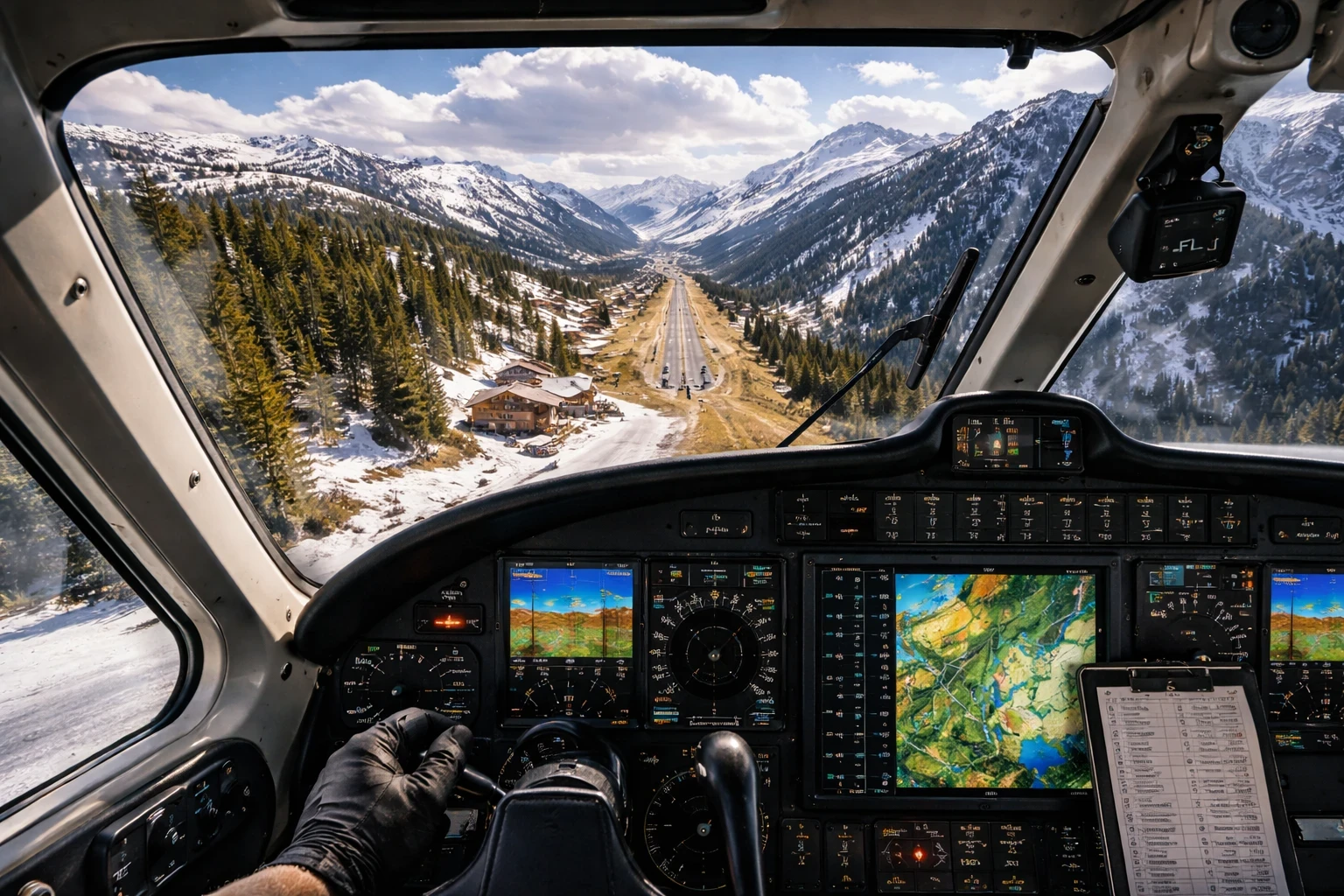
Short and terrain-restricted runways highlight why proper approach planning matters. These environments force you to manage energy, terrain clearance, and commitment levels more precisely than standard airports. Whether you’re flying into alpine valleys, coastal islands, or rugged backcountry strips, each location introduces variables that sharpen your handling and decision-making skills inside the simulator.
- Courchevel (LFLJ): The steep uphill runway removes the option for a go-around, requiring early commitment and precise speed management.
- Madeira (LPMA): Curved approaches and shifting Atlantic winds demand early stabilization and smooth energy control throughout the final turn.
- Telluride (KTEX): High elevation introduces density-altitude challenges, affecting lift, climb performance, and landing timing.
- Backwoods Gravel Strips:Uneven surfaces and confined layouts require careful power management and accurate touchdown points.
- Beach Landings:Soft surfaces and variable winds make approach angle, flare timing, and rollout planning especially important.
First off, runway length is king. It’s not enough to just have an eye on the approach map; you got to consider the potential runway overrun zones (or lack thereof) and adjust your aircraft load and speed accordingly. Short runways mean making every foot count, so your approach has to be spot-on—no second chances when sand or snow waits beyond the tarmac’s edge.
Elevation adds another layer of complexity. A high-altitude strip might look like a breeze on paper, but thinner air can hamper engine performance and lift. That calls for precise speed management, and sometimes you’ll need a steeper approach angle than you’d traditionally use. It’s all about balancing thrust with glide without breaking into a sweat—or worse, stalling.
Then there’s the challenge of terrain. Hills, thick forests, or choppy coastlines surround many of these exotic spots, and they’re not shy. They influence wind behavior and force pilots to adapt quickly, not just before touchdown but from miles out.
You’ll find simulators offer advanced tools for simulating these variables, from realistic terrain mapping to accurate runway surfaces. Drilling into these scenarios advances your skill set beyond auto-pilot maneuvers, ensuring when you set out on these digital journeys, you’re not just coasting, but truly captaining the flight deck.
Adding Purpose to Your Mission: Realistic and Immersive Practices
Flying isn’t just about getting from point A to point B—especially in flight simulation, where the journey’s heart is the mission itself. Crafting realistic scenarios breathes life into your flights. Whether you’re shuttling medicine to remote villages or hopping between islands with crucial cargo, each mission helps sharpen your planning chops and injects authenticity into your air adventures.
Fuel and mission planning become more meaningful in remote areas, where terrain, weather, and limited alternates force you to think several steps ahead. Exotic environments often require you to evaluate endurance, visibility, and lighting conditions more carefully than you would on routine flights. These factors turn long-range or remote operations into practical training opportunities rather than simple point-to-point trips.
- Amazon Basin: Alternates are often far apart, so endurance, diversion fuel, and navigation coverage become critical for safe routing.
- Papua New Guinea: Cloud layers can shut down entire valleys, requiring early diversion decisions rather than committing to terrain you can’t visually confirm.
- Seychelles (Sunrise): Low sun angles elevate terrain contrast and shadow depth, changing how you judge approach geometry and coastal features.
- Namibia (Dusk): Desert lighting, long shadows, and density-altitude effects influence how you manage descent planning and landing performance.
- Overall Impact: These environments turn fuel planning and environmental awareness into a proactive, decision-driven workflow—mirroring the mindset real pilots need when backup options are limited.
Then there’s the art of using camera views and realistic time settings. Dusk landings or navigating under a harsh midday sun? They offer different visibility challenges and really test your adaptability. Play around with these options in your sim settings to match the specific vibe of your chosen exotic locale.
Realism settings offer another layer of depth. Tweaking them allows you to experience unexpected engine hiccups or simulated system failures, forcing you to switch gears on the fly. Scrambling when a straightforward hop turns into an emergency drill takes your skills from casual through-the-cloud flyers to mission-ready pilots.
The ultimate takeaway here is to give those exotic flights a purpose. They morph from casual jaunts over pretty landscapes into captivating missions that engage both your brain and hands. With meticulous planning and effective use of simulator features, you’re on the path to transforming your virtual flights into gripping, memorable experiences that feel as rewarding as they are challenging. For inspiration from real-world historical scenarios, you can explore Emulating Historical Flights With Flight Simulators.
Your Next Steps in Exotic Flight Simulation
Exotic locations push your flying skills in ways that standard routes never will. The combination of terrain, weather, and performance challenges creates a training environment that rewards precision and good judgment. Each scenario — whether it’s a steep Himalayan valley, a high-altitude desert strip, or a remote beach runway — helps you build the kind of situational awareness real pilots rely on.
If you want to continue building those skills, start with Emulating Historical Flights With Flight Simulators, which offers scenario ideas and realism techniques you can adapt to exotic environments.
You can also advance your environmental and community awareness by exploring Top Forums & Communities for Flight Sim Enthusiasts, where many pilots share challenging exotic routes and weather-based flying tips.
Your next memorable flight is one click away — so load up your aircraft, choose a destination that pushes your limits, and immerse yourself in the challenge.