
Last updated on February 24th, 2026 at 02:17 pm

Some aviation routes are iconic not because they look impressive on a map, but because of what it takes to fly them. From classic transatlantic crossings to demanding Himalayan routes, these flights exist for reasons rooted in geography, weather, and operational reality—not just scenery. Based on pilot and aviation industry discussions of challenging global routes, the difficulty of these flights lies not in how they look, but in what it takes to fly them efficiently and safely.
Geography, weather, and even politics all shape how these routes are flown. The Great Circle Route is a good example—it’s not a shortcut, but a practical way of working with the Earth’s curvature to fly the most efficient distance, even if it looks strange when viewed on a flat map. Weirdly, when you flatten it out on a map, it might look twisted. Then there’s weather. Sudden storms or jet streams are powerful forces to reckon with, making certain paths both challenging and thrilling. Aviation navigation references show that, great circle routing allows aircraft to follow the most efficient path over the Earth’s curved surface.
Political boundaries also play a quiet but important role. Airspace restrictions and international agreements directly affect where airlines can fly, which is why many real-world routes bend around certain regions instead of following a straight line. This isn’t just bureaucracy; it’s aviation culture in action. International airspace regulations make it clear that, airspace restrictions and overflight permissions directly influence how global airline routes are planned.
History plays its role, too. Some of these routes have stories behind them that helped mold modern air travel. They’re legends not just for their views but for what they represent in the timeline of aviation. Their stories underscore how aviation has evolved and adapted, creating a real-world classroom with every simulated flight.
Flying these routes in a simulator is about more than operating systems. Each flight reflects how aviation adapted to real-world challenges, from early navigation limits to modern operational demands. That context adds depth to every route you simulate. For structured practice ideas, flight simulation planning concepts are explored further on FlightSimEssentials.
The Art of Planning: Navigating Long-haul Versus Regional Flights
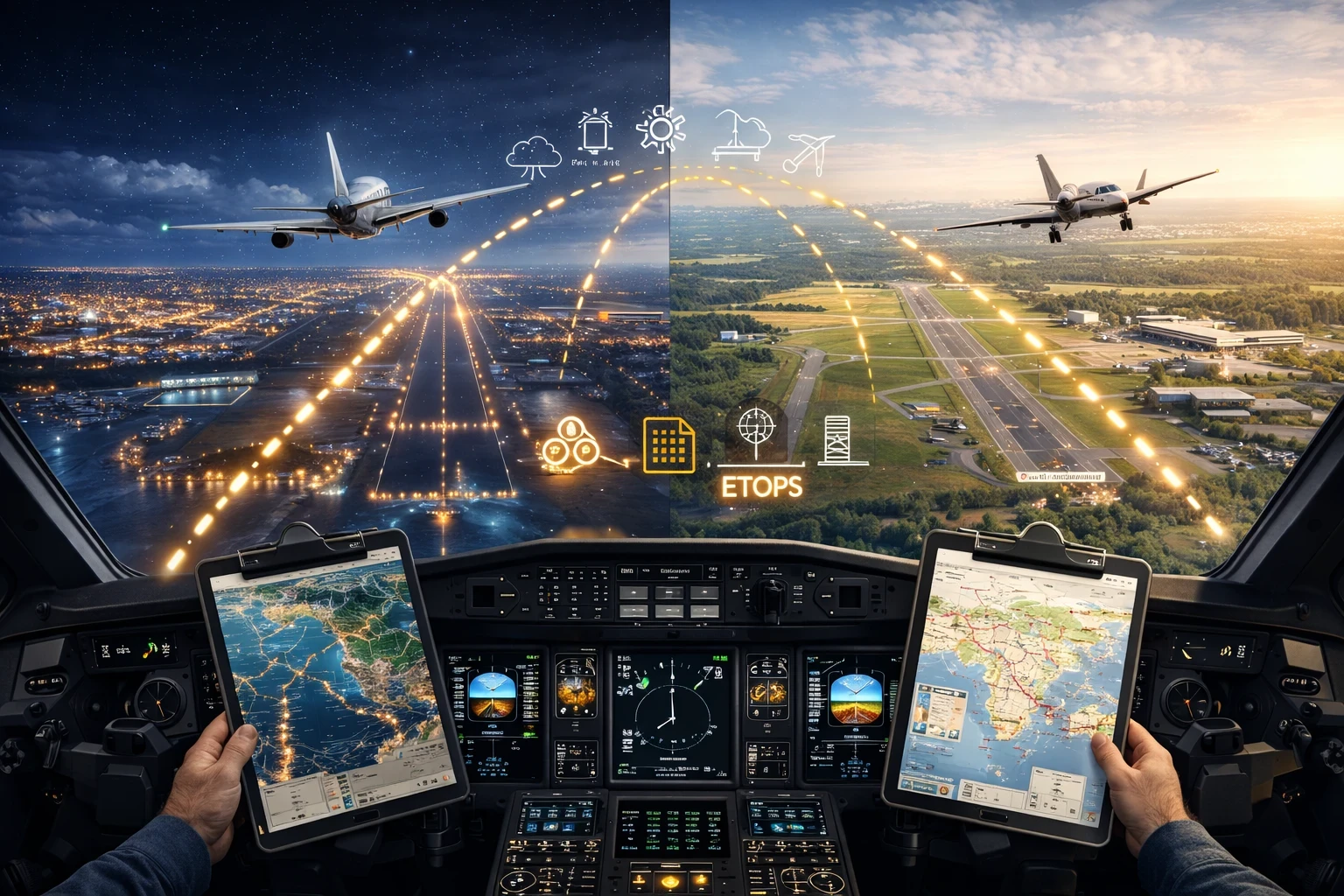
When it comes to flying, not all flights are created equal. Long-haul and regional flights place very different demands on the pilot. One emphasizes endurance, planning, and efficiency, while the other focuses on pace, precision, and quick decision-making. The key difference lies in the planning and workload required to get from A to B.
Long-haul adventures demand meticulous planning. Fuel management becomes an art and a science, especially when the journey spans oceans and continents. On shorter flights, you might load up just enough fuel to scrape by, but in long hauls, there’s strategy in every drop. For practical simulator fuel-planning techniques, see FlightSimEssentials’ landing and planning guides.
Step climbs and weight management over extended distances aren’t just aviation jargon. They’re critical for fuel efficiency and safety during those long hours in the sky. It’s about finding that sweet spot where altitude and fuel consumption dance nicely together, allowing for a smooth ride. Long-haul operations manuals emphasize that,step climbs and weight management play a critical role in fuel efficiency over extended distances.
Jet streams and large-scale weather systems play a major role in route planning and can’t be treated as an afterthought. Ignoring them can quickly turn an efficient flight into a frustrating one. These high-altitude winds can either be your best friend, speeding up the flight, or a formidable opponent, adding hours to the trip. As noted in meteorological aviation guidance, jet streams can significantly affect flight time, fuel burn, and overall route efficiency.
ETOPS, or the Extended-range Twin-engine Operational Performance Standards, sounds fancy but it’s quite practical. It’s all about ensuring that a twin-engine aircraft can fly safely should one engine fail while being a certain distance from a diversion airport. This factor’s crucial when crossing vast oceanic expanses. Defined by regulatory aviation authorities, ETOPS standards ensure twin-engine aircraft can safely operate far from diversion airports providing required safety margins in case of engine failure and allowing long over-water or remote routes that were once restricted to larger aircraft
All these factors make long-haul flights more demanding. However, as you simulate these journeys, you’ll see how dynamic and engaging they are. Short flights teach the basics, but long hauls bring in a deeper appreciation for the art of flying. You’re not just about getting from one place to another; you’re navigating a maze of challenges and mastering the skills of an aviator.
Crafting the Perfect Flight: Navigation and Regional Challenges
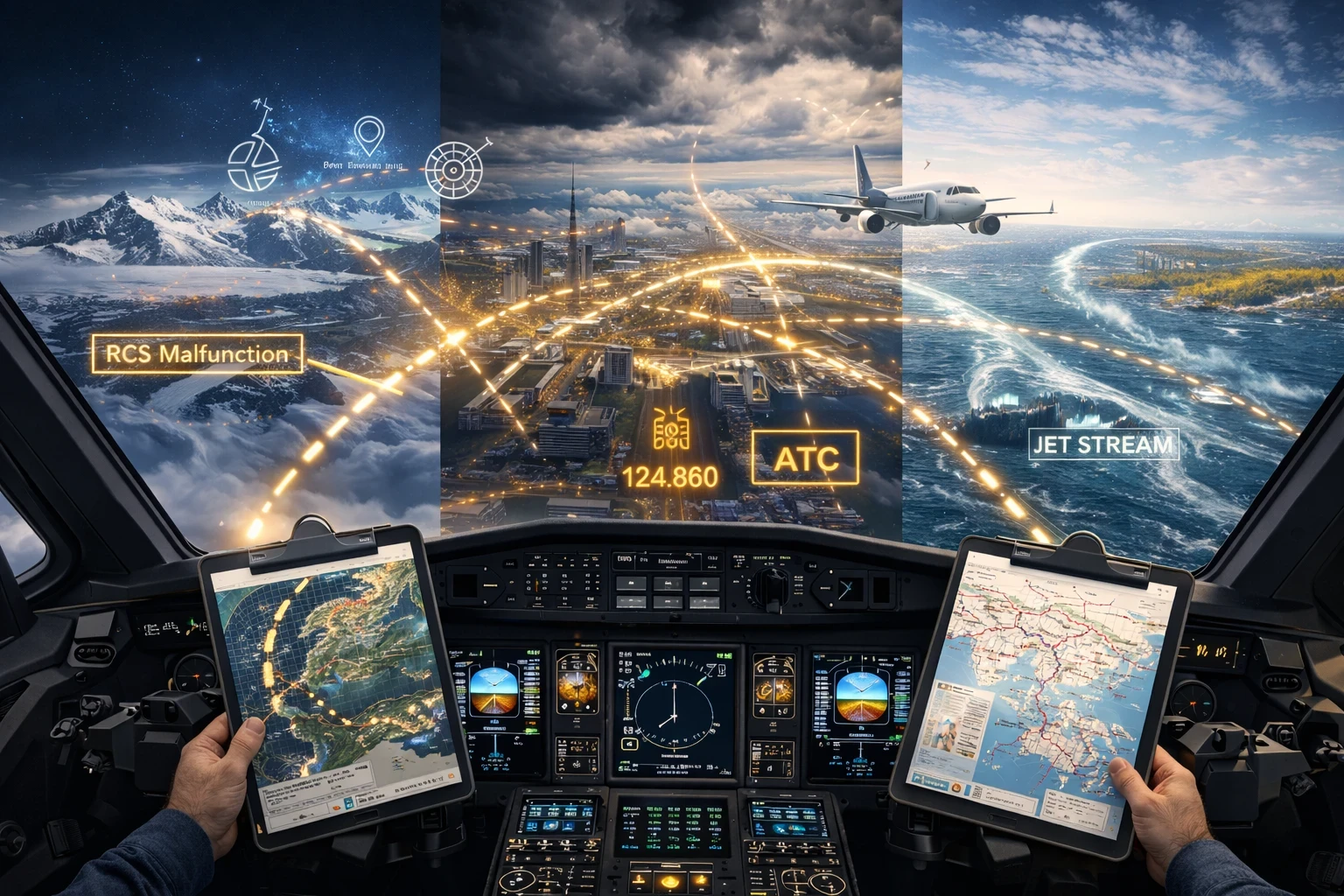
Long-haul flying isn’t only about distance—navigation becomes increasingly critical, especially in polar and high-latitude regions where magnetic variation and compass reliability come into play. For flight sim enthusiasts, this means putting your navigational skills to the real test. Polar navigation guides show that magnetic variation and navigation limits near the poles make compass reliability a critical concern during high-latitude operations, requiring pilots to rely more on true heading systems and advanced avionics.
Understanding the ins and outs of regional Air Traffic Control (ATC) procedures adds another layer to your simulation experience. Europe’s busy airspace comes with its own set of rules, quite different from the more straightforward paths over the Pacific or the open skies of the Australian outback. Mastering these different procedures can transform your simulator session into a truly international journey.
Jet streams have a huge impact on your journey, more than you might think. These fast-flowing air currents can shave off time from your flight or, if unaccounted for, add unexpected delays. Anticipating and planning for their effects is not just smart flying — it’s essential for an efficient flight simulation.
Choosing the right aircraft isn’t just about speed and range; it changes how the whole route feels. You might find that a Boeing 787 offers a different ride over the Atlantic compared to the robust Airbus A380. Each aircraft has its unique quirks and handling style, turning the same route into a refreshingly different experience.
By embracing these challenges, you not only polish your flying skills but also deepen your appreciation for real-world aviation complexities. It’s about making each flight feel as real and immersive as possible, stacking up experiences that add to your knowledge and capability as a virtual pilot.
A Journey Through Time: Historic Routes and Their Stories
Every flight simmer chasing realism has the chance to fly through history. Historic routes carry stories that have shaped aviation as we know it. From the early adventurers of commercial flight carving paths over unfamiliar lands to the enduring routes that have witnessed everything from technical breakthroughs to political changes.
Many of these iconic paths were born out of necessity, linking distant corners of the world in ways railroads and roads never could. The famous Kangaroo Route, for instance, originally took days to complete with stopovers that today sound quite exotic compared to the nonstop options now available. Flying this many-times-conquered path in a simulator brings insight into the challenges of early pilots and how far aviation technology has come.
Some routes stand as benchmarks in aviation safety and engineering. The pioneering transatlantic journeys, once fraught with uncertainty and navigation challenges, have become routine. Understanding the evolution of these paths shows you the intense work that went into making flying safe and reliable.
Incorporating real schedules and flight numbers can enhance your simulation experience, bringing authenticity to your virtual cockpit. It’s not just about inputting a destination but recreating a slice of history, connecting you to the flights that have crossed these routes for decades.
With each reenactment, you’re not only flying an airplane but also reliving the moments that made these routes iconic. It combines the joy of discovery with the satisfaction of learning, bringing you closer to understanding how aviation has evolved over the years.
From Sim to Reality: Enhancing Aviation Appreciation
Flying isn’t just a way to travel; for many simulation enthusiasts, it’s a way to connect deeply with the world of aviation. Simulating iconic routes offers more than just a game — it’s a genuine exploration of navigation, planning, and understanding airline operations.
Every flight in a simulator represents a chance to execute real-world challenges in a controlled environment. Whether managing fuel over a long-haul flight or plotting a path around weather systems, these scenarios teach critical decision-making skills. As a virtual pilot, you learn the same intricacies that real pilots manage every day, transforming your screen into a classroom with no boundaries.
The beauty is in the details. Sticking to real-world schedules and flight numbers adds layers of immersion and authenticity, grounding the experience in reality. It’s like having a backstage pass to the world of aviation, where you observe how airlines operate globally, making each flight engagingly real.
Stepping away from the virtual cockpit, you begin appreciating the complexities involved in aviation. There’s an artistry in the way iconic routes are crafted, and by exploring them, you see the value in every navigational choice and operational strategy. This perspective isn’t just useful for simmers; it fosters a deeper respect for the professionals operating real aircrafts.
Exploring these routes gives you a broader understanding of how aviation actually works. It turns flight simulation into a learning experience—one that deepens respect for the planning, discipline, and precision behind every real-world flight.
Bringing It All Together in the Virtual Cockpit
Exploring iconic aviation routes from home shows that flight simulation is more than visual sightseeing. These routes reveal how geography, weather, regulations, and history shape real-world aviation decisions. By flying them virtually, you gain a deeper understanding of why routes exist, how they are planned, and what it takes to operate them safely and efficiently.
If you want to get more out of these experiences, approach each route with intention. Plan fuel carefully, study weather patterns, follow real-world procedures, and experiment with different aircraft to see how each one changes the workload and feel of the flight. Treat every simulated route as a learning opportunity rather than a simple point-to-point journey.
To continue building your skills and aviation knowledge, explore more flight simulation guides, planning insights, and realism-focused content on FlightSimEssentials, and use each new route you fly as a step toward becoming a more capable and confident virtual pilot.