
Last updated on February 25th, 2026 at 09:15 am
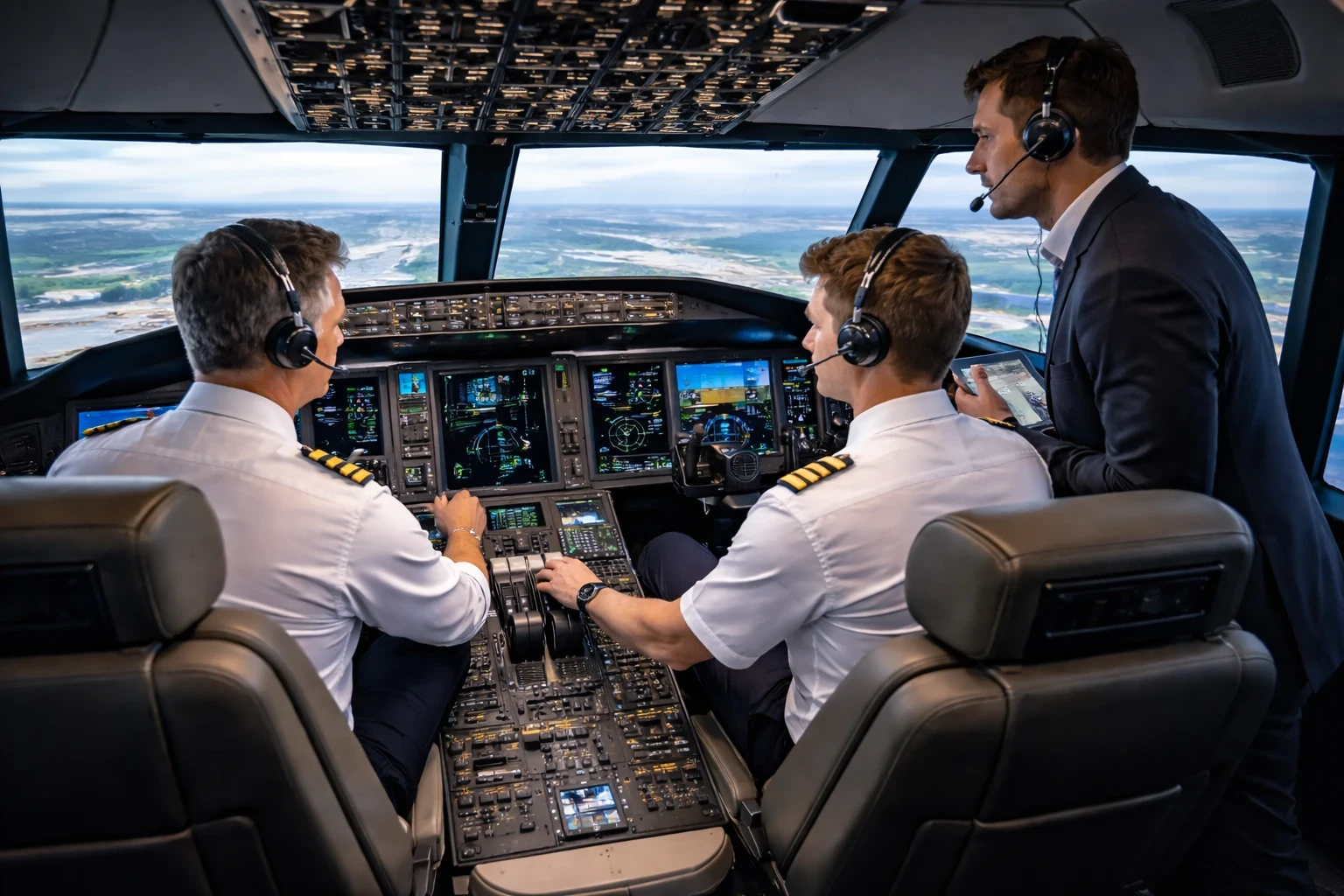
Professional pilots don’t just hop into multi-million dollar jets without some serious prep. That’s where airline-grade simulators come in. These high-tech marvels are like the ultimate playgrounds for pilot training, making sure they’re ready for anything that might happen in the skies. If you’re curious how professional-level training compares to home setups, check out How Realistic Flight Simulators Enhance Pilot Training for a deeper look at where sims truly shine.
Imagine cutting-edge machines that can mimic exactly how a real plane feels, responds, and even runs into problems. These simulators aren’t just important—they’re absolutely crucial. They let pilots practice complex maneuvers and emergency situations without the risks of actual flying.
Aviation safety gets a major boost thanks to these simulators. Pilots can train on every imaginable scenario, from engine failures to tricky landings. This means when they’re faced with these situations for real, they’ve already got tons of practice under their belts, significantly reducing the chances of mishaps.
Besides safety, simulators help keep training costs in check. Instead of burning expensive jet fuel and accumulating airframe wear, pilots can get the bulk of their training done on the ground. This keeps the airlines’ wallets happy without compromising on training quality.
So, next time you see a pilot deftly maneuvering a giant jetliner through rough skies, remember: they likely owe a lot of their skill to the hours spent in a simulator. It’s a pivotal tool that melds technology and training, crafting pilots who are adept and ready for the real deal.
Demystifying Full-Flight Simulator Levels: Standards and Certifications Explained
Ever wondered how these complex flight simulators get those fancy certifications like Level C and D? It’s all about meeting super strict standards that ensure top-notch realism and accuracy. The folks at the FAA and EASA have laid down the law when it comes to what these simulators need to mimic real-world flying perfectly.
So, what’s the deal with these levels? Level C and Level D are the gold standards for full-flight simulators. They pack in tech that brings motion, sound, and visuals so close to the real deal, you’d forget you’re not actually hurtling through the sky. Level C simulators give you a taste of motion with specific fidelity requirements, but Level D jumps in with all the bells and whistles, including full six-degrees of motion that can make even seasoned pilots feel like they’re really up there in the cockpit. According to the FAA Full Flight Simulator Qualification Standards, Level D simulators must meet extremely strict motion, visual, and system-response criteria to be approved for professional pilot training.
But why are these standards important? Simply put, it’s about guaranteeing that when pilots train, they’re getting an experience as close as possible to the real thing. That way, every toggle switch and every throttle response feels just like it would at 30,000 feet. This is critical not just for instilling confidence in pilots but also in ensuring they’re fully prepared for anything and everything that could come their way.
The certification process isn’t a walk in the park either. Manufacturers have to put their simulators through rigorous testing to get that official stamp of approval. This involves a whole range of performance checks to ensure that the simulator replicates even the most minute details of aircraft behavior. Without these certifications, a simulator just wouldn’t cut it for professional use. EASA also outlines similar requirements in its Flight Simulation Training Device (FSTD) standards, which govern simulator qualification and use across Europe.
In a nutshell, these simulator levels and certifications are there to make sure pilots get the training they need in an environment that convinces their senses they’re in a real aircraft. It’s all about taking illege of simulation to the next level, literally and figuratively!
Behind the Simulator’s Doors: Cockpit Realism Unveiled
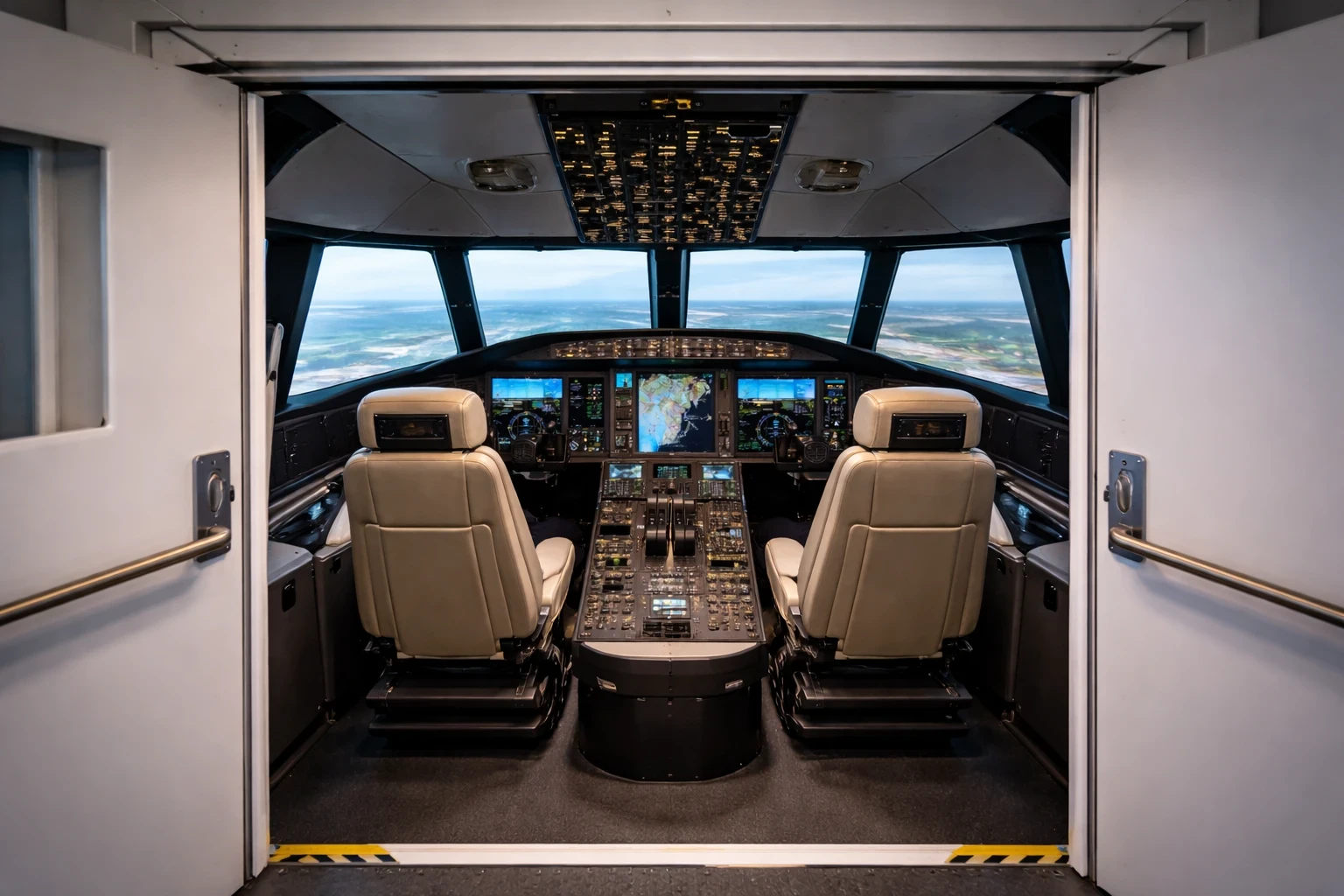
Stepping into a professional flight simulator is just like getting into the real cockpit of an aircraft. And that’s intentional. Everything’s designed to be a carbon copy of the actual planes pilots will fly, right down to the last button and display.
In these simulators, pilots get their hands on exact replicas of the flight controls they’re used to. It’s not just about looks—it’s about tactile feedback too. Every knob, switch, and lever works exactly like in a real cockpit, ensuring that muscle memory gets a serious workout.
What’s really impressive is how these simulators replicate the countless systems of actual aircraft. From avionics to engine controls, everything functions with incredible accuracy. Got a problem with the left engine? You’ll see the same alerts and have to follow the same procedures to fix it, just like in the sky. This level of realism ties closely into modern avionics training, which we break down further in Exploring Advanced Avionics for Seasoned Sim Users.
High-fidelity displays mimic the flight instruments pilots rely on during flight. Pilots get the same information from these screens, allowing them to practice instrument flying accurately. This kind of realism is essential for developing quick-thinking pilots who can read, interpret, and act fast in real life.
When it comes to navigation and communication systems, it’s just as real inside the sim as it is when airborne. Pilots practice plotting courses, managing radio communications, and even dealing with air traffic control, just like they’d have to in the air.
This attention to cockpit accuracy isn’t just about training effectiveness—it’s about making sure that when pilots transition from sim to real plane, there aren’t any surprises. This seamless switch ensures they’re ready to tackle everything from routine flights to unexpected scenarios with the same skill and precision.
The Art of Simulated Reality: Motion and Visual Systems
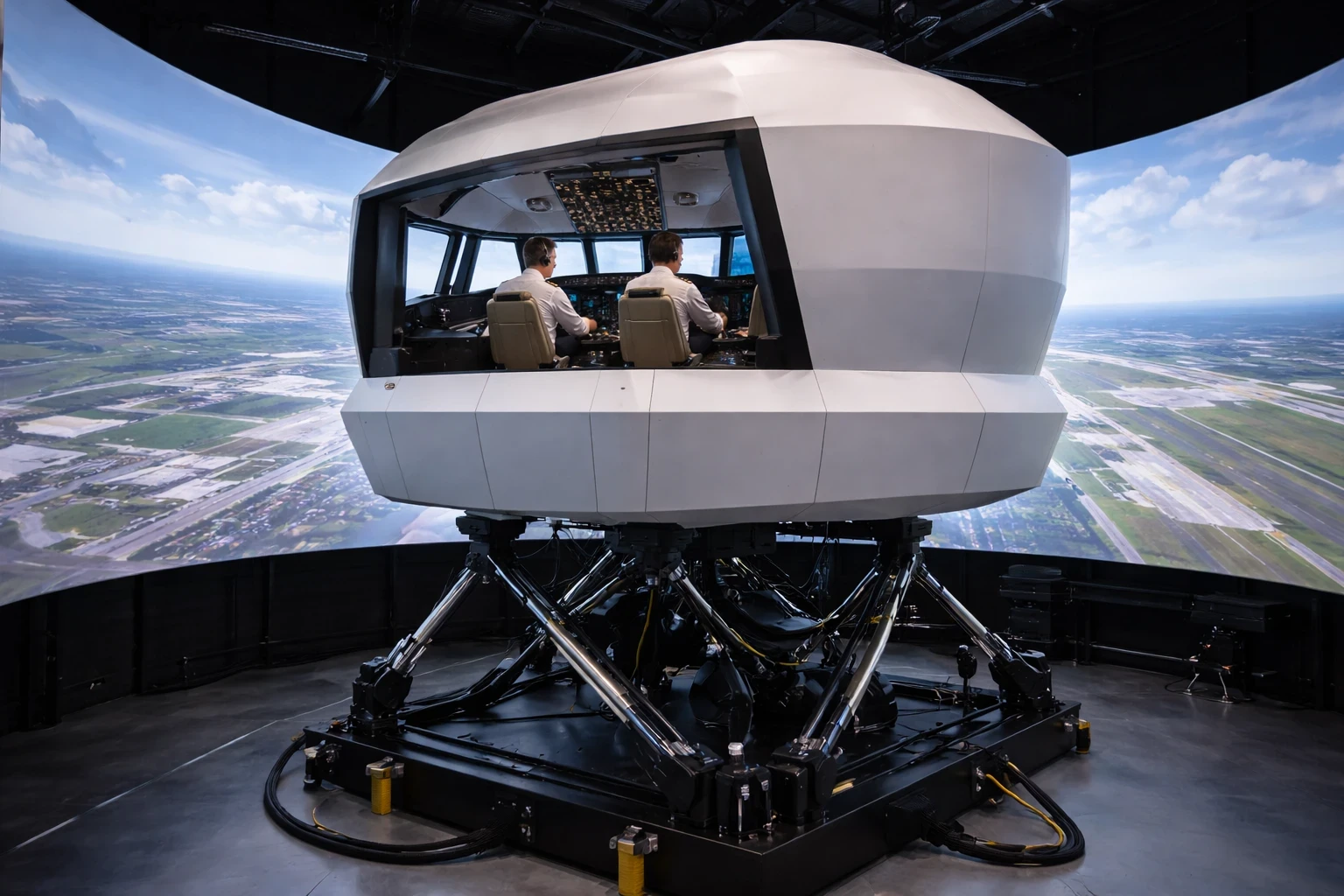
Ever felt like your seat was shaking during a particularly bumpy flight? Well, professional flight simulators recreate all those motions and more with 6-axis motion platforms. This tech is all about crafting a realistic flight experience that can trick even experienced pilots into feeling like they’re soaring through the air.
These sims don’t just bounce you around a bit—they go full tilt, roll, and rise to mirror every subtle move your aircraft would actually make. Bank right in the sim? You feel it in your seat. It’s not just cool—it trains your instincts before the stakes get real. Companies like CAE Aviation Training and Acron Aviation – Pilot Training & Simulator Solutionsare industry leaders in developing airline-grade simulators used worldwide.
And let’s not skip the visuals—they’re nothing short of jaw-dropping. You’re surrounded by high-res domes that wrap you in a 360-degree view, from sunrise climbs to stormy landings. Whether you’re skimming clouds or lining up on final, it feels eerily real.
Weather conditions can be a pilot’s best friend or worst enemy, and simulators prepare them for both. They’re equipped to simulate a variety of environments, from sunny skies to thunderous storms, complete with lightning and even turbulence. It’s all about readying pilots for whatever Mother Nature decides to throw their way. Motion platforms and immersive visuals play a huge role in realism—especially when paired with weather systems discussed in Integrating Real-Time Weather Data Into Your Flight Sim.
Lighting is another key player. Inside the simulators, the lighting changes to mimic real-world effects, from the bright glare of a summer’s day to the dim glow of a moonlit night. This depth in detail helps pilots improve visual flight procedures and adjust to different environmental conditions throughout their training sessions.
Together, these motion and visual systems not only hone a pilot’s technical skills but also enhance their confidence. By experiencing realistic flight scenarios and honing reactions in a controlled setting, pilots emerge from simulator training ready to tackle the skies with precision and calm.
Simulator Training Scenarios: Preparing Pilots for Every Possible Flight Event
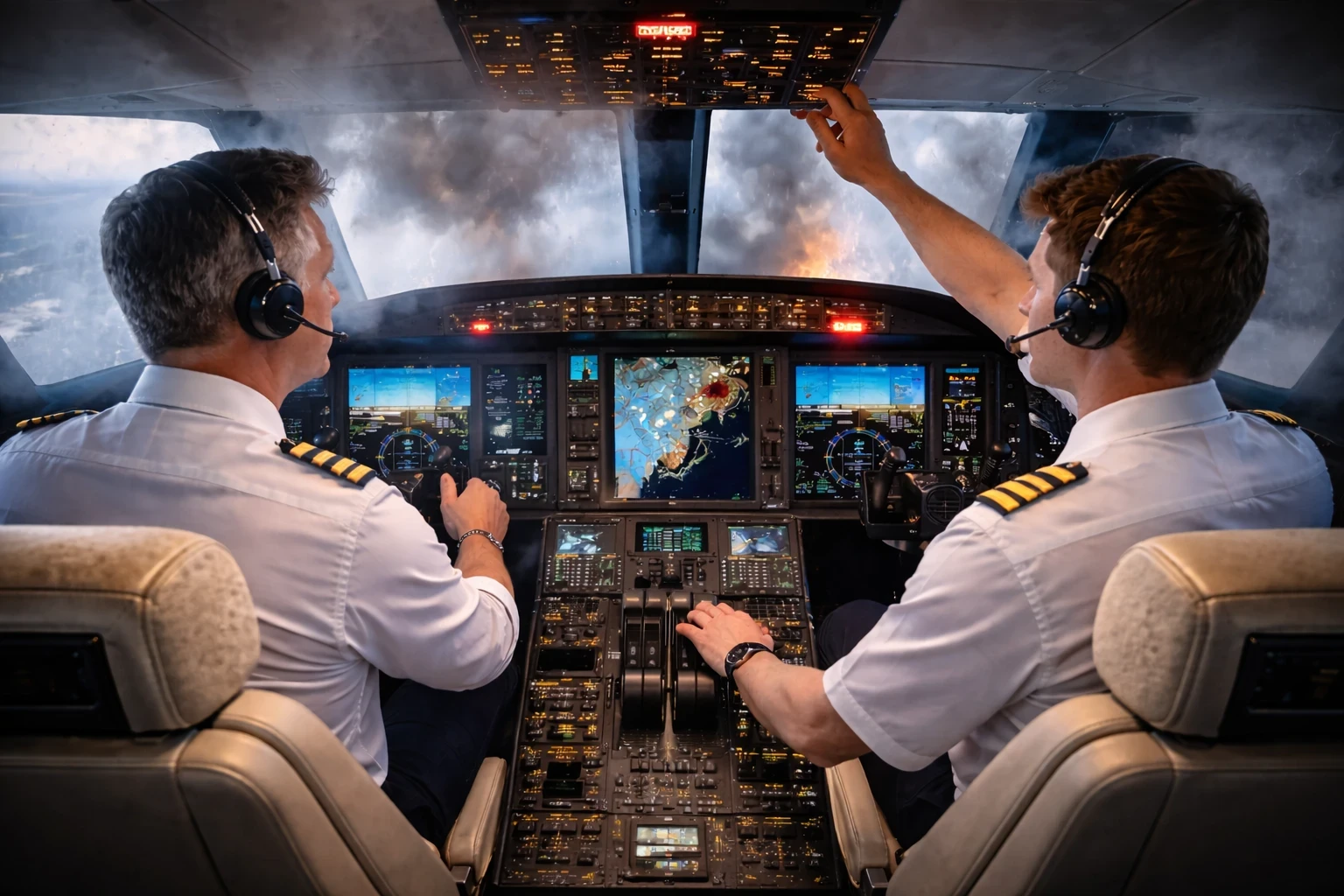
Stepping into one of these simulators? It’s go time. Pilots aren’t just clocking hours—they’re thrown into fast-paced, nerve-testing scenarios that push their limits and sharpen their instincts.
Imagine your engine suddenly fails mid-flight. In a simulator, pilots dive straight into handling this stress-inducing situation with poise. These realistic simulations allow pilots to troubleshoot and execute emergency protocols, building their decision-making muscles without the actual risk.
It’s not just about dealing with faulty hardware; weather phenomena get fair play too. Pilots train to recognize and react to perilous situations like windshear, where eerie calm can suddenly turn into a stomach-lurching plummet. Getting these experiences under their belt in a safe setting makes them more adept at handling real messes.
Navigating a plane to steady landings when visibility drops to nothing requires guts and precision, both polished in simulators. Pilots practice everything from basic landings to complex approach procedures under varying levels of visibility—a key part of honing their skills for the real world.
These simulators also let pilots simulate interacting with air traffic control during complex approaches. Pilots become adept at quickly processing information, adjusting their position, and collaborating with ground controllers—all crucial for safe flight.
By the time they’ve battled through engine failures, blinding fog, and surprise ATC reroutes in the sim, real-life turbulence doesn’t rattle them. It’s not about checking a box—it’s about walking into the cockpit already knowing you’ve handled worse in training. For sim pilots looking to recreate these challenges at home, you may enjoy Customizing Scenarios: From Emergency Landings to Night Flights.
🧑✈️ Ready to See What It’s Like Behind the Yoke?
Airline-grade simulators aren’t just training tools—they’re where great pilots are made. Whether you’re a simmer dreaming big or just curious about how the pros do it, diving into this world gives you a whole new appreciation for aviation precision.
Want to take the next step?
👉 Discover how real pilots use flight simulators for business jet training
👉 Explore advanced avionics and the tech that powers pro-level sims
👉 Compare the best home simulators and software for serious practice
✉️ Got a favorite simulator setup or want to share your training experience? Drop a comment or connect—we’d love to hear how you’re flying smarter!