
Last updated on February 25th, 2026 at 09:06 am
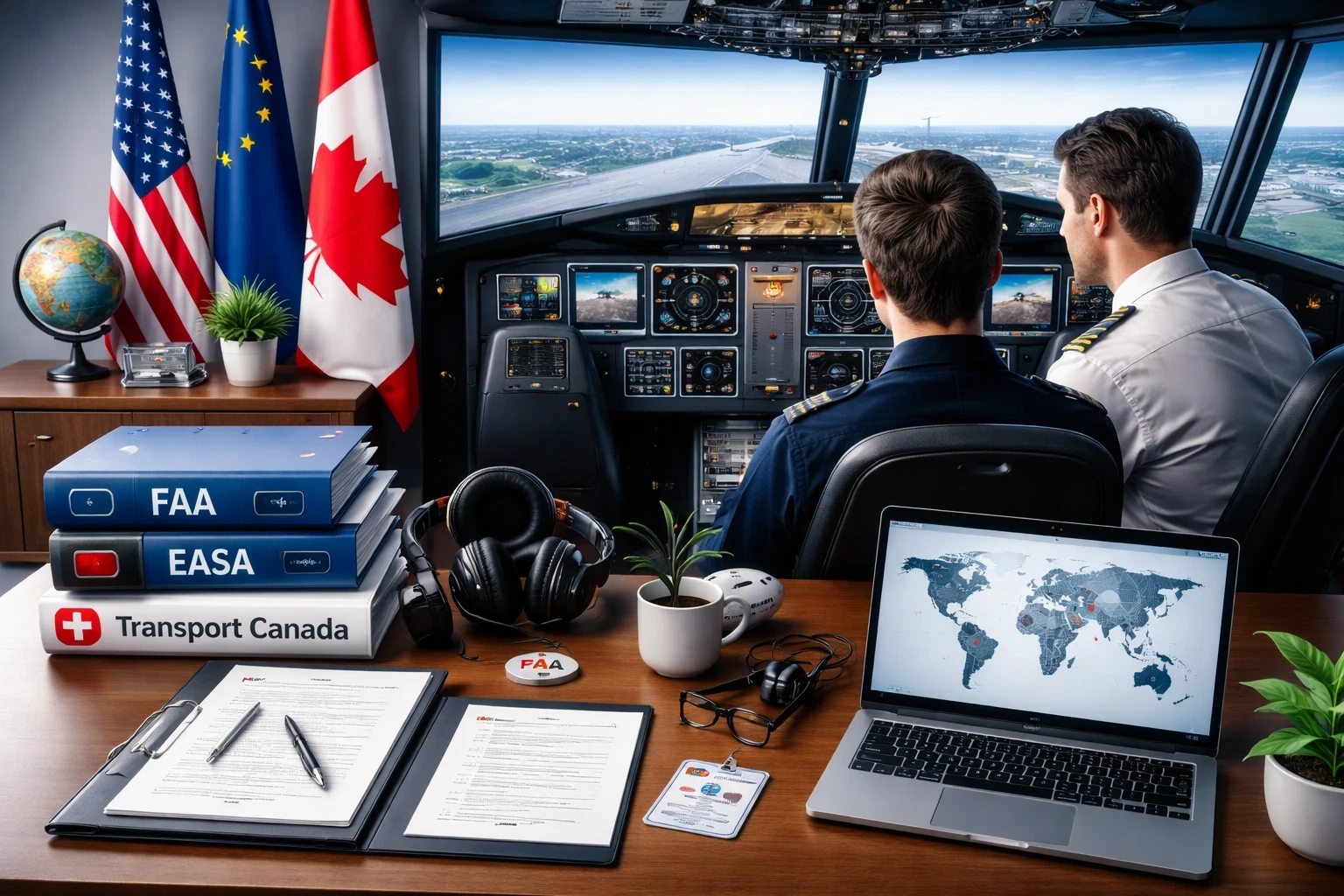
Aviation is all about standards and regulations, ensuring safety across the skies, no matter where you’re piloting. When it comes to flight simulation training, knowing the guidelines set by major aviation authorities is crucial. The big players here are the FAA in the United States, EASA in Europe, and Transport Canada. Each has its unique set of rules, but they all aim to uphold the highest safety standards.
Understanding the core responsibilities of these regulatory bodies is a great starting point. The FAA, for instance, is the go-to authority in the U.S. It handles everything from pilot certification to simulator training approvals. Across the pond, EASA covers a vast European landscape, overseeing aviation safety for numerous countries. Meanwhile, Transport Canada steers aviation standards in the Canadian skies, ensuring that the Great White North complies with international norms.
It really helps to know where these regulatory bodies differ when it comes to simulator training. For example, the FAA might let you log sim hours under Part 61, while EASA could be a bit stricter or have a different take entirely. Transport Canada often mirrors the FAA in some ways, but it’s never safe to assume — having a solid grasp of each region’s rules can save you from surprises down the line.
When you’re in the aviation world, you can’t just stick to one standard if you’re operating internationally. Imagine flying a sim in the U.S. and then heading to Europe; there might be training adjustments needed to fit EASA norms. Being strategic about aligning with these global standards ensures you won’t hit unnecessary turbulence. Fostering dialogue with experienced instructors can provide deeper insights, especially if they have dual certifications.
Whether you’re a sim hobbyist or an instructor, picking the right simulator and knowing what it’s officially approved for can make all the difference. You’re not just logging hours — you’re building skills that actually count where it matters, and that means less frustration and more confidence down the road.
Understanding Simulator Categories and Approved Use Cases

Flight simulators come in various shapes and levels, each serving different training needs. Broadly, they’re classified into categories like Full Flight Simulators (FFS) and Flight Training Devices (FTD), each with its specific certification requirements. Knowing which is which can help you choose the right one for your training goals.
FFS are the real deal when it comes to simulating flight experiences. These bad boys provide full-motion simulation, making them ideal for replicating actual flight conditions. They’re mainly used by airlines and training centers for pilot certifications, providing a rich, hands-on experience under various scenarios.
On the other hand, FTDs offer a more basic level of simulation, typically without the full-motion aspect. They’re perfect for training specific procedures and basic pilot skills. While they might not provide the roller-coaster feel of an FFS, they’re particularly useful for practice drills and focused training sessions.
In terms of approved use cases, understanding how these simulators fit within the frameworks of FAA, EASA, and Transport Canada is key. Each authority may have different rules about what type of simulator is acceptable for certain training credits. Based on FAA Part 60 standards for simulator qualification, Some FAA programs under Part 61 might allow you to use an FTD where EASA would require an FFS, so knowing these distinctions can help tailor your training regimen appropriately.
For more insights into choosing the right flight gear for realistic experiences, check out Essential Hardware Upgrades for Enhanced Sim Experiences.
For sim enthusiasts and instructors looking to stay ahead, identifying the right simulator for your aims and understanding its approved use cases under different regulatory umbrellas can be a game changer. It means you’re not just training for the sake of logging hours, but also ensuring the skills and credits you accrue are recognized by the relevant aviation body.
Maximizing Training with FAA Part 61 vs. Part 141 Sim Credit
Diving into flight training in the U.S., you encounter two distinct paths with the FAA: Part 61 and Part 141. Both serve the same ultimate purpose—getting you ready to fly—but they offer different journeys to get you there.
Part 61 is like the indie path. It’s flexible, giving you the power to tailor your training according to your own schedule and learning pace. If you’re a self-starter or someone juggling multiple commitments, this route is a blessing. It lets you use significant amounts of simulator training as credit, saving you both time and money while still imparting essential skills.
Part 141, however, is structured and systematic. Imagine it as the structured school pathway, with a set curriculum and rigorous oversight. It’s perfect for students who thrive on predictability and need the discipline of a more stringent learning schedule. Training centers operating under Part 141 may offer shorter total flight time requirements due to their efficiency and standardization.
Understanding how simulator hours fit into these parts is crucial. Under Part 61, you might use more sim hours, especially with your CFI’s blessing, whereas Part 141 is bound by a tighter framework, offering limited sim credit. This could affect how you plan your training timeline and financial investment.
For a deeper look into how flight simulators contribute to real-world proficiency, How Realistic Flight Simulators Enhance Pilot Training explains it beautifully.
Choosing between these two tracks doesn’t just shape how you earn your license — it shapes how you learn to fly. If you’re an instructor, understanding these rules lets you steer your students in the right direction. And if you’re training yourself, matching your learning style with the right framework can make the journey smoother and more rewarding.
Integral Components of Certified Simulator Training
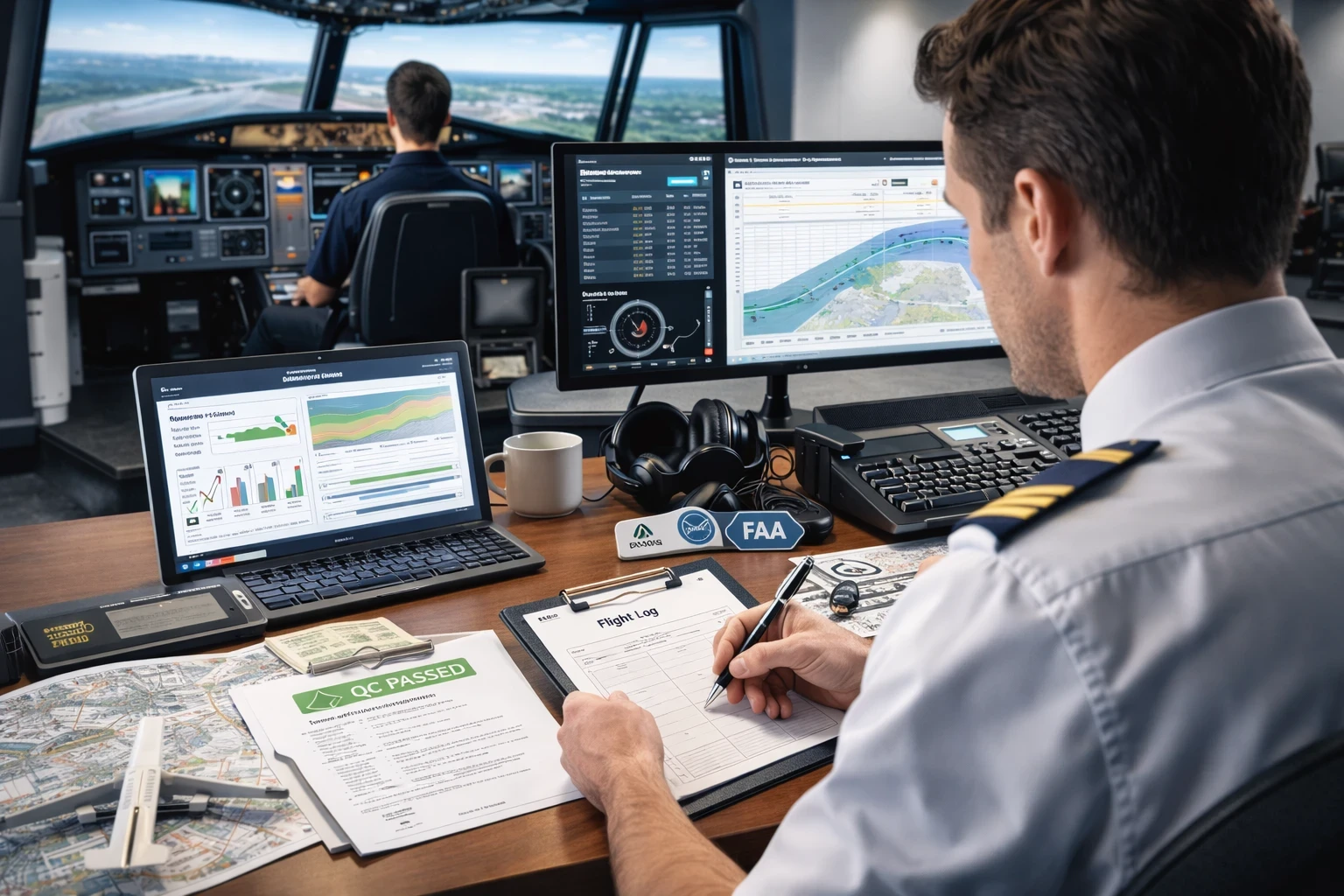
Once you’ve chosen your simulator and understood the regulatory landscape, keeping that simulator in top shape is essential. Maintenance and calibration must be at the forefront of your priorities. With certified sims, regular checks ensure they effectively replicate real-world flight conditions, which is crucial for both safety and training efficacy.
Instructors are more than just sim guides — they’re the ones keeping everything legit. From logging hours to handling endorsements, their behind-the-scenes work ensures every session actually counts. Without that, even the best sim can fall short of its training potential.
Utilization of evaluation and debriefing tools is another critical aspect. These tools, in line with regulatory authority requirements, help assess a pilot’s progress and areas needing improvement. According to Skybrary’s article on debriefing effective feedback sessions increase retention, enhance pilot confidence, and improve future performance.
To learn more about how controllers and pilots collaborate in high-stakes training environments, Top Software for Air Traffic Control Simulation gives a great overview of complementary systems.
For trainees and hobbyists, understanding these components isn’t just about ticking boxes, it’s about gaining confidence that your skills are honed using top-tier equipment. And for instructors, it’s about providing a seamless, standardized training experience that stands up to scrutiny from any aviation body.
Future-Proofing with Regulatory Updates and Requirements
In the ever-evolving world of aviation, staying on top of updates from regulatory bodies like ICAO and adhering to Advisory Circulars is not just good practice, it’s vital. These updates often include changes to training requirements and can significantly impact how simulators are used in pilot preparation.
Scenario-based training is the new go-to — and for good reason. Instead of just drilling the same moves, pilots get to think through real-life situations. According to the FAA Safety Team’s introduction to Scenario‑Based Training, this method uses real‑world scenarios to build judgment, risk management, and decision‑making skills — making flying more intuitive and practical. It’s a shift that makes flying more intuitive and practical, but it also means instructors need to stay on top of new guidelines and keep things fresh in the sim.
There are specific distinctions between VFR and IFR training requirements regarding simulators. Visual Flight Rules (VFR) and Instrument Flight Rules (IFR) each have unique aspects that influence how simulation training should be conducted. Knowing the differences means you can tailor training plans effectively, ensuring every session counts toward your goals.
For sim instructors and pilots alike, future-proofing means being adaptable and proactive. Having a system in place for timely updates and incorporating these changes into your training program keeps skills sharp and compliant.
Ultimately, keeping pace with these regulatory dynamics not only enhances pilot skills and safety but also solidifies the credibility and recognition of the training provided, ensuring that both seasoned professionals and budding pilots are grounded in current best practices.
Bringing It All Together
Aligning your simulator training with aviation regulations isn’t just about checking boxes — it’s about elevating your skills with intention. Whether you’re navigating FAA Part 61, adjusting to EASA protocols, or syncing with Transport Canada’s expectations, understanding the structure behind these systems gives you a sharper edge in your training journey. From selecting the right simulator to logging hours that truly count, being proactive and informed will always set you apart.
As the industry evolves, so should your approach — staying current means staying confident.
Explore More Training Tools & Tips:
- Implementing ATC Communication for Dashboard Realism
- Customizing Scenarios: From Emergency Landings to Night Flights
- How to Optimize Your PC for Performance in Flight Simulators
Or browse the full range of sim tips, tech walkthroughs, and hardware reviews at FlightSimEssentials.com.
🛫 Keep your virtual cockpit sharp — and let the regulations guide you toward smarter, safer flying.