
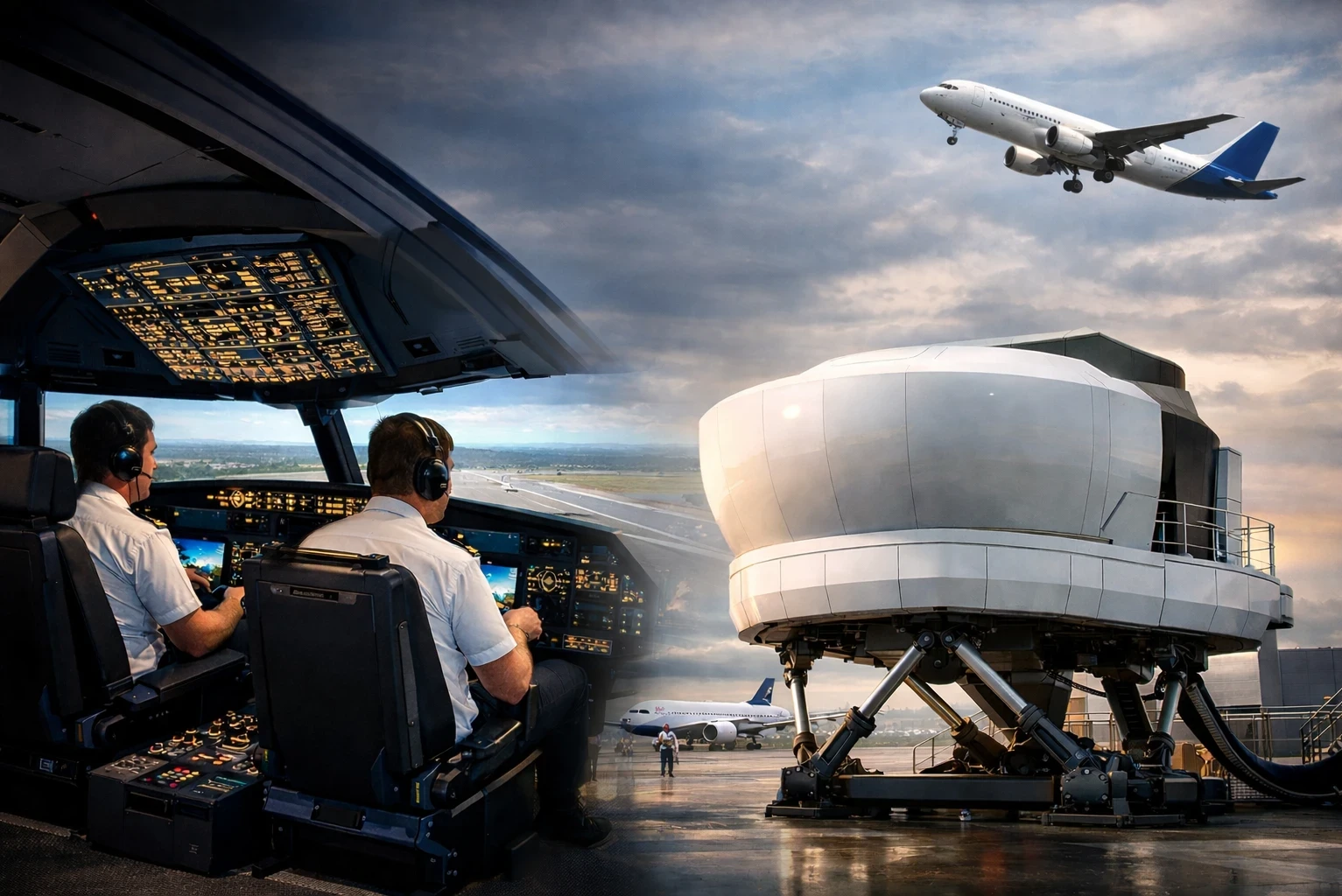
Flight simulators are at the heart of modern pilot training, blending cutting-edge tech with lifelike realism. They recreate the flying experience so convincingly, pilots can build real-world skills without ever leaving the ground. From simple procedural trainers to advanced Level D simulators, each tool plays a role in turning rookies into proficient pilots and seasoned aviators into even sharper ones.
Level D simulators are the gold standard here. These full-flight simulators offer a near-360-degree panoramic view, realistic cockpit controls, and motion systems that replicate the feeling of flight. When it comes to type rating and aircraft-specific training, these sims are indispensable. Pilots can get familiar with the quirks and systems of different aircraft, all while safely grounded. these simulators meet the highest level of certification for flight training. According to the FAA National Simulator Program, Level D simulators are qualified under strict federal standards as flight simulation training devices that support advanced pilot training and evaluation.
One of the biggest perks of simulator training is practicing in a risk-free environment. Imagine handling complex maneuvers, dealing with unpredictable situations, and facing mechanical failures without ever putting lives at risk. It gives pilots room to stretch their limits—testing different flight scenarios with the safety and flexibility only a virtual cockpit can offer. If you’re building a custom home sim setup, this kind of flexibility is also achievable on a smaller scale. (See: Building A DIY Home Cockpit On A Budget).
Beyond building individual skills, simulators foster teamwork in a multi-crew cockpit environment. This kind of training sharpens communication and coordination between crew members—a crucial factor in flight safety. Instructors can introduce various shared scenarios to improve CRM (Crew Resource Management), ensuring pilots learn to work seamlessly together.
Simulation training isn’t just helpful—it’s essential for reinforcing safety standards and preparing pilots for the unexpected. By using cutting-edge technology, airlines ensure that pilots are ready for anything and everything, while also achieving cost efficiency and meeting rigorous regulatory standards. In my opinion, the structured environment of a high-fidelity sim is unmatched when it comes to preparing for rare but critical emergencies.
Mastering Emergency Procedures with Simulation Technology
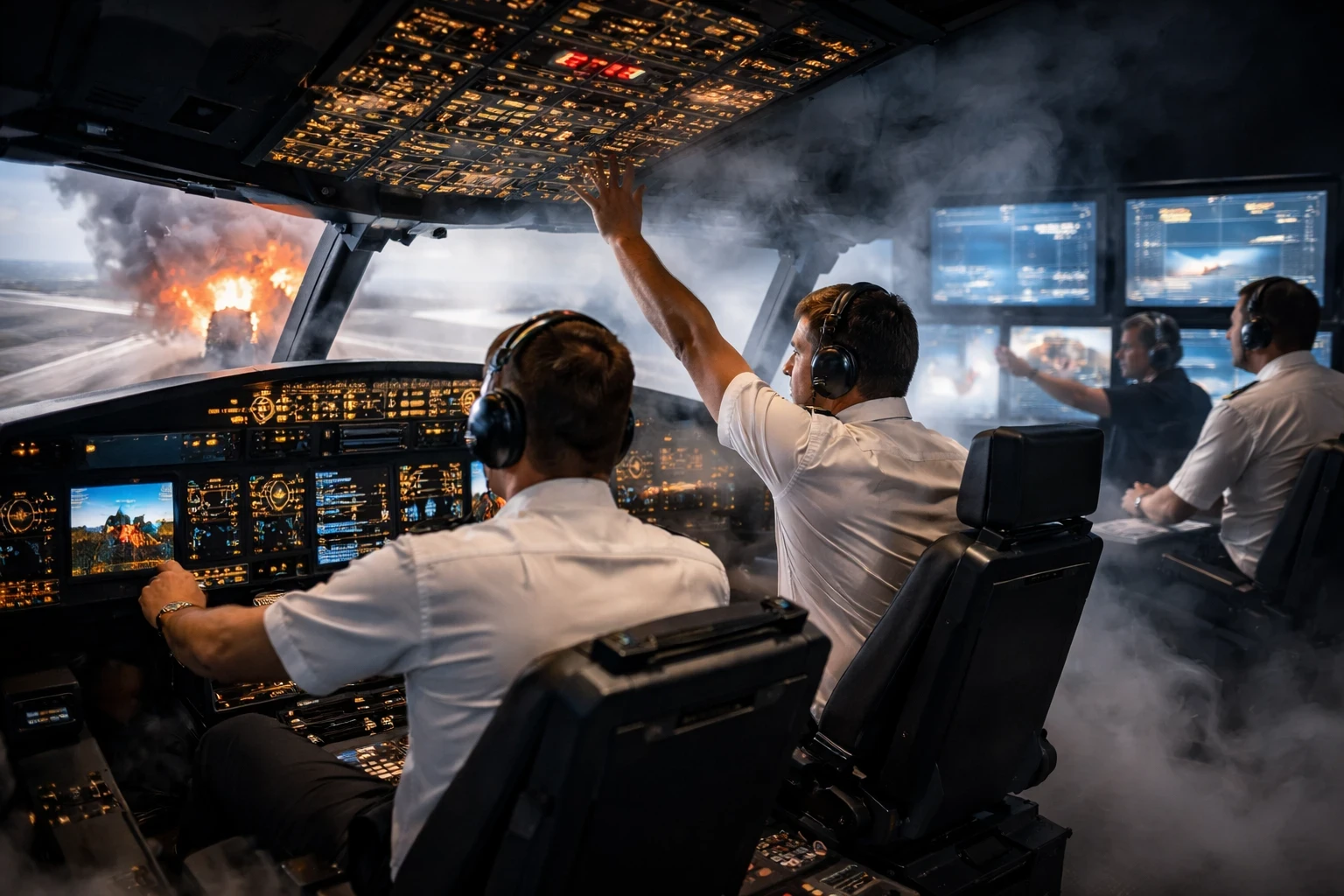
Flight simulators provide an unparalleled opportunity to hone emergency response skills without the real-world risks. Pilots face an array of mock emergencies in the safe confines of simulators, allowing them to practice critical responses repeatedly until they become second nature.
What makes simulators so powerful is their ability to replicate high-stress scenarios most pilots may never face in real life—but should still be ready for. By managing hypothetical engine failures, unexpected weather shifts, and technical malfunctions, pilots build confidence and composure. This process helps pilots sharpen their judgment and build calm, confident decision-making under pressure—skills that matter when the stakes are high. For tips on weather-related training, see: Exploring Realistic Weather Mods For Added Challenge.
Simulations make it possible to set up complex, high-pressure scenarios repeatedly, which simply isn’t feasible in actual flight training. Pilots can experiment with different responses to the same problem, assess what works best, and fine-tune their instincts with each pass. This iterative process sharpens problem-solving skills and enhances situational awareness.
For those who are learning, this is crucial. Cadets transitioning from classroom theory to hands-on practice get a unique chance to experiment with real-time procedures. They see firsthand what works, what doesn’t, and why, bridging the learning gap between books and real life.
Plus, the controlled environment of a simulator means pilots can learn from their mistakes without any immediate consequences. This freedom to fail and try again encourages learning, innovation, and ultimately, mastery over their response protocols when things don’t go according to plan.
Enhancing Skills and Coordination through Scenario-Based Training
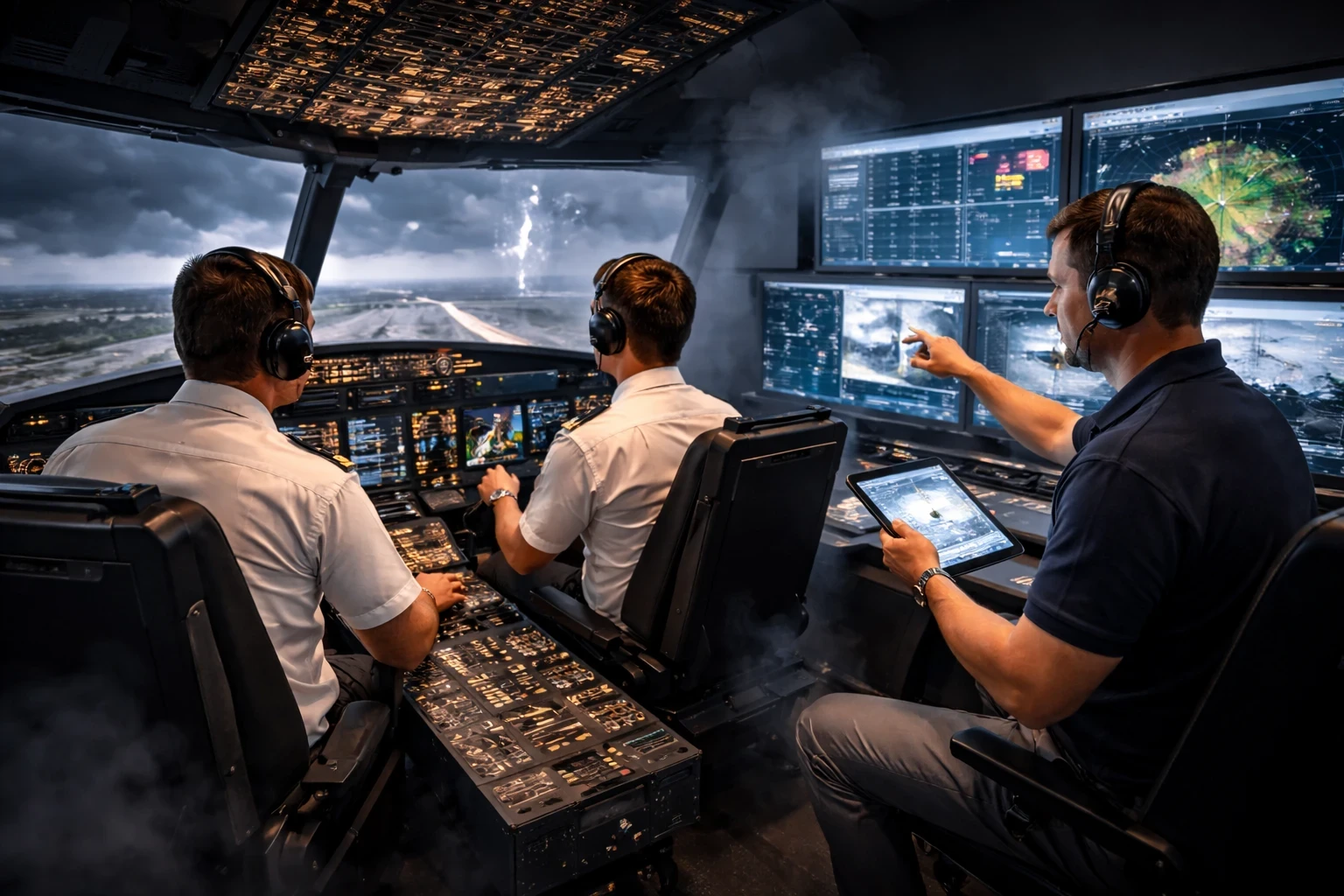
Scenario-based training in simulators provides pilots with a well-rounded skillset by immersing them in a variety of flight situations. By simulating challenging weather conditions, technical faults, and diverse flight scenarios, pilots enhance their problem-solving abilities and preparedness.
Simulators provide an ideal environment to strengthen multi-crew coordination—better known as CRM—through realistic, shared cockpit scenarios. The emphasis is on honing communication and teamwork skills under different shared scenarios, creating a collaborative cockpit environment. For those building skills in this area, check out: Navigating The Virtual Skies: Tips For Beginners. These sessions help pilots synchronize their efforts with the rest of the crew, a must-have skill in actual flights.
One of the standout benefits of scenario-based training is its focus on maintaining and reinforcing Standard Operating Procedures (SOPs). These are vital for consistency and safety across operations. With the ability to practice SOP adherence repeatedly in the simulator, pilots internalize procedures, making them instinctive during real flights. According to ICAO’s manual on training, SOPs are a cornerstone of flight safety systems.
Repeated exposure to diverse situations ensures pilots truly engage with the complexity of flying—not just checking off training tasks, but internalizing what it takes to handle real-world challenges. It’s about developing resilience, adaptability, and an ever-ready mindset.
Beyond individual skill development, this approach to training fosters a culture of continual learning and improvement. There’s always a new scenario to tackle or a better way to handle a situation, keeping skills sharp and promoting professional growth.
Cost-Efficiency and Compliance: The Future of Airline Training

Simulators offer airlines a cost-effective alternative to in-flight training without compromising the quality of pilot education. One of the most significant savings comes from fuel usage. Without the need to get actual aircraft airborne, training programs become a lot cheaper and more environmentally friendly, too. In fact, based on the IATA’s sustainability programs, reducing fuel usage through simulation-based training is part of a broader push toward more environmentally responsible airline operations.
When comparing simulators to real aircraft for training, the monetary savings alone are substantial. Beyond fuel, there’s also a reduction in wear and tear on the planes, and less downtime for maintenance. All of this contributes to more efficient airline operations.
Simulator-based training isn’t just a cost-saving measure—it’s about staying ahead of regulatory curves. Devices certified by bodies like the FAA and EASA ensure that training programs meet strict safety and operational standards. This compliance guarantees pilots are getting the best possible preparation, aligning with the latest industry requirements.
For cadets making the jump from classroom learning to actual practice, simulators provide a smooth transition. From my experience, using sim tools like SimBrief or SkyVector can also help new pilots start flight planning and navigation early on. They offer hands-on experience that prepares new pilots for real-world flying without the risk of actual flight errors. This progression from theory to practice is crucial for building confidence and competence.
These simulators also play a major role in ongoing skill development. Recurrent sim checks and evaluations keep pilot skills sharp and updated, ensuring that they’re always ready for the next hurdle. It’s more than just staying current—it’s about staying sharp in a fast-moving, high-stakes profession.
The Foundation for Continuous Improvement in Pilot Training
Simulation technology plays a vital role in the world of aviation, but it doesn’t stop at initial training—it’s a key part of ongoing professional development. Regular simulator sessions keep pilots’ skills sharp, ensure adherence to updated operating procedures, and introduce new training methodologies. can also help new pilots start flight planning and navigation early on. can also help new pilots start flight planning and navigation early on. Check out: How Realistic Flight Simulators Enhance Pilot Training for more on this topic.
Continuous skill refinement is at the heart of a successful aviation career, and simulators provide the perfect platform for pilots to revisit their techniques and adapt to the latest updates in technology and procedures. Recurring training sessions introduce new flight scenarios and refresher courses, which help prevent procedural drift and foster mastery over crucial flying skills.
These regular check-ups are essential not only for individual pilots but also for meeting industry regulatory requirements. They ensure that crew members are working as a cohesive unit and are prepared for any challenges they might face on future flights.
The beauty of ongoing simulator training lies in its dynamic nature—it offers a continuously engaging, constantly evolving learning environment. Whether it’s mastering new cockpit systems or refreshing teamwork skills, simulators offer a forward-thinking way to keep learning alive.
Ultimately, embracing simulators as a staple in pilot training isn’t just a one-time investment—it’s an ongoing commitment to safety, efficiency, and excellence in aviation. A well-trained pilot doesn’t just fly the plane; they’re prepared for any situation that comes their way, thanks to thorough and considerate training that never truly ends.
✈️ Why Simulators Are the Smart Choice for the Future of Flight Training
From cadet programs to seasoned airline veterans, simulation has become more than just a training tool—it’s a strategic investment in safety, consistency, and performance. With their ability to replicate real-world scenarios, support procedural mastery, and foster team coordination, simulators are shaping the next generation of airline-ready pilots.
They don’t just prepare pilots to fly—they prepare them to adapt, lead, and excel in any situation.
🧑✈️ Whether you’re an aspiring pilot or just passionate about the flight sim world, start exploring how professional-level training methods can elevate your experience.
Check out our deep dive on How Realistic Flight Simulators Enhance Pilot Training to take your skills to the next level.