
Last updated on February 24th, 2026 at 11:27 am
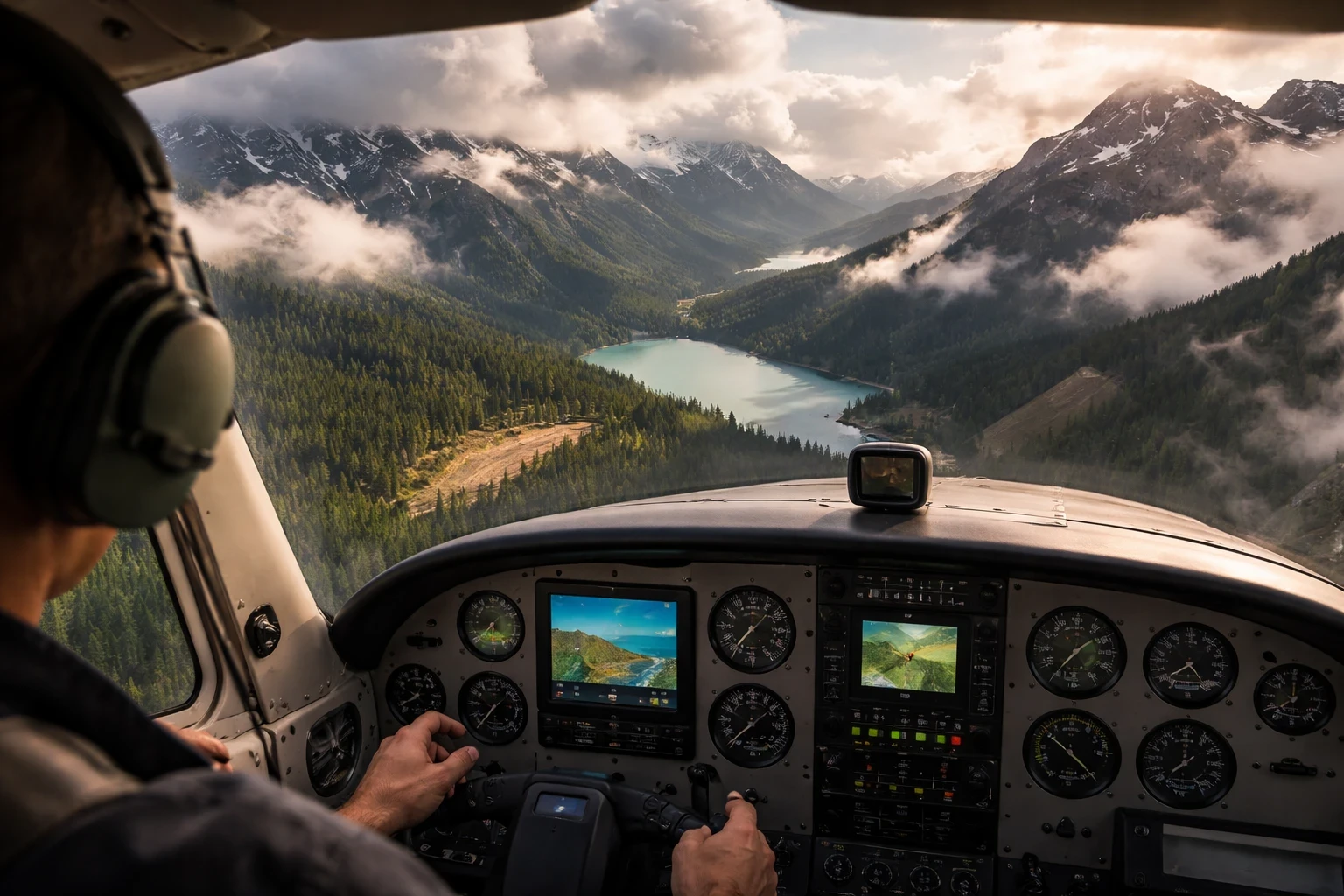
Fuel planning takes on a whole new level of importance when tackling flights over remote wilderness areas. Extended ranges mean you’ve got to think ahead—way ahead. It comes down to knowing your aircraft’s fuel limits and planning for every possible scenario. The FAA fuel requirement rule (14 CFR § 91.167) explains how much fuel you must carry to safely complete a flight and maintain reserves, helping you understand performance and reserve expectations. It’s a mix of simple math and solid judgment to make sure you’re not running on fumes when alternatives are few and far between.
In wilderness flying, you don’t have the luxury of multiple diversion options like you might over urban or populated areas. You need to calculate reserve fuel margins realistically, allowing not just for arrival at your primary destination but including extra for potential diversions. The key is having enough fuel to get safely to an alternate landing spot or even return to the original departure point, if necessary. Let’s say you encounter unexpected weather changes or sudden wind shifts, having a fuel reserve can mean the difference between a nail-biting return trip or a smooth glide back.
Conservatism in fuel planning isn’t about overpacking but being prepared for those ‘what if’ moments in the sky. It’s like having a trusty backup plan—ensuring every flight decision leans on the side of caution. The more unpredictable the environment, the more critical this becomes. When you’re out in the sticks with no alternates nearby, being proactive in decision-making can save the day.
Incorporate pre-flight fuel calculations into your routine. Before rolling down that runway, confirm your planned fuel needs against actual onboard levels. Frequent cross-checking during extended flights can save hassle and uncertainty later. Load enough but not too much—keeping an eye on weight balance is important too. With weight managed, your aircraft will perform as expected, especially in remote strips where every pound can affect performance.
Navigating Challenging Terrain and Elevation
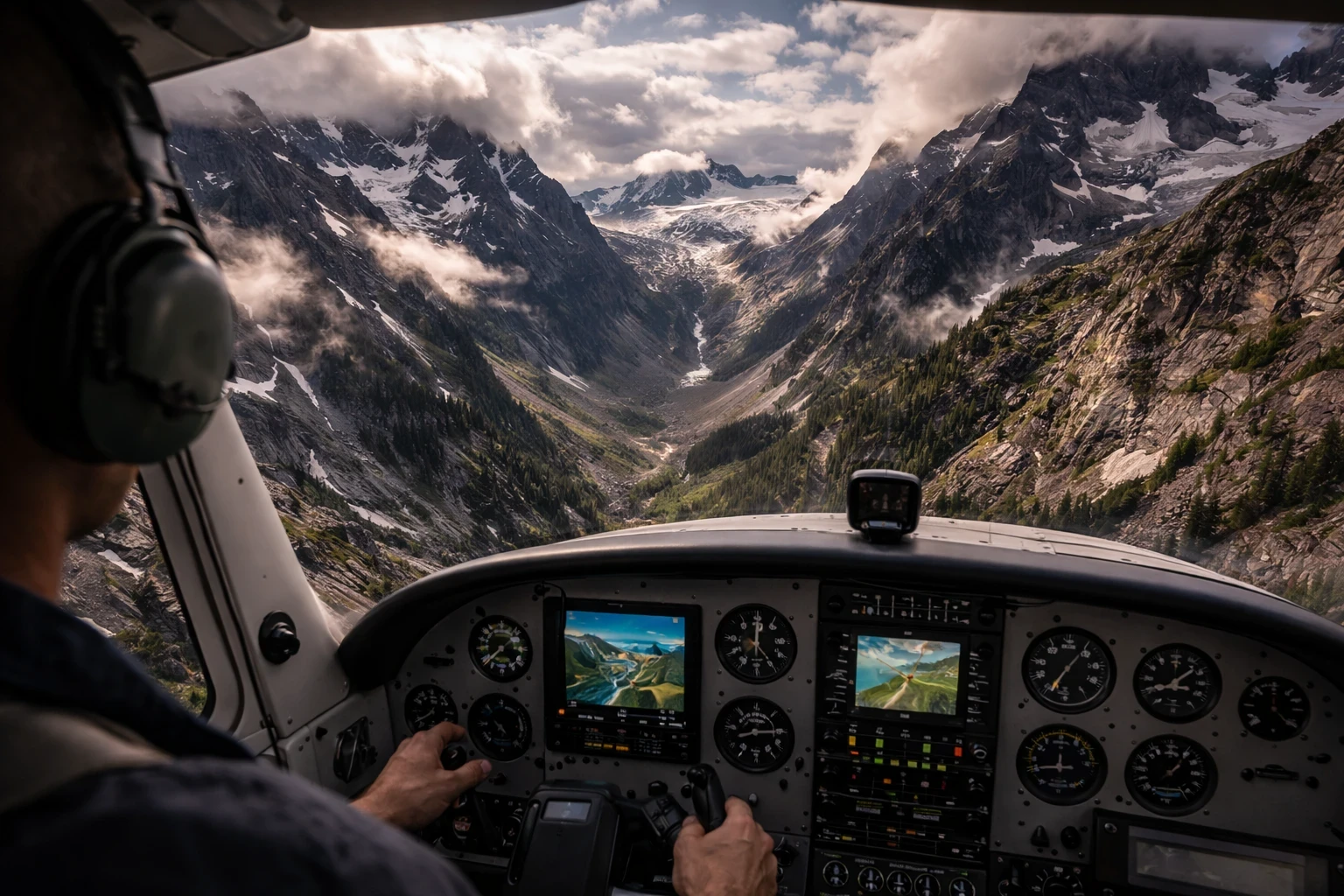
Flying over rugged landscapes calls for sharp terrain awareness. Keeping track of rising ground, shifting contours, and rapidly changing topography helps you maintain safe altitudes and avoid unpleasant surprises. Skybrary provides excellent insight into terrain awareness and mountain flying techniques. Mountain weather can transform your route in minutes, so staying alert to how terrain and conditions interact becomes part of the experience.
Terrain-induced turbulence is another factor to deal with. That choppy ride isn’t just uncomfortable, but it can quickly lead to disorientation if you’re not prepared. At higher altitudes, factors like wind direction and speed changes become more pronounced around peaks and ridges. Approaching mountains with slower speeds can help maintain control and improve your situational awareness.
Elevation changes are real game changers. They require precise altitude management. Welcome to the beauty of dynamic elevation flight! Understanding how pressure altitudes affect aircraft performance makes all the difference here, especially when combined with changing weather.
Never underestimate the value of comprehensive map study before take-off. This gives you the confidence to handle whatever the terrain throws your way.
Mastering Operations in High-Density Altitudes
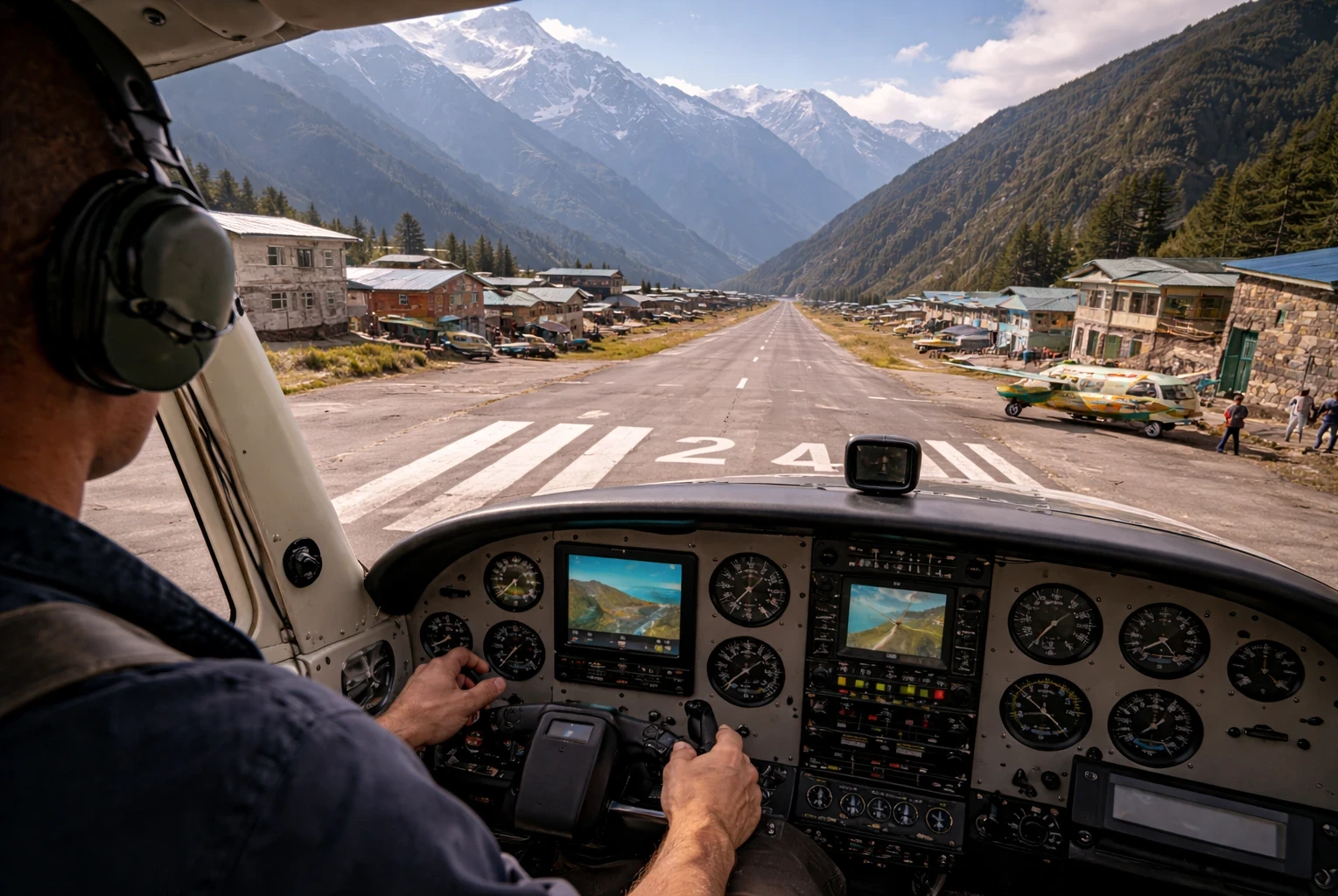
When flying in remote areas, high-density altitude conditions can throw a wrench into even the best-planned flights. Heat and elevation thin the air, reducing your aircraft’s performance in ways you can feel immediately. Longer takeoff rolls, slower climbs, and heavier handling are all part of the package, so adjusting for these conditions becomes essential for safe operations. Weather and temperature forecasting tools like the NOAA Aviation Weather Center can help you anticipate density altitude impacts.
Expect longer runways when taking off or landing as reduced air density affects lift. Keep in mind that high temperatures can mimic the effects of higher altitudes, further impacting performance. Weighing your aircraft correctly becomes crucial, as added weight means more trouble in these conditions.
Load your plane carefully and consider optimizing your weight to ensure you don’t exceed safe limits. A well-loaded plane will allow you better maneuverability and may provide you that critical edge necessary for a safe takeoff from high-elevation strips.
Honestly, it’s all about preparation. Before you even head out, check weather forecasts and plan for temperature shifts impacting density at your destination. Sometimes, managing these risks is simply about being informed and prepared to handle whatever’s thrown your way.
Techniques for Handling Short and Unimproved Runways
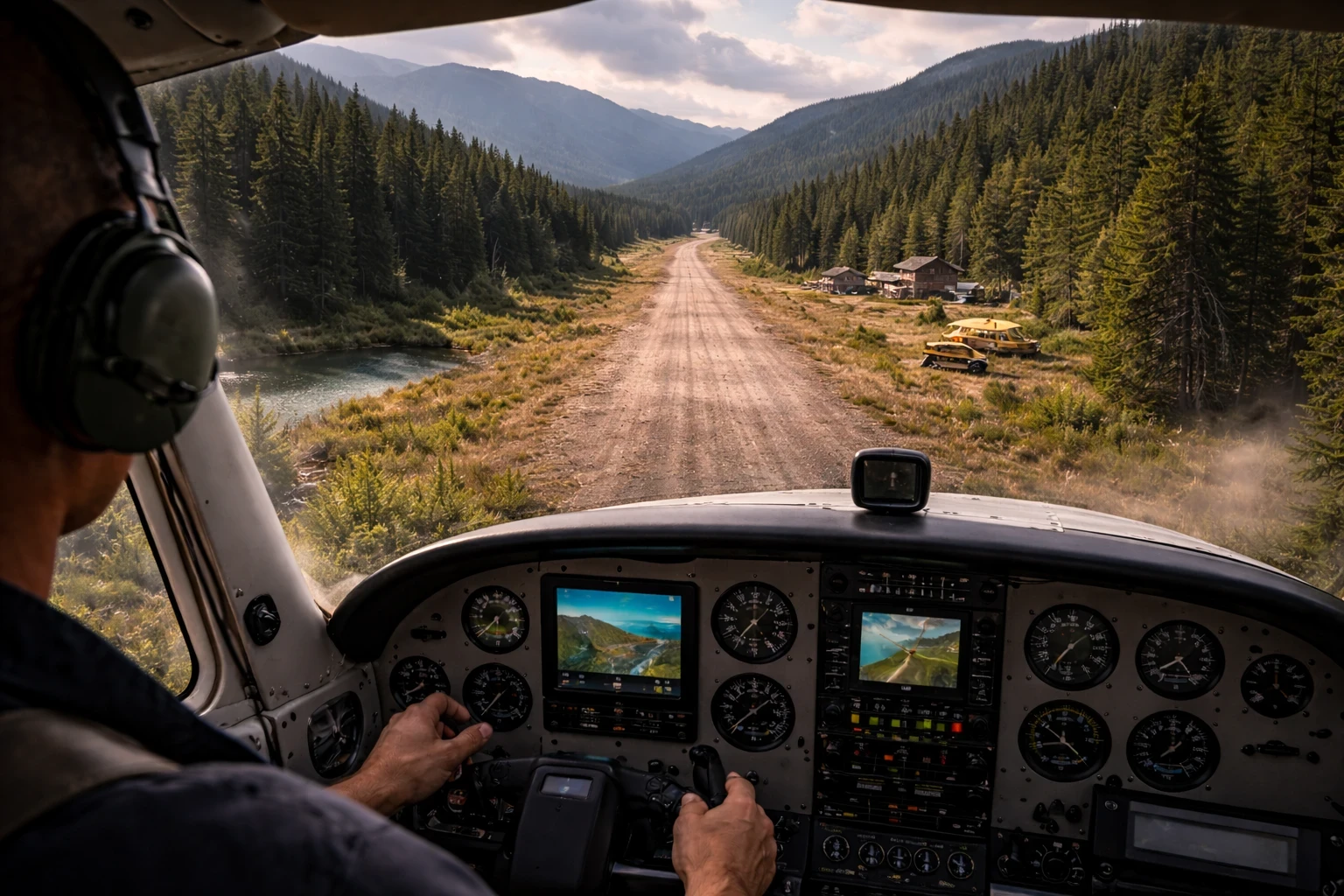
Flying into the wilderness often means landing on airstrips that are a far cry from the smooth tarmac of major airports. Gravel, dirt, and sloped runways are part and parcel of the bush flying experience, requiring specific techniques to handle them safely.
Short Takeoff and Landing (STOL) techniques become your best friend here. To get off a short runway, you’ll want to make use of optimized flap settings and understand the performance characteristics of your aircraft cold. Keeping your approach speed in check is key—too fast, and you’ll overshoot; too slow, and you’re risking a stall. For more landing technique fundamentals, you can read Improving Your Landings.
Runway surface plays a significant role in how you execute your landing. Gravel can kick up debris and damage propellers, while sloped surfaces require extra care to control descent and touchdown angles to avoid unwanted bounces. Being aware of these factors helps you adjust flaps and speed accordingly.
Before making your approach, conduct an aerial inspection of the strip if conditions allow. This helps identify any potential obstacles or damage that could affect landing. Strong crosswinds are another challenge on unimproved strips, so fine-tuning your crosswind landing techniques is essential.
Practice makes perfect, especially in unpredictable fields. Regular simulator sessions focusing on STOL skills and runway evaluations can sharpen your abilities, making real-world wilderness landings far less daunting.
Navigating the Skies with Minimal Aids
Venturing into the wilderness often means leaving the comfort of modern navigational aids behind. Here, traditional skills like dead reckoning and VFR navigation become your best tools. GPS isn’t always reliable in low-infrastructure regions, so knowing how to navigate using landmarks, headings, and pre-planned routes gives you the confidence to stay oriented even when technology takes a break. If you’d like to strengthen your foundational navigation skills further, you can explore Precision Navigation: Mastering VOR and NDB.
Relying heavily on GPS can be risky in low-infrastructure environments. Systems can fail or lose coverage, so understanding the basics of navigation without them is crucial. Staying oriented visually by familiarizing yourself with prominent landmarks or natural features is a practice that’s as old as aviation itself, and it still holds up. Map planning before heading out and marking critical waypoints can bolster your confidence and navigation accuracy.
Prepare for GPS limitations by refining your path-finding skills with maps, compasses, and visual checkpoints. Enhance your situational awareness by constantly cross-checking your position using multiple sources, rather than relying on a single electronic signal.
The unpredictability of remote environments and potential for minimal infrastructure make learning and practicing traditional navigation techniques more than just an advantage—it’s a necessity. When refining these skills, practicing in simulator conditions that mirror real-world scenarios can make a difference in honing your expertise.
✈️ Bringing Your Wilderness Flying Skills Together
Flying over remote wilderness regions pushes every part of your piloting skillset—from fuel planning and terrain awareness to density altitude operations and old-school navigation. These environments demand patience, good judgment, and a solid grasp of aircraft performance. The more you explore these remote scenarios, the more you build confidence and adaptability that carry over into every type of flying you do.
If you want to take your preparedness even further, especially when dealing with unpredictable environments, you can explore our Emergency Procedures – Advanced Guide here.
Choose your next remote route, load up your simulator, and keep expanding the skills that make every wilderness flight both challenging and incredibly rewarding.