
Last updated on February 25th, 2026 at 09:03 am
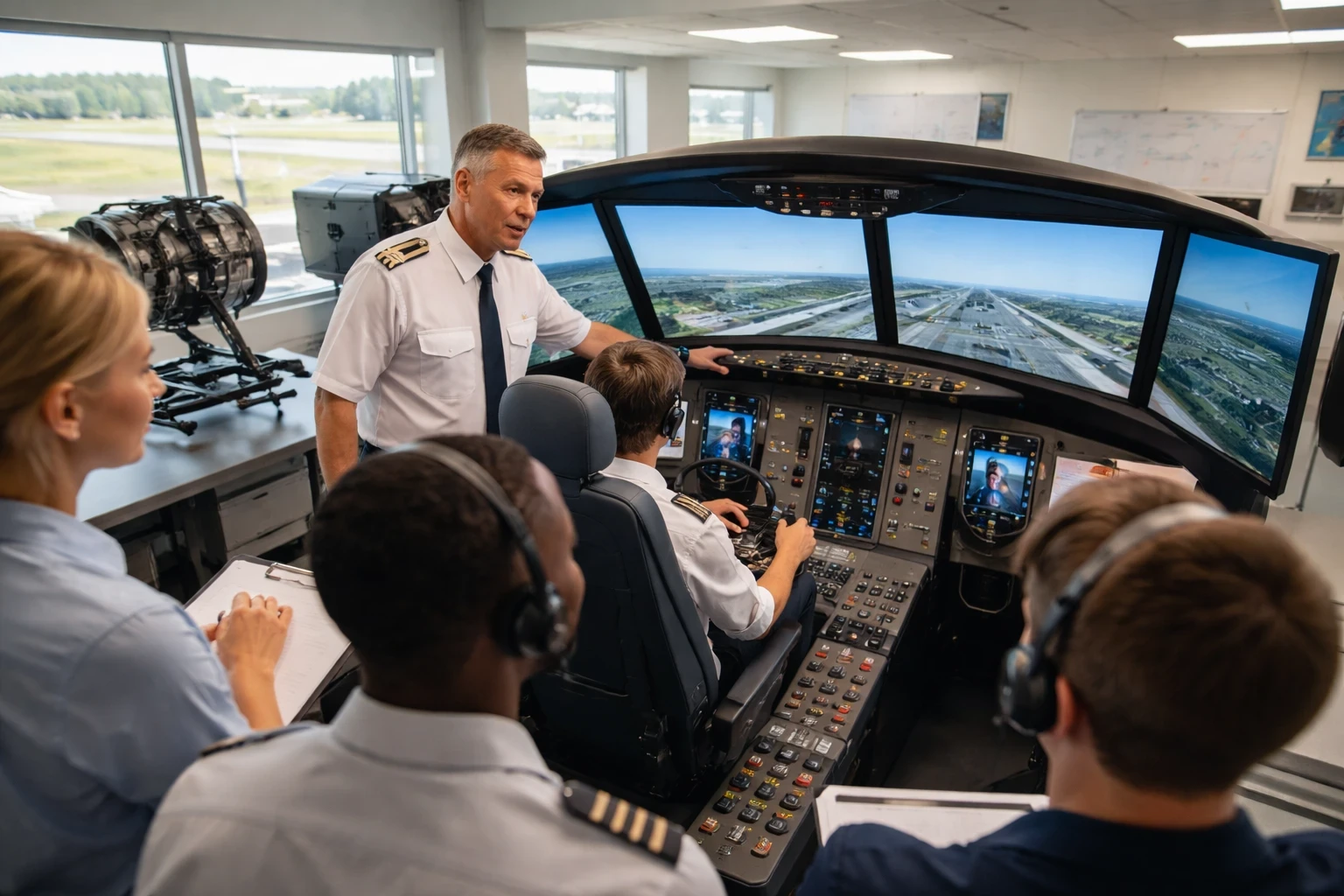
In the dynamic landscape of university aviation programs, striking the perfect balance between academic theory and practical flight skills is a top priority. It’s crucial to ensure that the integration of flight simulators aligns seamlessly with the program’s educational goals. This alignment not only maximizes the educational value but also enhances the practicality for aspiring pilots. Learn how realistic flight simulators enhance pilot training, bridging the gap between theory and hands-on application.
Every aviation program brings its own set of goals to the table, and flight simulators can support both sides of the learning equation. The academic side might dig into topics like aerodynamics, regulations, or systems theory, while the hands-on training builds real-time decision-making and in-flight skill. Once those objectives are clearly outlined, it’s much easier to plug simulators into the right spots — helping students absorb theory and apply it in a way that sticks. For beginners, understanding the basics of aerodynamics in simulators can strengthen both classroom and cockpit learning.
Strategies for aligning simulator use with university programs vary. Pilot instructors and academic leaders should collaborate to map out where simulators fit into the curriculum. This could involve designing specific modules that are purely theoretical with sim support, or crafting sessions that mimic real-world scenarios, helping students build critical problem-solving skills. According to ICAO training guidance, integrating scenario-based learning strengthens decision-making under pressure.
Continuous evaluation is key. By routinely assessing how well simulators contribute to learning goals, universities can adjust and refine their approach. This ongoing process ensures that simulators remain an effective, relevant, and valued component in student training. Instructors can leverage performance data tools like those outlined by the FAA’s National Simulator Program to maintain standards and consistency.
In this way, simulators truly bridge the gap between classroom theory and flight deck reality. They become indispensable tools, shaping well-rounded pilots ready to face the skies with confidence and competence. Read more about building confidence through virtual takeoffs and landings.
Leveraging Certified Simulators for Enhanced Training
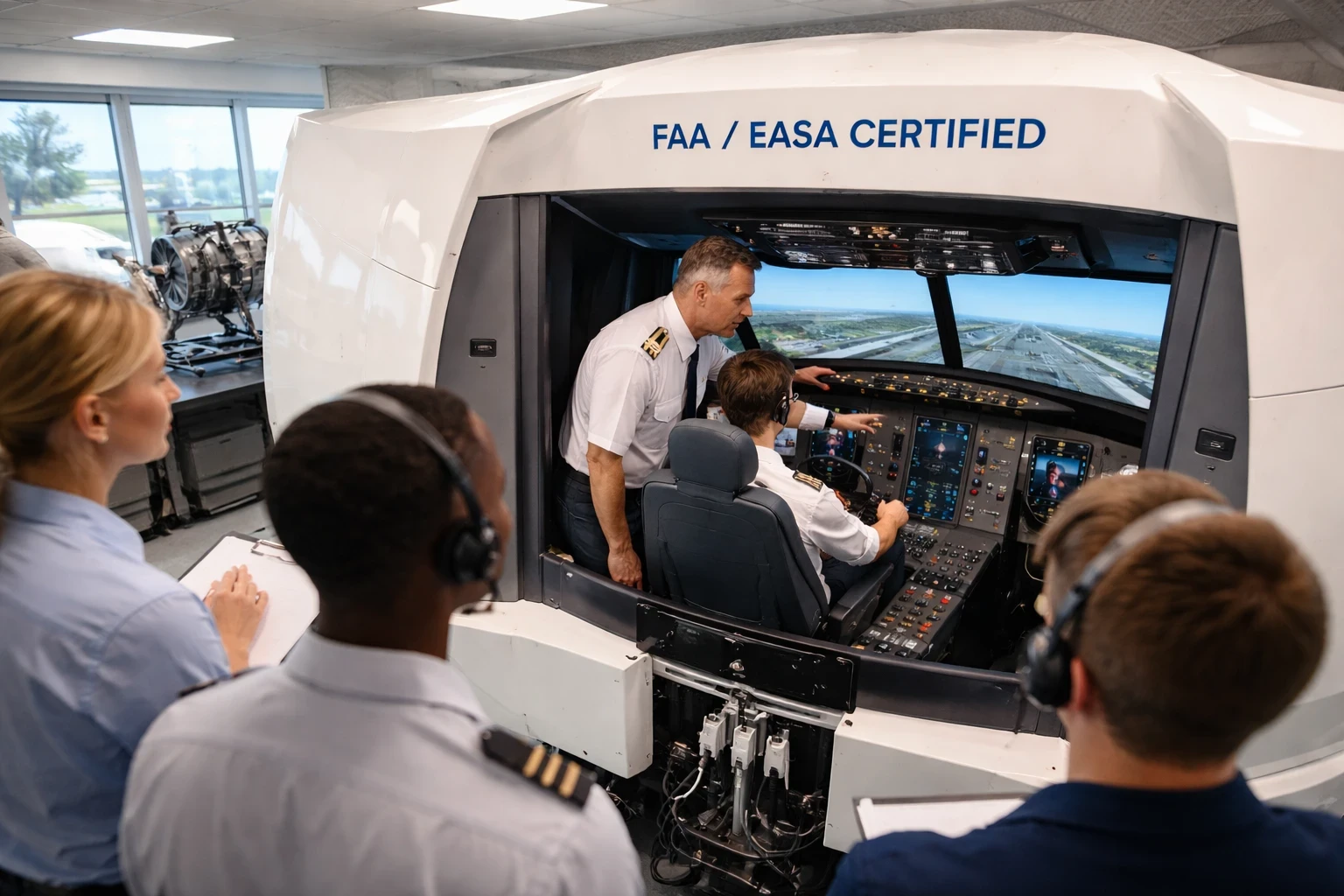
Universities venturing into the realm of pilot training can’t afford to overlook the significance of using certified simulators approved by regulatory bodies like the FAA and EASA. Explore how FAA Part 60 standards determine simulator qualifications for use in training environments.These certifications guarantee that the equipment meets strict safety and performance standards, mirroring real-flight conditions with high precision.
Choosing FAA/EASA-approved simulators sets a cornerstone for credibility in aviation education. By aligning with industry standards, students receive training experiences that closely resemble what they’ll encounter in commercial flight operations. This approach better prepares them for the nuances of real-world flying, infusing confidence and skill.
Understanding the layers of simulator technology helps create tailored training pathways. From basic desktop setups to advanced full-motion simulators, each level offers distinct advantages for different stages of learning. Beginners might start with foundational skills on desktop models, while advanced students benefit from full-motion simulators’ complex scenarios.
Having a range of simulator types means instructors can fine-tune the experience as students move through different phases of learning. It’s not just about stick and rudder skills either — simulators are great for building communication and teamwork under pressure, just like what you’d face in a real cockpit. That kind of realism adds serious value beyond technical checklists.
Adopting a strategic outlook in selecting and deploying these simulators can transform an aviation program, elevating it from basic training to immersive, industry-ready education. It’s about creating a progressive education model where theoretical knowledge and practical experience coalesce seamlessly, setting students on a direct path to success in their aviation careers.
Maximizing Features and Structuring Evaluations in Simulation Sessions
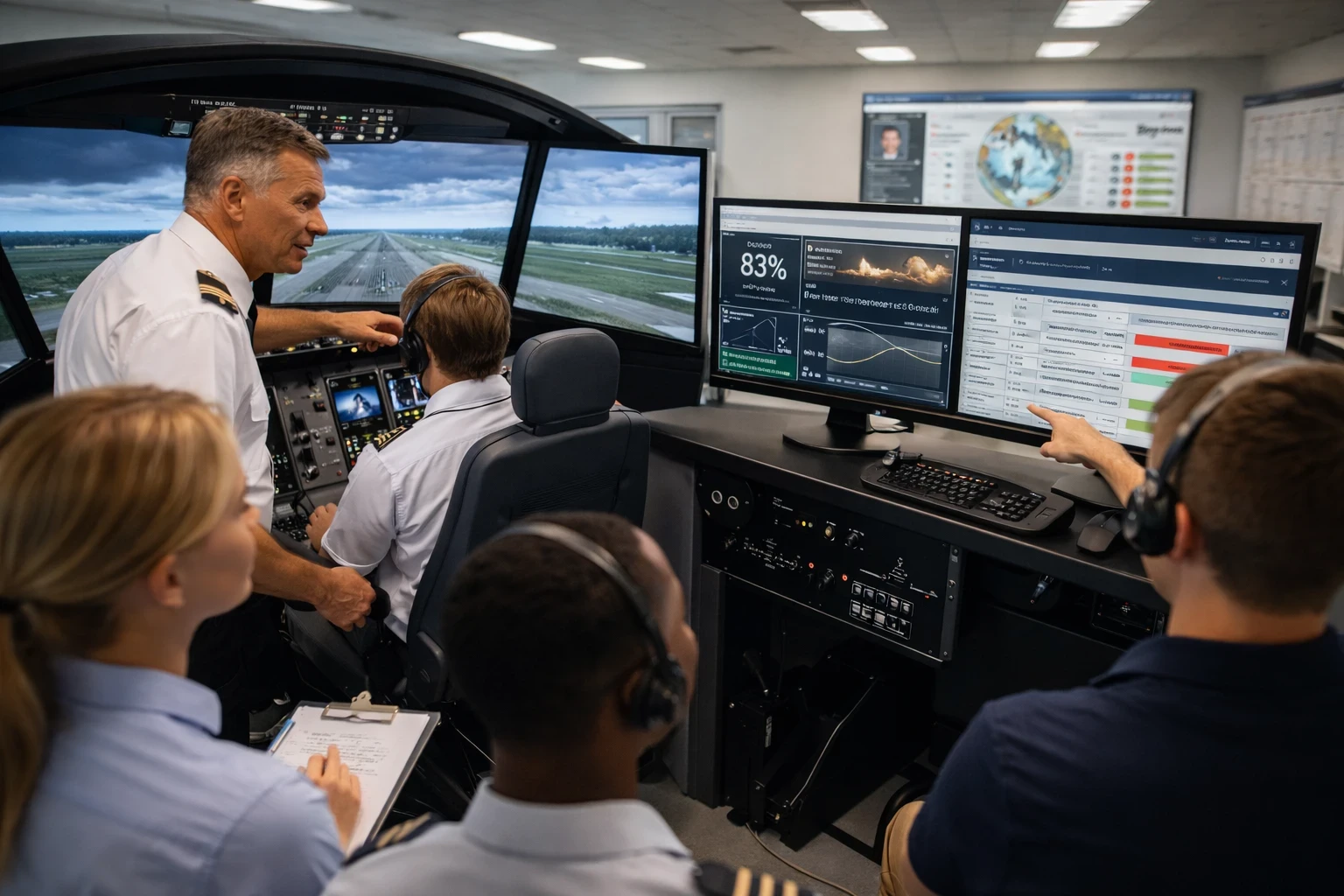
Advanced simulators, with their cutting-edge features like real-time weather updates and virtual air traffic control (ATC), offer unparalleled opportunities to boost the realism of training sessions. Check out our guide on implementing ATC communication for dashboard realism to enhance student immersion. These features simulate the chaos and variability of actual flight conditions, providing students with a realistic platform to test their skills.
Designing structured evaluations within simulation sessions is crucial. Evaluating students isn’t just about checking off boxes; it’s about understanding how they perform under pressure and adapt to unexpected changes. By integrating these evaluations, instructors can provide detailed feedback, pinpointing areas where students excel or where they might need additional focus.
Incorporating Learning Management Systems (LMS) can streamline the management of these evaluations. By merging LMS with simulators, instructors can access data-driven insights into student performance, helping to track progress over time. This integration benefits students as it offers them an ongoing, personalized development plan, ensuring they are always on track.
Students can benefit from debriefs that utilize simulator-generated data. This detailed feedback not only highlights strengths and weaknesses but also supports students in setting actionable goals for improvement. It’s about turning raw performance data into a guiding light for future training.
Ultimately, this blend of high-tech simulation and thoughtful evaluation ensures students advance through training with a deep understanding of their own capabilities. It prepares them not only for exams but for real-world applications where the stakes are much higher.
Ensuring Qualified Instructors and Aviation Pathway Program Integration
Simulators are fantastic tools, but their effectiveness hinges on the skills and experience of the instructors using them. It’s vital to have instructors who not only meet industry credentials but also understand how to seamlessly integrate simulator technology into their teaching methods. An instructor with hands-on flight experience and strong simulation training can significantly impact student success.
Properly credentialed instructors can confidently guide students through complex scenarios, offering insights that go beyond what textbooks provide. Their expertise helps students bridge the gap between theory and practice, allowing for a richer learning experience. It’s about teaching students to think like pilots, even before they strap into an actual cockpit.
Integrating simulators into airline pathway programs can streamline student transitions from academic learning to real-world flying. By working closely with airlines, universities can tailor their simulator experiences to meet specific airline requirements. For an industry‑ready education, see how the Southwest Airlines Destination 225° University pathway eases the path to becoming a First Officer by combining degree progress and guided flight trainingThis close collaboration can lead to direct job placement opportunities for students, making the transition from student pilot to professional aviator smoother and more efficient. We’ve also covered how military aviators transition into civilian aviation careers, including using simulator training to adapt military experience for commercial flight roles.
By designing simulator sessions around actual airline procedures, universities can give students a leg up before they even graduate. It’s not just about earning a diploma — it’s about walking out the door with skills that line up with what employers are already looking for. That kind of tailored training makes the transition from classroom to cockpit a whole lot smoother.
Building solid pathways with industry partners not only elevates the university’s reputation but also provides students with tangible opportunities to advance their careers. Simulators, when used effectively, can serve as a cornerstone for these partnerships, enhancing training programs and ensuring graduates are well-prepared for the challenges of the aviation industry.
Exploring Simulators as Research and Development Tools
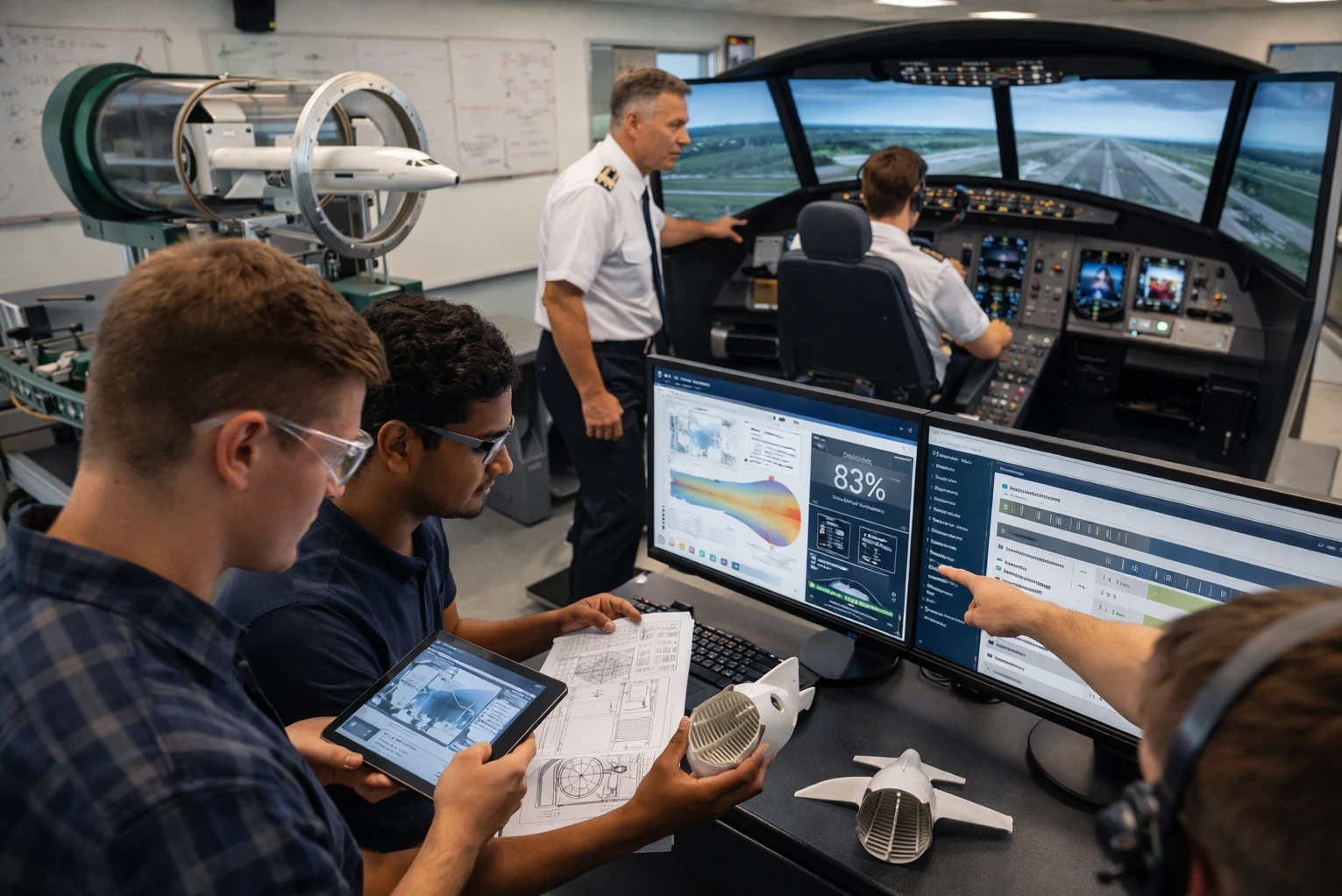
Flight simulators aren’t just about training; they also have a critical role in research and testing within aviation programs. This dual functionality can add significant value to a university’s aviation research capabilities.
On the research front, simulators can be critical tools in studying human factors and aviation psychology. For instance, researchers can observe how pilots respond to stress and fatigue, testing different scenarios without any actual risk. This kind of data is invaluable for improving pilot training and safety protocols.
In addition to psychology, simulators allow for thorough testing of new systems and technologies. Universities can partner with tech developers to test cutting-edge equipment in a controlled environment, providing insights that could lead to innovations in aircraft design or avionics. For example, SimScale’s CFD simulator platform helps students and researchers model airflow and performance virtually, bringing computational fluid dynamics into aviation research.students a firsthand look at the R&D process, potentially inspiring future career paths in aviation technology.
Simulators aren’t just for aviation students — they open doors for cross-campus collaboration too. Imagine engineering students teaming up with flight departments to test out new designs or aerodynamic concepts, all without leaving the ground. It’s a creative space where real innovation can happen, bridging gaps between disciplines and pushing research in exciting directions. You can also look at NASA’s flight simulation research projects, which explore advanced training scenarios and human‑machine interaction to improve real‑world flight safety and training design.
Ultimately, when utilized as a research and development hub, simulators extend their range of benefits exponentially. They offer a vibrant platform for academic innovation, influencing not only aviation students but also contributing to broader industry advancements.
✈️ Shaping Tomorrow’s Pilots Today
As aviation programs evolve, flight simulators have become more than just training aids — they’re essential bridges between academic theory and real-world performance. From classroom integration to industry-standard certification, simulators offer flexible, scalable solutions that meet the needs of both students and instructors. When used with intention, they don’t just support learning — they transform it.
Whether it’s about aligning with airline standards, tailoring evaluations, or fostering research breakthroughs, universities that strategically leverage flight simulation are setting students up for more than just a license — they’re setting them up for long-term success in aviation careers.
🎓 Take Your Aviation Program to New Heights
If you’re developing or refining a university flight training curriculum, now’s the time to explore resources that can elevate your approach:
- Discover Signature Flight Events: A Yearly Calendar to connect students with real-world networking opportunities.
- Learn how to Start a Flight Sim Blog or Vlog and help students build portfolios that showcase their skills.
- Explore Competitions and Challenges: Flight Simulators Edition to add motivation and teamwork into your sim-based modules.
💡 Whether you’re building academic modules, exploring new tech, or strengthening industry partnerships, simulators are your launchpad — and you’re in full control of the throttle.