
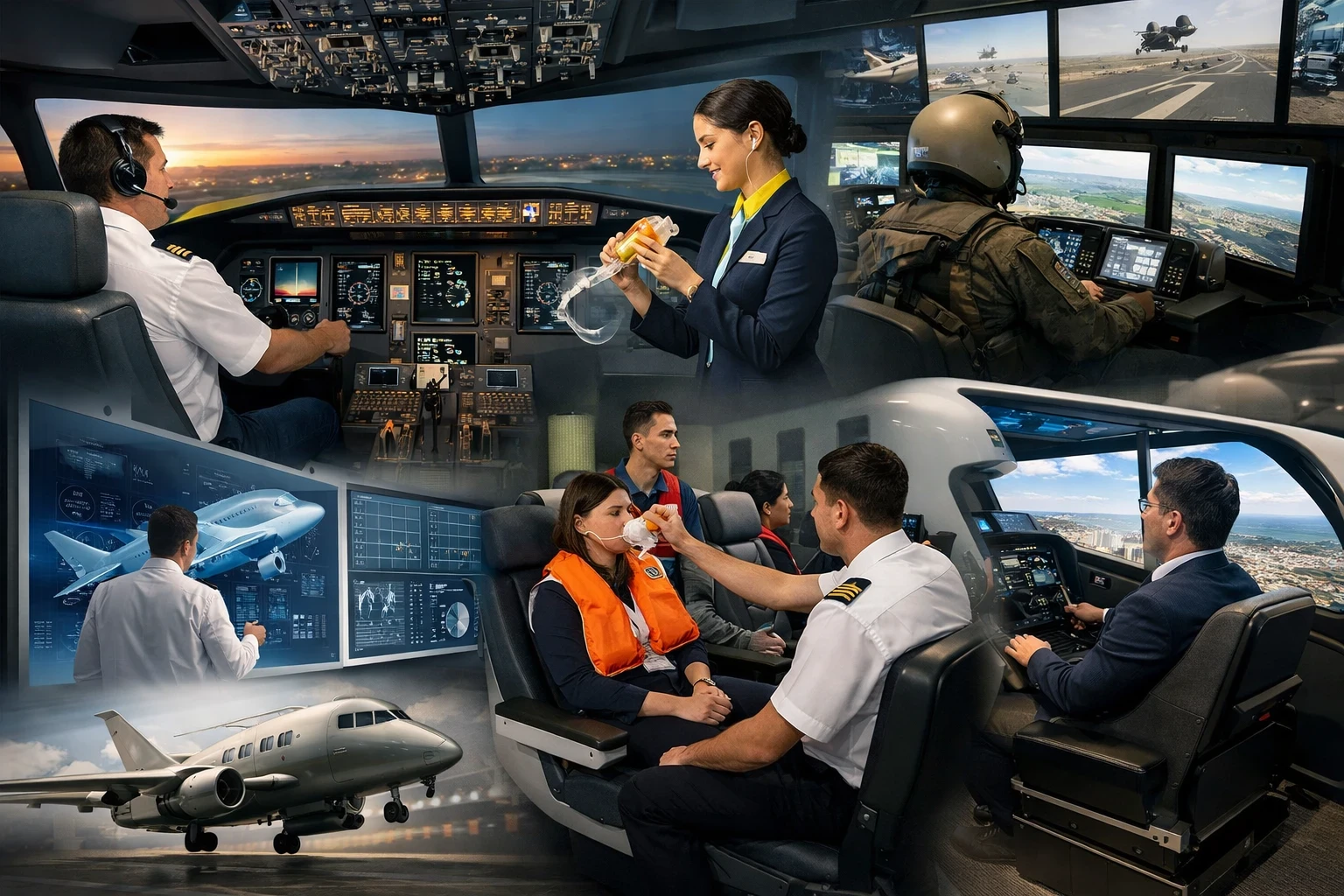
Flight simulators started out as a way to train pilots without leaving the ground. These early tools were kinda clunky, but times have changed big time. What once was a cockpit on the ground with nothing more than spare parts and imagination has become a powerhouse of technology. Nowadays, simulators are essential in both military and airline settings, helping pilots ace their skills before they even take off.
The military was quick on the uptake, recognizing the potential in these machines. The earliest simulators were put to work for training fighter and transport pilots, paving the way for today’s advanced systems. The airline industry also jumped on board, seeing the benefits of training their crew in a safe environment. The rest, as they say, is history.
Fast forward to today, and flight simulators have made their mark in corporate settings, too. They’re not just about training pilots anymore. Businesses are finding all sorts of innovative ways to use them. Imagine preparing your ground staff or even giving your airline execs a taste of the skies without breaking the bank!
Simulators have become the go-to safety net for aviation training. Whether it’s an engine failure or a tricky weather situation, pilots get to rehearse it all in a risk-free space. It’s like a high-stakes rehearsal where you can mess up, learn fast, and try again—without anyone leaving the ground. What started as simple training devices have evolved into complex, multifaceted tools touching nearly every corner of the aviation world.
👉 How Realistic Flight Simulators Enhance Pilot Training offers more on this evolution from risk-free environments to near-authentic in-air experience.
Streamlining Pilot Expertise: Training Programs in Simulators
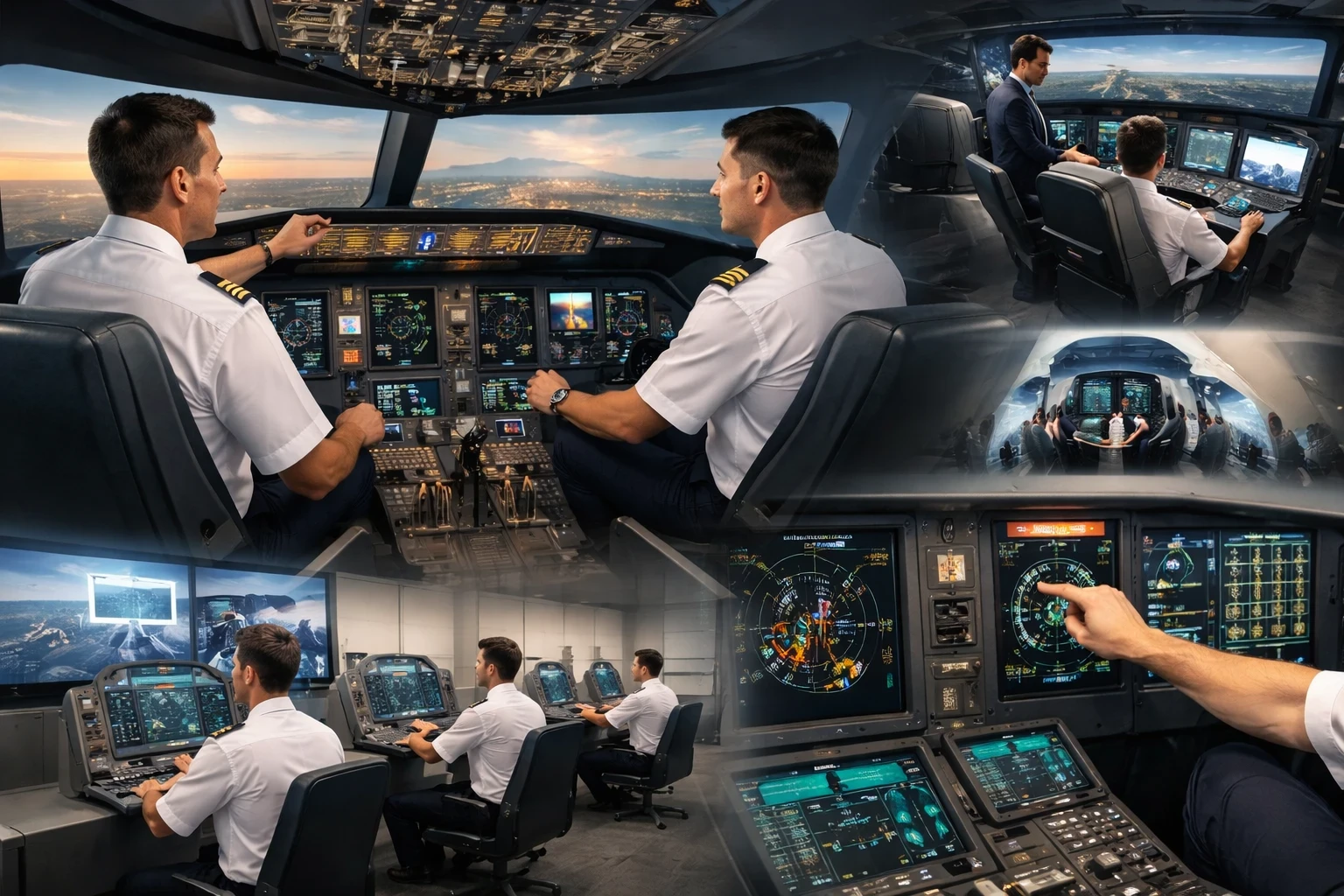
When it comes to pilot training, simulators offer a whole new dimension of learning. Think of them as a virtual playground where skills are honed without the usual flight risks. At the forefront are the high-fidelity full flight simulators, known as Level D simulators. These bad boys are top-of-the-line, providing an experience so real that pilots might forget they’re not actually in the air.
Type rating programs live and breathe simulators these days. Everything from the hum of the engines to the quirks of each switch is recreated in full detail. It’s as close to the real thing as you can get without actually stepping onto the tarmac. The beauty of it? Pilots practice everything from routine take-offs to complex emergent landings, ensuring they can handle any curveball thrown their way.
In addition to pilots, cabin crew and ground staff also get their fair share of simulation action. Specialized simulators put them through their paces, prepping them for safety procedures and passenger management during unexpected events. The lifelike scenarios make sure everyone is cool as a cucumber when things go sideways in real life.
Emergency drills aren’t fun, but they’re necessary. Simulators allow airline crews to practice these essential skills without putting anyone in danger. Fire in the cabin? No sweat when you’ve drilled it time and again in a simulator. It’s about creating a bulletproof team ready to tackle anything with confidence.
These robust training programs ensure pilots and crews are not just ready but razor-sharp and ahead of the game. In an industry where precision is everything, simulators offer a practical, strategic edge. It’s all about safety, efficiency, and building expertise from the ground up.
According to CAE’s Civil Aviation division, over 70% of commercial pilot training now takes place in advanced full-flight simulators before cockpit time.
Beyond Training: Corporate Application of Simulation Technology
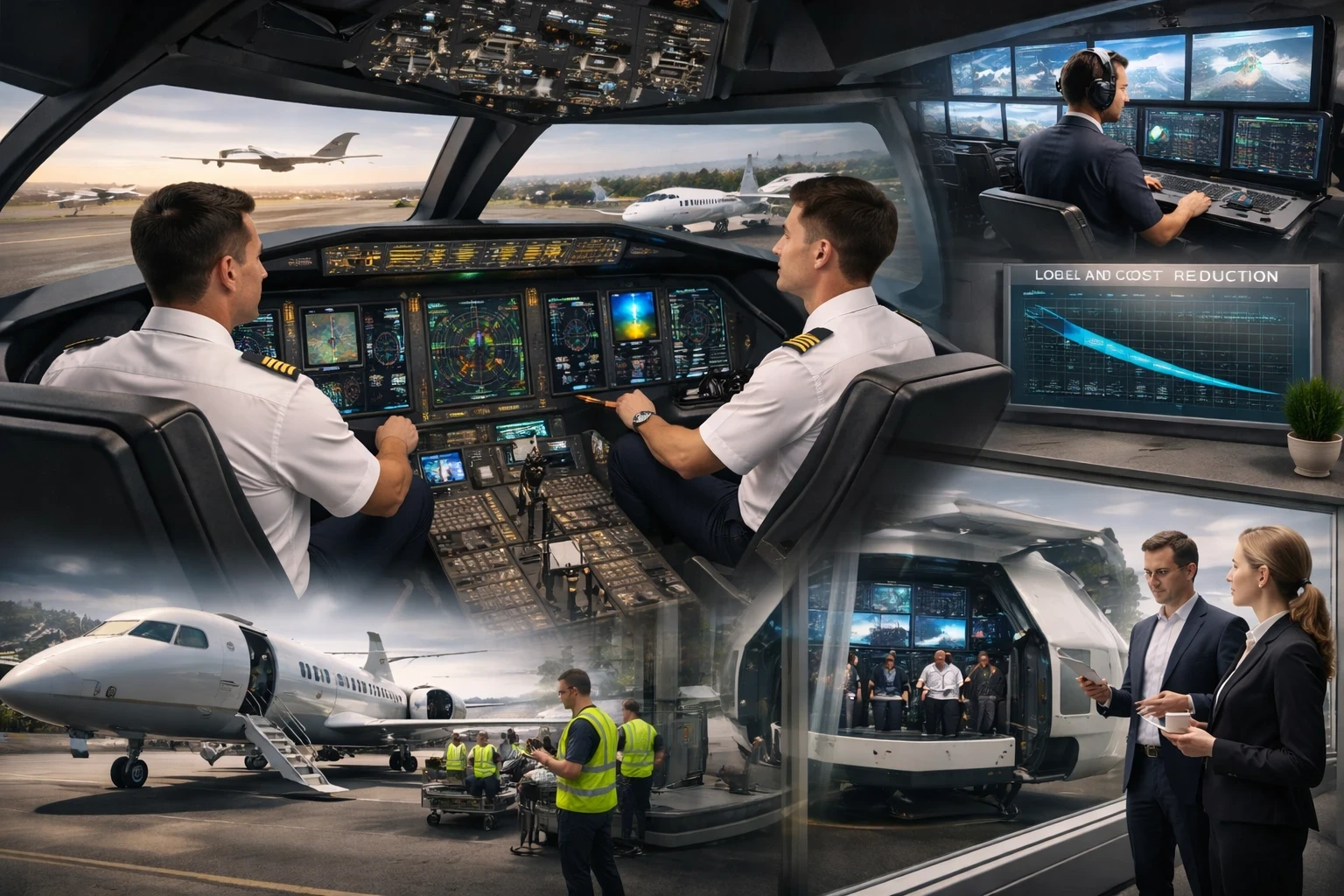
While simulators are a must-have in training, they’ve also found a niche in the corporate world. More and more, businesses are using these devices to fine-tune their private and business jet operations. Imagine a corporate flight department that ensures its pilots are not just trained but excel at what they do.
For companies running private or corporate jets, using simulators becomes a game-changer. Regular sessions help pilots stay sharp, keep on top of their licenses, and adapt to any new procedures or aircraft updates. It’s like a secret weapon to keep the fleet flying smoothly and safely.
💼 Using Flight Simulators for Business Jet Familiarization goes into more detail on how sim training benefits corporate pilots and execs alike.
It’s not just about sharpening skills—simulators are budget-friendly too. Swapping flight hours for sim time means less fuel burned and fewer maintenance bills, which any company running a jet fleet will happily take. Every session in a simulator means less need for actual flight hours, which over time builds up to major savings.
Beyond the obvious financial benefits, simulators minimize risks. Pilots get to practice sticky situations—such as technical failures and tough weather—away from the real plane. This control cuts down on incidents and makes for a safer, more efficient operation across the board.
In the long run, simulators help maintain high standards and boost performance. Keeping pilot skills razor-sharp with frequent practice sessions ensures that corporate flight departments run like a well-oiled machine, ready for any challenge up in the air.
Based on a Forbes Council article, simulation training also helps reduce liability risks and reinforces consistency in safety protocols across corporate flight teams.
Military Precision: Simulators in Defense and Beyond
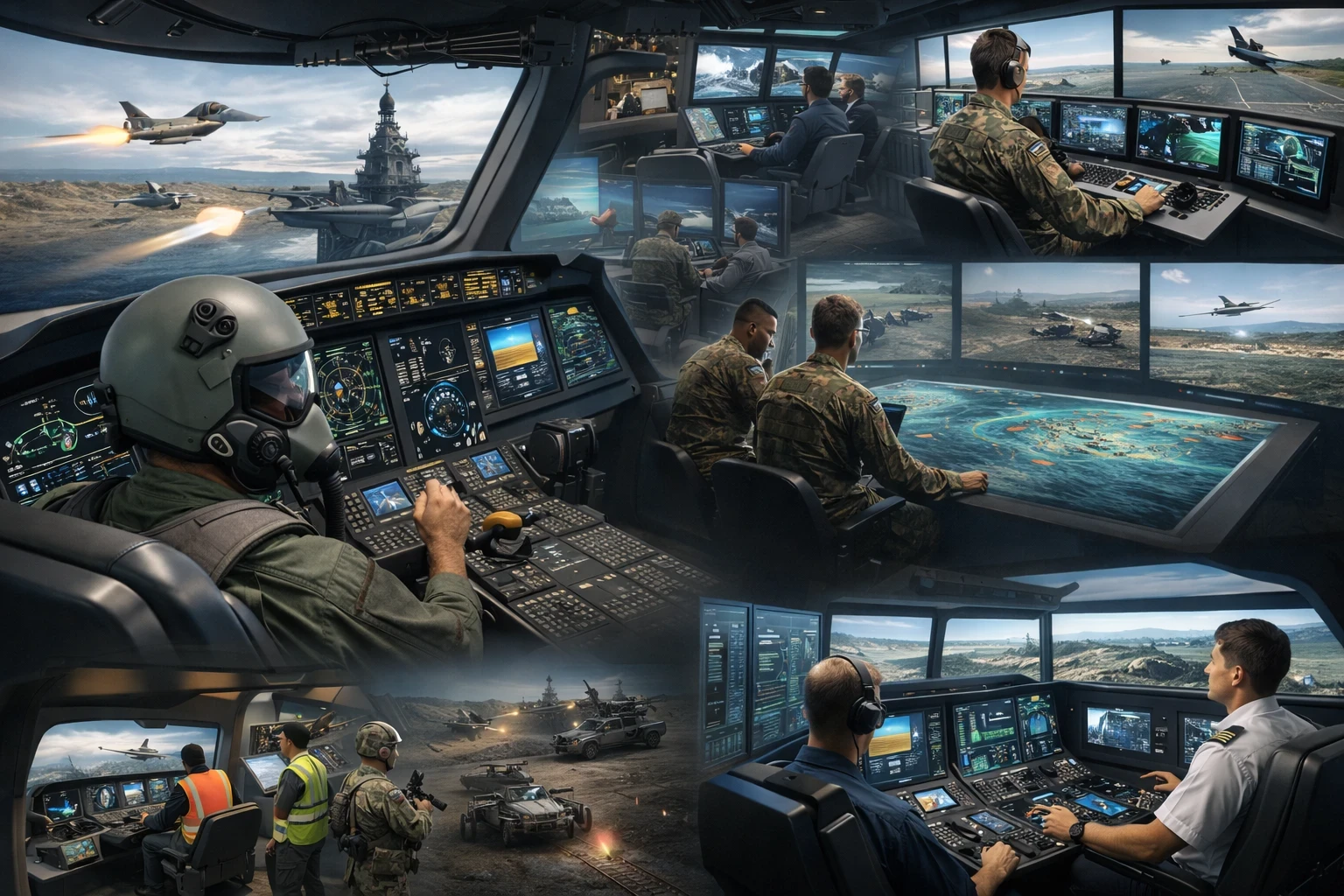
The military’s no stranger to embracing technology, and simulators have long been an essential element in defense training. They work wonders in mission rehearsals, whether it’s for fighter jets, transport aircraft, or even unmanned aerial vehicles (UAVs). By simulating complex missions, personnel prepare for potential threats, learning to react quickly and effectively.
Training with simulators offers military forces a safe, controlled environment to plan and execute operations. Taking on complicated scenarios without live risks allows pilots and UAV operators to test strategies and refine tactics. It’s like having a virtual battlefield to perfect maneuvers and enhance decision-making skills.
But it’s not just about pilot hours—the military uses sim tech to map out full-blown strategies and prepare for complex ops. It’s all about staying sharp and staying ahead.Ground forces use simulators for coordinating joint operations, gaining insights into potential real-world challenges. This blend of training and tech boosts confidence and capability in real missions.
The value of simulators isn’t restricted to aviation, either. Rail, maritime, and even logistics industries have borrowed some military-like simulation tech. Train operators and maritime officers benefit from similar training devices, ensuring safety protocols and operational efficiencies are always top-notch.
Military engagement with simulators strengthens not just individual skills but also team coordination. The process builds trust, understanding, and a unified approach to tackling challenges. This structured and strategic preparation forms the backbone of a modern military force, adaptable and primed for whatever comes next.
According to Lockheed Martin’s Prepar3D platform, simulation plays a critical role in defense aviation, tactical mission rehearsal, and joint-force integration.
Expanding Horizons: Simulation in Aviation Manufacturing and Marketing
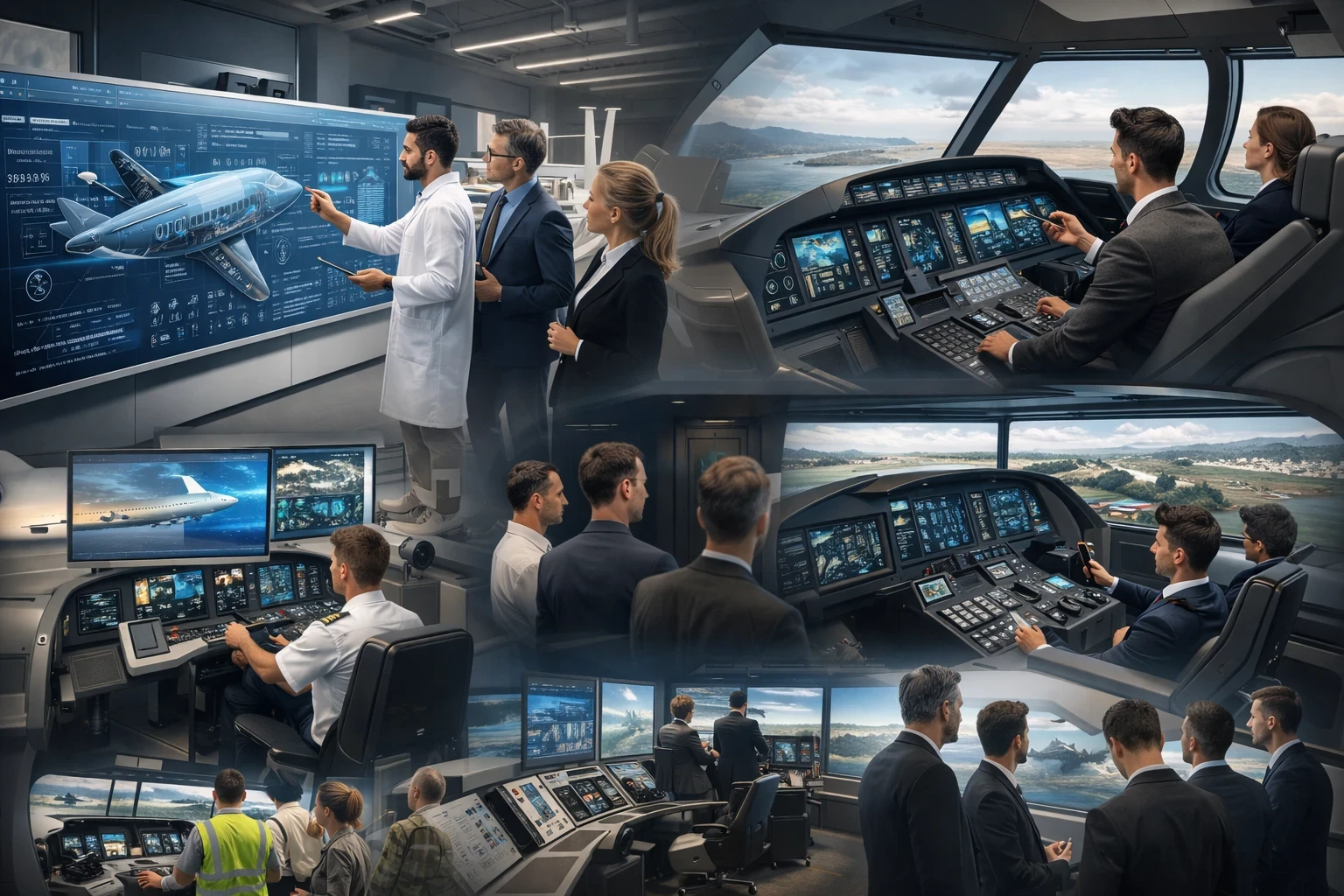
Flight simulators have ventured beyond training rooms and found a place in the design and development of aircraft. For aircraft manufacturers, these simulators are crucial in research and development, helping engineers and designers perfect new models and systems. It’s a high-tech sandbox where ideas become reality, improving everything from aerodynamics to cockpit layout.
In the competitive world of aviation, marketing is all about giving potential clients an experience they can’t refuse. That’s where simulators step in. They’re not just tools for training or designing but also a flashy gadget for marketing. Picture executives being wooed by experiencing the new jet model in a simulator, feeling almost like they’re floating through the skies.
Demo days and client visits turn into memorable events with the use of cutting-edge simulators. This tech-savvy approach gives aviation brands an edge, combining technical prowess with a marketing twist that dazzles customers. It’s not just about selling a plane anymore; it’s about selling an immersive experience.
Simulators are reshaping how business is done across various industries, not just in aviation. The tech behind them finds uses in sectors demanding precision and immersive training environments, from maritime to healthcare. The cross-industry adoption of simulation technology shows its potential is only growing.
🌐 Achieving Ultimate Realism with Custom Equipment explores how simulation has inspired cockpit enhancements for both pros and hobbyists.
What’s next for simulators? Beyond their current capabilities, future uses might include more immersive virtual reality setups, broader integrated systems in smart aircraft design, and even wider applications across different industries. The sky might not even be the limit for what comes next!
According to NASA’s Simulation Technology Division , the next generation of flight sim tech includes AI-assisted systems, virtual co-pilots, and research into human-machine interfaces for future aircraft.
✈️ Looking Ahead: Simulation’s Expanding Role in Aviation and Beyond
From humble beginnings as grounded mockups to today’s cutting-edge virtual environments, flight simulators have transformed how the aviation world trains, plans, and evolves. Whether you’re looking at pilot certification, military preparedness, business jet optimization, or even aircraft design and marketing—simulation technology is no longer optional. It’s essential.
As this tech continues to grow across industries, staying informed is the best way to stay ahead. Whether you’re a corporate decision-maker, a sim enthusiast, or a pilot in training, now’s the time to dive deeper.
👉 Explore more expert insights and practical guides right here on Flight Sim Essentials—where real-world aviation meets the virtual skies.